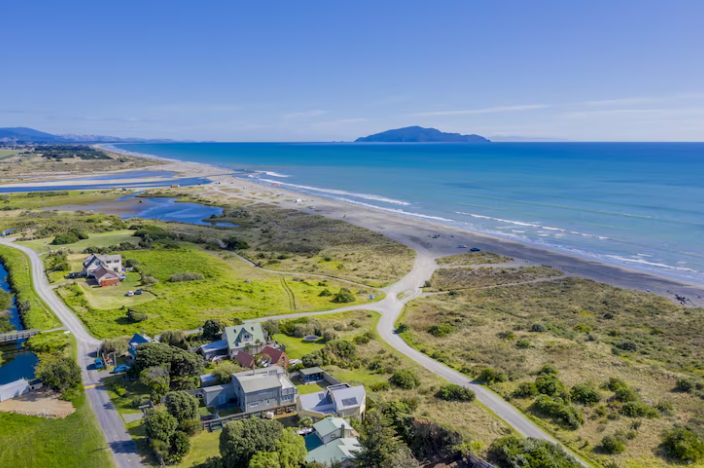
Building a custom home along Florida’s coast offers unmatched opportunities for luxury living, but it also comes with unique challenges. Understanding local conditions, materials, and design regulations is essential to ensure a durable and comfortable home that reflects your vision.
Coastal Florida’s environment can be both beautiful and demanding. High humidity, salty air, and the potential for tropical storms require thoughtful planning. Materials and construction methods must be selected to withstand these elements while maintaining energy efficiency and style.
Working with a custom home builder experienced in coastal projects ensures that every structural and aesthetic decision supports long-term resilience. These professionals understand how local weather patterns impact foundation choices, roofing systems, and outdoor living spaces.
Location is central to building success. Elevation, soil composition, and proximity to the water influence both design and insurance requirements. Before purchasing land, it’s wise to assess flood zones and local building codes relevant to coastal properties.
Some homeowners prioritize panoramic views, while others value privacy or easy access to boating and recreation. A builder familiar with Atlanta luxury homes often brings a refined understanding of high-end design that transitions well to Florida’s coastal lifestyle.
Energy efficiency is especially important in warm, humid climates. Smart design choices help reduce cooling costs and protect interior spaces from moisture. Consider window placement, insulation types, and ventilation systems that promote airflow and temperature control.
Use impact-resistant windows and doors for safety and energy savings.
Choose durable finishes such as stone, treated wood, or composite materials.
Incorporate shaded outdoor areas for relaxation and natural cooling.
Florida’s coastal zones are subject to specialized regulations that protect both homeowners and the environment. Permitting can take time, so early coordination with local authorities helps avoid delays. Working with experts who understand floodplain requirements and environmental protections ensures compliance and smooth progress.
Building codes may vary by county or even by neighborhood. A knowledgeable builder will navigate these complexities, ensuring your plans meet or exceed the necessary standards for safety and sustainability.
Coastal construction can be more costly than inland projects due to specialized materials and engineering. Establishing a clear budget early helps manage expectations. Include allowances for site preparation, stormproofing, and potential weather-related delays.
Timelines should remain flexible, particularly during hurricane season. Builders typically schedule around weather risks, balancing progress with safety. Transparent communication between homeowner and builder is key to staying informed throughout the process.
Designing a custom home provides the chance to blend coastal character with personal taste. Many choose light, airy interiors that emphasize natural light and ocean-inspired colors. Outdoor spaces often feature expansive decks, pools, or screened porches that complement the surrounding landscape.
Quality finishes extend beyond aesthetics. Moisture-resistant flooring, marine-grade fixtures, and corrosion-resistant hardware all contribute to lasting performance in a humid climate.
After construction, maintaining a coastal home requires consistent care. Regular inspections of roofing, siding, and sealants help prevent salt and moisture damage. Investing in preventive maintenance preserves both aesthetic appeal and property value.
When designed with foresight and built by experienced professionals, a custom coastal home becomes a lasting retreat that balances durability with refined living. Thoughtful planning at every stage ensures that the final result stands strong against the elements while offering timeless comfort and beauty.
 Supriyo Khan
 Supriyo Khan
 Supriyo Khan
 Supriyo Khan

Want to add a comment?