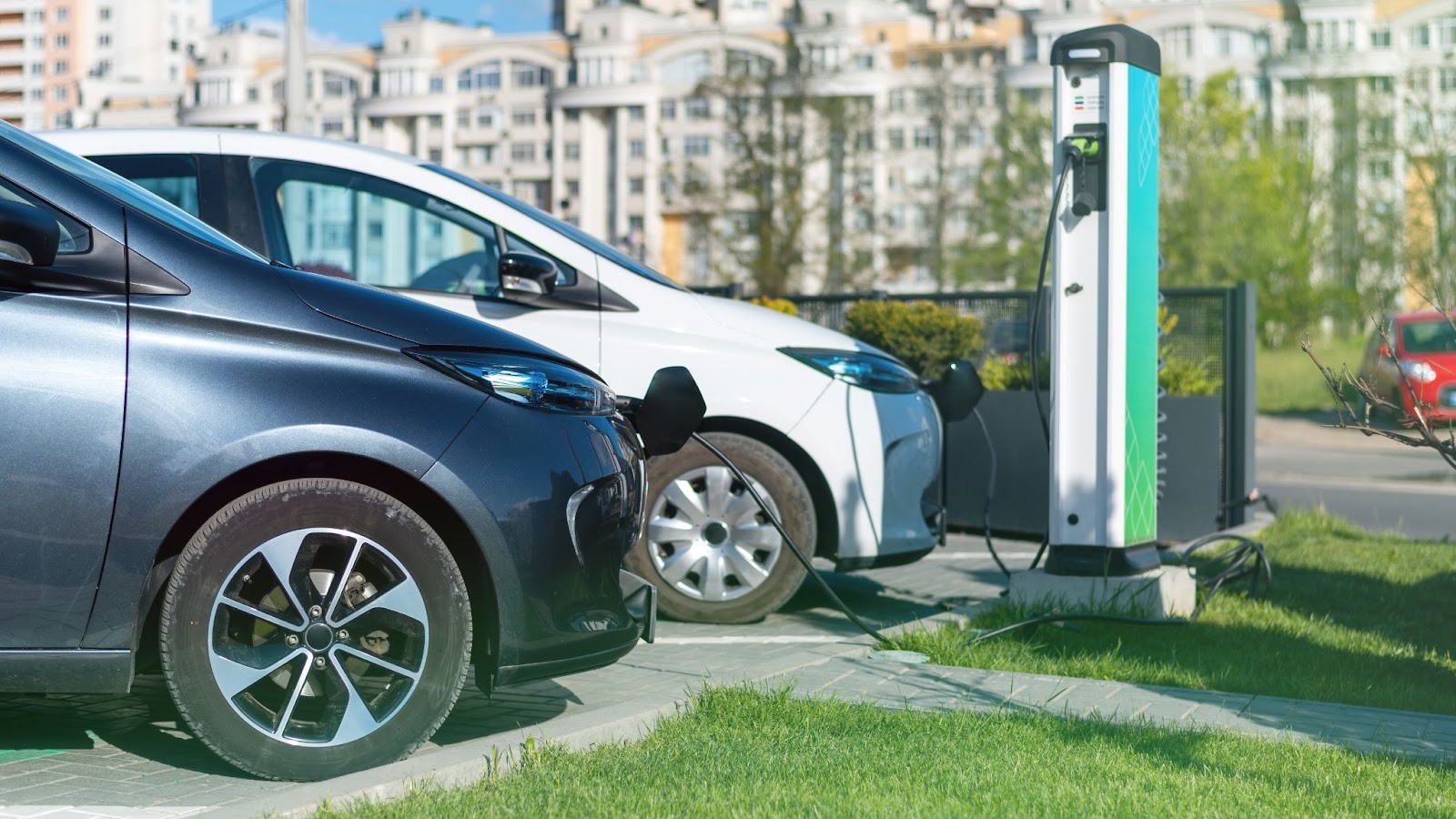
Here's the thing nobody tells you when you're scrolling through used EV listings at midnight: the price on the screen means almost nothing if the battery underneath is quietly coasting on fumes. Before you get swept away by a clean interior or a tempting discount, there's one question worth asking first: what shape is that battery actually in?
And it's not just paranoia. A study analyzing 1,366 vehicles found that eight out of ten of them still held 90% or more of their original battery capacity (techradar.com). That's legitimately good news. But "most are fine" doesn't mean all of them are, and the ones that aren't can cost you dearly.
Understanding used electric vehicles properly means starting where the real value lives: the battery pack.
In a conventional gas vehicle, a worn engine is inconvenient. In an electric vehicle, a degraded battery is a different kind of problem entirely; it's simultaneously the powertrain and the fuel reserve wrapped into one expensive unit.
Battery condition affects your real-world range, your resale value down the road, and frankly, whether you'll enjoy owning the thing at all. Used ev dealers who take their reputation seriously treat battery evaluation as mandatory, not optional, before any vehicle moves off the lot. You should hold every seller to that same expectation.
State of Health (SoH) is the metric that reveals what percentage of the battery's original usable capacity still remains. An 85% SoH on a vehicle originally rated for 250 miles? You're working with roughly 212 miles of real range. For most daily commutes, that's entirely livable.
Here's where plenty of buyers go wrong. A 60,000-mile car that spent its life on gentle Level 2 home charging can genuinely outperform a 40,000-mile example that ran rideshare routes with daily DC fast-charging. Odometer numbers provide context, but they don't tell the whole story. SoH does.
EV battery degradation follows a fairly predictable arc: a modest early drop, then a slower and steadier decline over time. Losing somewhere between 5 and 10% of capacity across the first three to five years? That's standard. That's not a reason to walk away from an otherwise solid car.
Chronic DC fast-charging is the primary charging method. Consistently storing the battery at high charge levels. Extended heat exposure without liquid thermal management. Heavy fleet or rideshare duty. Any combination of these, sustained over time, will push EV battery degradation well beyond normal rates. Knowing a car's usage history helps you read the SoH number accurately, rather than guessing.
Pre-purchase research is valuable, genuinely. But there's no substitute for standing in front of the actual car. Knowing how to check EV battery condition in person separates buyers who get great deals from buyers who get expensive lessons.
Charge the vehicle to 100% State of Charge and look at the displayed range. Then compare it to the EPA-rated original figure. If a car once rated for 240 miles is showing 180 on a full charge, that gap deserves a real conversation, and possibly a lower offer or a hard pass.
For under $30, an OBD-II dongle paired with apps like LeafSpy, Scan My Tesla, or Car Scanner can extract raw SoH data straight from the battery management system. These tools surface numbers that the dashboard alone will never show you. Bring one. Use it. The data you pull is also the most credible leverage you'll have when negotiating.
Early Nissan Leaf models came with air-cooled battery packs, and in warmer climates especially, those packs degraded at a noticeably faster rate than liquid-cooled alternatives. Tesla, the Chevy Bolt, and essentially every modern EV use liquid thermal management, which produces far more predictable and gradual EV battery degradation over time.
Large-sample SoH research consistently points to the Tesla Model 3, Hyundai Kona Electric, and Chevy Bolt as strong performers on capacity retention. Pre-2018 Nissan Leafs, particularly those sold or driven in warm-weather markets, warrant close examination before buying a used EV from that generation.
Most manufacturers back their batteries with an 8-year/100,000-mile warranty, with coverage typically kicking in when capacity drops below 70% of its original. What matters for used buyers is whether that warranty transfers to a second owner.
Some brands require purchase through a franchised program for full transferability, and missing that detail can cost you significantly if something goes wrong post-purchase.
Used electric vehicles genuinely represent strong value when the battery confirms it. Combine SoH data from an affordable DIY tool, a clear understanding of the warranty terms, and direct questions about charging history, and you walk into any negotiation from a position of strength. The battery isn't just part of the car. It IS the car.
Evaluate it accordingly, and buying used goes from a gamble to one of the smarter financial decisions you can make.
1. How much battery loss is typical in a 3–5-year-old EV?
A 5 to 10% capacity reduction is completely normal. Most well-maintained EVs from established brands still deliver solid real-world range and remain dependable daily drivers at that level.
2. Can I check SoH without going through a dealership?
Absolutely. A basic OBD-II dongle with a model-specific app like LeafSpy or Scan My Tesla gives you direct battery data, no dealership visit required.
3. Does using DC fast charging always cause damage?
Occasional use? Minimal impact. The issue is using DC fast charging *chronically* as your primary method, which consistently accelerates degradation relative to regular Level 2 home charging.
 Supriyo Khan
 Supriyo Khan
 Supriyo Khan
 Supriyo Khan

Want to add a comment?