Recovery and wellness have become increasingly important parts of modern lifestyles, particularly for people balancing demanding work schedules, fitness routines, and ongoing stress. While exercise and healthy nutrition remain essential for overall wellbeing, recovery practices are now receiving far greater attention because of their role in supporting both physical and mental performance over time.
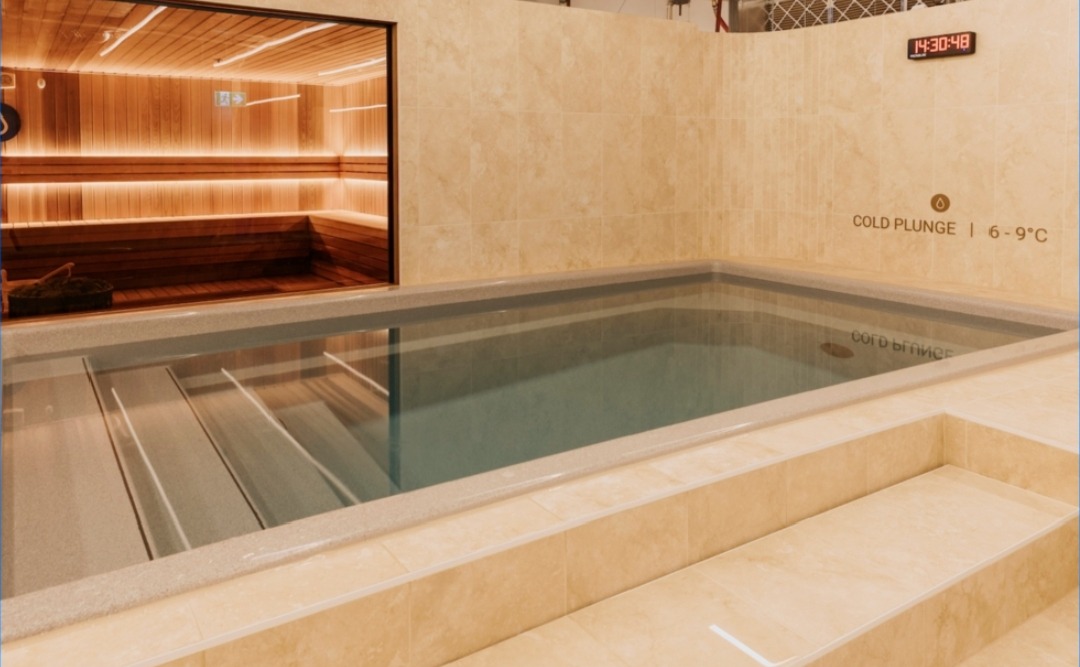
One recovery method that continues to grow in popularity is cold water immersion, commonly known as cold plunging or ice bath therapy. Many people are now incorporating regular sessions such as a cold plunge in Sydney CBD at RCVRI into their wellness routines to support recovery, reduce stress, and improve overall wellbeing.
Cold plunge therapy has moved well beyond professional sports environments and is now widely used by everyday individuals seeking better recovery and stress management. Exposure to cold water creates a strong physical response in the body, which may help improve circulation, recovery, and mental resilience when practised consistently and safely. Modern wellness culture has also shifted toward more proactive recovery strategies rather than simply reacting to stress or fatigue after it becomes overwhelming. Many people now view recovery as an essential part of maintaining long-term performance and wellbeing rather than an occasional activity.
Cold plunge sessions are often combined with other wellness practices such as sauna therapy, breathwork, stretching, and mindfulness routines. Together, these approaches help support both physical recovery and mental reset in increasingly busy lifestyles. As awareness of recovery science grows, more people are recognising the value of incorporating structured recovery habits into their weekly routines.
One of the main reasons people use cold plunge therapy is to support physical recovery after exercise or demanding physical activity. Cold exposure may help reduce muscle soreness and temporary inflammation following training sessions, which can improve overall recovery between workouts. Athletes and active individuals often use cold immersion to help their bodies recover more efficiently after intense exercise. While recovery needs vary between individuals, many people report feeling refreshed and less physically fatigued after regular sessions.
Cold plunge therapy may support recovery by:
Encouraging circulation changes throughout the body
Helping muscles feel less sore after exercise
Supporting post-training recovery routines
Regular recovery support can also help individuals maintain more consistent training habits over time by reducing the physical discomfort that sometimes follows demanding workouts. This consistency becomes especially important for people pursuing long-term fitness or performance goals.
Modern lifestyles often involve ongoing mental pressure from work, technology, and daily responsibilities. Many people now use recovery practices not only for physical benefits but also to support stress management and mental clarity. Cold plunge therapy creates a strong but controlled physical challenge that encourages focused breathing and present-moment awareness. During cold exposure, people are often required to slow their breathing and remain mentally calm despite physical discomfort.
This process may help individuals develop:
Greater mental focus
Improved stress tolerance
Better emotional regulation
Many people describe feeling mentally refreshed or more energised after cold plunge sessions. The contrast between the cold exposure and the body’s recovery response may also contribute to a sense of alertness and reset afterward. For individuals managing high-pressure work environments or mentally demanding routines, these mental recovery benefits can become just as valuable as the physical effects.
One reason cold plunge therapy continues to grow in popularity is because it encourages people to prioritise recovery more consistently. Many individuals focus heavily on work or exercise performance while overlooking the importance of proper recovery routines. Regular recovery sessions help create more balanced wellness habits and encourage individuals to slow down and focus on long-term wellbeing.
Cold plunge routines are often incorporated into broader recovery lifestyles that may also include:
Sauna sessions
Mobility and stretching work
Mindfulness practices
Building consistent recovery habits can improve how people manage fatigue, stress, and physical demands over time. Rather than viewing recovery as something reserved for injuries or exhaustion, many people now see it as a proactive part of maintaining overall performance and wellbeing.
Long-term wellness is not only about avoiding illness or staying physically active. It also involves managing stress, supporting mental health, maintaining energy levels, and creating sustainable lifestyle habits. Recovery practices such as cold plunge therapy may contribute to this broader approach by helping individuals feel more balanced physically and mentally.
Consistent wellness routines often help people:
Maintain healthier energy levels
Improve consistency with exercise and movement
Create dedicated time for self-care and recovery
As people become more aware of burnout and chronic stress, recovery-focused wellness practices are increasingly viewed as important parts of maintaining long-term health and lifestyle balance. Cold plunge therapy is often appealing because it combines physical challenge with mental reset in a relatively short period of time.
Recovery studios and wellness spaces are becoming more common in major cities because urban lifestyles often involve high stress levels, long work hours, and limited downtime. Many professionals are now actively seeking accessible recovery options that fit into busy schedules. A centrally located recovery experience such as a cold plunge in Sydney CBD at RCVRI appeals to people looking for practical ways to recharge physically and mentally without needing to commit to lengthy wellness retreats or time-consuming recovery programs.
Recovery-focused environments also create opportunities for people to disconnect temporarily from daily distractions and focus more intentionally on their wellbeing. This shift reflects a broader trend where recovery is becoming integrated into regular lifestyle routines rather than treated as an occasional luxury.
One common misconception about recovery practices is that they need to be extreme or uncomfortable to be effective. In reality, long-term consistency is often more valuable than occasional intense sessions. Regular cold plunge sessions may provide more sustainable benefits when incorporated gradually and safely into an existing wellness routine. Many people find that consistent exposure helps them become more comfortable with the process while supporting ongoing physical and mental recovery.
Like most wellness practices, the long-term value often comes from creating healthy routines rather than chasing immediate results. Consistency also allows individuals to better understand how their bodies respond to cold exposure and recovery practices over time.
Professional recovery spaces provide controlled environments designed to make cold plunge therapy safer, cleaner, and more accessible for regular use. These environments are often carefully maintained to ensure water quality, temperature control, and overall comfort.
Many people prefer structured recovery facilities because they provide:
Professionally maintained equipment
Comfortable wellness-focused environments
Access to additional recovery services
Professional settings also help individuals feel more confident trying cold plunge therapy for the first time, especially if they are unfamiliar with cold exposure practices. A dedicated recovery environment can make it easier for people to maintain consistency with their wellness routines over the long term.
Regular cold plunge sessions are becoming an increasingly popular part of long-term wellness and recovery routines because they support both physical recovery and mental reset. As modern lifestyles become more demanding, more people are recognising the value of proactive recovery practices that help improve balance, resilience, and overall wellbeing.
By incorporating experiences such as a cold plunge in Sydney CBD at RCVRI into regular wellness routines, individuals can create healthier recovery habits that support long-term physical performance, stress management, and overall lifestyle sustainability. Recovery is no longer viewed as optional by many people. It is becoming an essential part of maintaining long-term health and performance in modern life.
 Supriyo Khan
 Supriyo Khan
 Supriyo Khan
 Supriyo Khan
Want to add a comment?