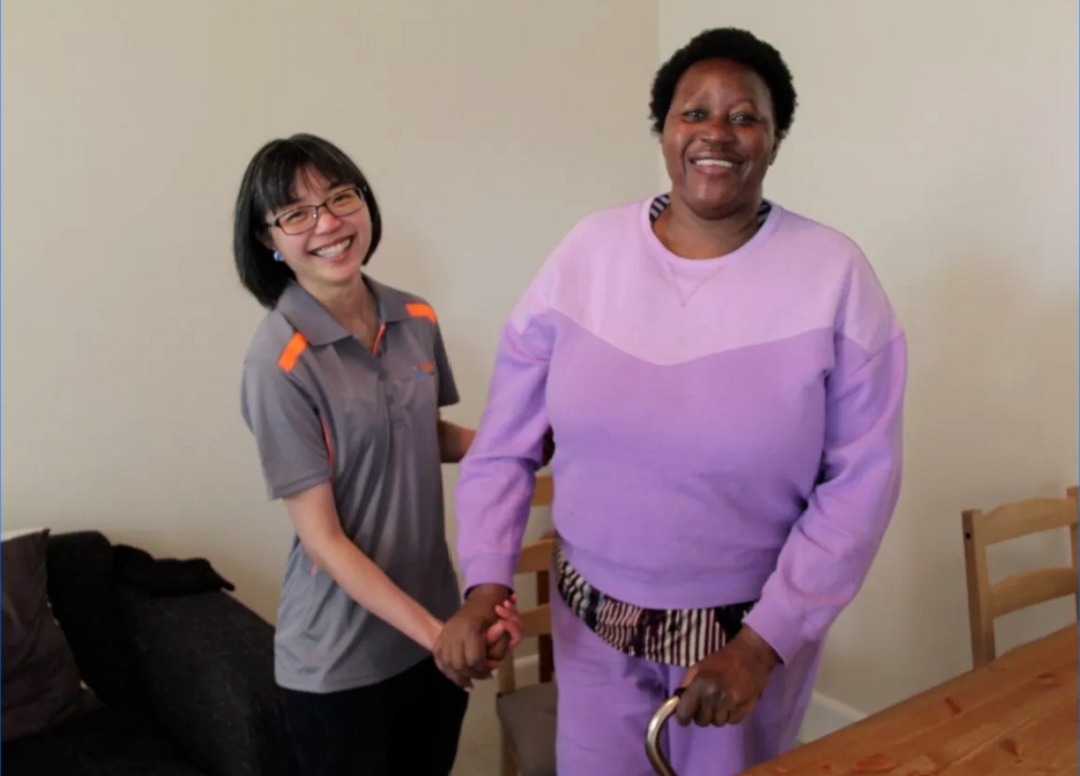
Recovery after injury, illness, surgery, or physical decline often involves far more than simply healing medically. Many people also need support rebuilding strength, confidence, coordination, and the ability to manage everyday tasks safely and independently. Functional rehabilitation focuses on helping individuals improve their ability to perform practical daily activities that support long-term mobility and independence. Rather than concentrating only on symptoms or isolated exercises, rehabilitation programs are designed to improve how people function within their real everyday environments. This is one reason many individuals and families seek support through professional occupational therapy Sydney services when working toward long-term recovery and improved quality of life. Medical treatment may address the immediate injury or health condition, but many individuals continue experiencing challenges long after the initial treatment phase is complete. Reduced mobility, weakness, balance difficulties, fatigue, pain, or limited coordination can affect a person’s ability to complete normal daily activities independently. Tasks that were once simple may suddenly become physically demanding or unsafe. Functional rehabilitation helps people gradually regain confidence and practical ability within everyday life rather than focusing solely on medical recovery alone. Rehabilitation often supports activities such as: Walking and transferring safely Completing personal care routines Managing household tasks independently The goal is to improve overall function and help individuals participate more comfortably in daily life. Mobility plays a major role in maintaining independence, safety, and overall wellbeing. Difficulties with movement can affect almost every aspect of daily living, including self-care, social interaction, work, and community participation. When mobility declines, individuals may become more dependent on family members or support services for everyday tasks. This can affect confidence, emotional wellbeing, and overall quality of life. Functional rehabilitation helps individuals improve movement patterns, strength, balance, and coordination in ways that support practical day-to-day function. Improving mobility may help reduce: Risk of falls and injuries Dependence on external assistance Limitations within daily routines Supporting safe movement and physical confidence is often one of the most important aspects of long-term rehabilitation. Every individual experiences recovery differently depending on their health condition, age, mobility level, and personal goals. Because of this, rehabilitation programs need to be tailored carefully to the specific needs of each person. Personalised rehabilitation plans may focus on improving particular activities that are important for the individual’s lifestyle and independence. These goals may include: Returning to work or community activities Improving safety within the home Regaining confidence with everyday movement Tailored rehabilitation allows therapy to remain practical and relevant to the individual’s real-world environment and daily responsibilities. Personalised approaches also help individuals progress at a pace appropriate for their condition and overall recovery stage. Safety is a major concern for many people recovering from injury, illness, or reduced mobility. Difficulties with balance, coordination, strength, or endurance may increase the risk of falls and accidents both inside and outside the home. Functional rehabilitation helps individuals develop safer movement strategies while improving awareness of physical limitations and environmental risks. Therapy may also involve assessing the home environment and recommending adjustments that improve accessibility and reduce hazards. This may include: Improving movement around the home Identifying fall risks and safety concerns Supporting safer use of mobility equipment Creating safer living environments helps reduce injury risk while improving confidence and independence during recovery. Safety-focused rehabilitation can be particularly valuable for older adults or individuals managing long-term health conditions. Occupational therapists play an important role in functional rehabilitation by helping individuals improve the skills needed for daily living and independent participation. Rather than focusing only on physical strength, occupational therapy also considers how cognitive, emotional, sensory, and environmental factors affect a person’s ability to function safely and effectively. Therapists may assist individuals with: Daily living skill development Mobility and independence strategies Adapting activities or environments This broader approach helps support long-term recovery outcomes that extend beyond basic physical rehabilitation alone. Occupational therapy often aims to help people remain as independent and engaged in everyday life as possible despite physical or medical challenges. Functional recovery is often a gradual process that requires patience and consistency over time. Many individuals experience frustration when progress feels slower than expected, particularly after major injuries or health setbacks. Regular rehabilitation sessions and consistent practice of daily strategies help reinforce progress while building strength and confidence gradually. Small improvements made consistently over time often lead to stronger long-term outcomes than attempting to progress too quickly. Consistent rehabilitation may help improve: Physical confidence and endurance Daily functional ability Long-term mobility outcomes Maintaining realistic expectations and structured rehabilitation routines is often essential for supporting sustainable recovery. Ongoing support also helps individuals adapt more effectively as their needs or abilities change throughout the rehabilitation process. Recovery challenges do not only affect physical ability. Reduced independence, mobility limitations, and ongoing health concerns may also affect emotional wellbeing, confidence, and social participation. Functional rehabilitation often helps individuals regain confidence by improving their ability to manage daily activities more independently. As people become more capable within their everyday environments, they may feel: More socially connected More confident in public settings Less dependent on others for support Improved independence frequently contributes to stronger emotional wellbeing and greater motivation throughout recovery. Supporting both physical and emotional function is an important part of comprehensive rehabilitation planning. Early intervention often plays a major role in improving rehabilitation outcomes. Delaying therapy may allow mobility limitations, weakness, or compensatory movement habits to worsen over time. Starting rehabilitation early may help individuals maintain function more effectively while reducing the risk of long-term physical decline. Early rehabilitation can also support: Faster adaptation to physical changes Improved confidence during recovery Better long-term independence outcomes While every recovery process is different, early support often provides individuals with a stronger foundation for long-term improvement and mobility management. Proactive rehabilitation planning can significantly influence overall recovery success. Functional rehabilitation requires professional assessment, structured planning, and ongoing monitoring to ensure recovery goals remain appropriate and achievable. Experienced rehabilitation professionals understand how physical ability, mobility, home environments, and daily routines all interact during the recovery process. Professional occupational therapy Sydney services help individuals receive personalised support tailored to their specific challenges, goals, and long-term functional needs. Professional guidance also helps ensure rehabilitation strategies remain safe, practical, and focused on improving real-world independence rather than isolated exercises alone. This structured support often becomes essential for achieving sustainable recovery outcomes over time. Functional rehabilitation plays a major role in helping individuals rebuild independence, mobility, and confidence after injury, illness, surgery, or physical decline. Recovery involves far more than medical healing alone, and many people require support improving practical everyday function within real-world environments. Through professional occupational therapy Sydney services, individuals can access personalised rehabilitation support focused on improving mobility, safety, and long-term quality of life. Functional rehabilitation not only supports physical recovery but also helps people regain confidence and maintain greater independence throughout daily living.Why Recovery Involves More Than Physical Healing
The Importance of Mobility for Long-Term Independence
Why Personalised Rehabilitation Matters
Functional Rehabilitation Supports Safer Living
The Role of Occupational Therapy in Functional Recovery
Why Consistency Is Important During Rehabilitation
Functional Rehabilitation Supports Emotional Wellbeing
Why Early Rehabilitation Can Improve Outcomes
Why Professional Guidance Matters
Conclusion
 Supriyo Khan
 Supriyo Khan
 Supriyo Khan
 Supriyo Khan

Want to add a comment?