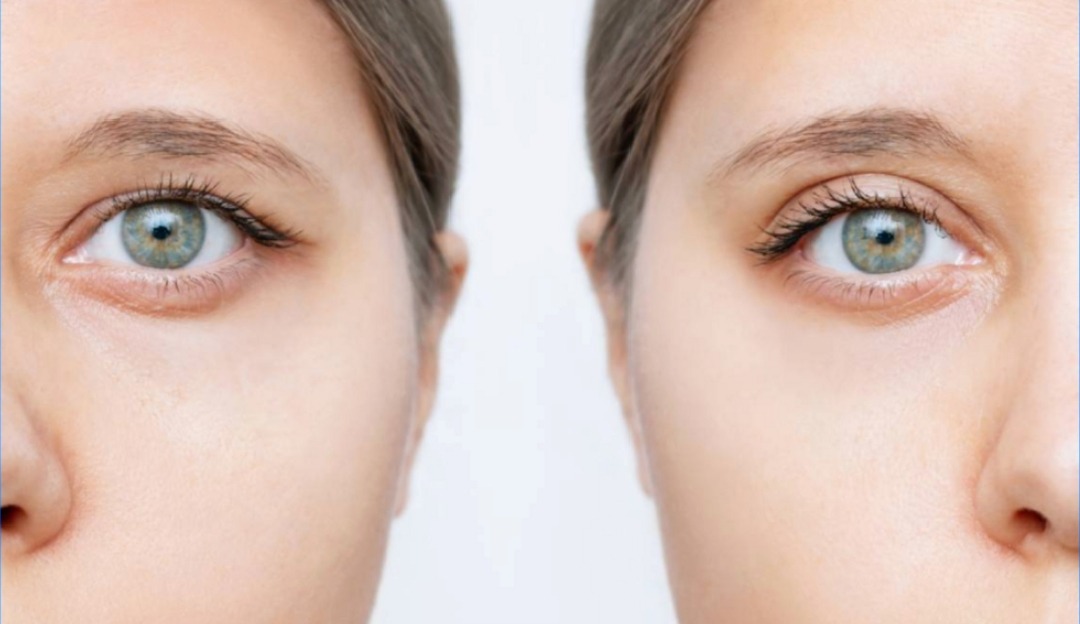
Blepharoplasty, commonly known as eyelid surgery, is designed to improve both the appearance and function of the eye area. As people age, the skin around the eyes begins to lose elasticity, leading to sagging, puffiness, and a tired appearance. These changes can affect not only how you look but also how you feel about your overall appearance.
For those considering treatment, consulting a qualified professional such as a Dr John Flood Sydney Lower bleph specialist is an important first step. A specialist can assess your concerns and determine whether upper blepharoplasty, lower blepharoplasty, or a combination of both will deliver the most effective results based on your individual needs.
Upper blepharoplasty focuses on the upper eyelids, where excess skin and fat can accumulate over time. This often results in drooping or hooded eyelids, which can make the eyes appear smaller and more tired. In some cases, the excess skin can even interfere with vision, particularly in the outer field.
The procedure typically involves removing or repositioning excess skin, muscle, and fat to create a smoother and more lifted appearance. By restoring the natural contour of the upper eyelid, this treatment can significantly enhance the overall look of the eyes while also improving functionality. Many patients choose upper blepharoplasty to achieve a more refreshed and alert appearance. It is particularly beneficial for those who feel their eyes look heavy or aged, even when they are well-rested.
Lower blepharoplasty targets the area beneath the eyes, where puffiness, dark circles, and under-eye bags are common concerns. These issues are often caused by fat displacement, skin laxity, and changes in the supporting structures of the lower eyelid. During the procedure, excess fat may be removed or repositioned, and loose skin is tightened to create a smoother contour. This helps reduce the appearance of under-eye bags and improves the overall texture and tone of the skin in this area. Lower blepharoplasty is ideal for individuals who feel that under-eye puffiness makes them look constantly tired or older than they are. By addressing these concerns, the procedure can restore a more youthful and balanced appearance.
While both procedures aim to rejuvenate the eye area, they focus on different parts of the eyelid and address distinct concerns. Upper blepharoplasty is primarily concerned with lifting and tightening the upper eyelids, while lower blepharoplasty focuses on smoothing and contouring the under-eye area.
Another key difference is the type of results each procedure delivers. Upper eyelid surgery often creates a more open and lifted appearance, which can improve both aesthetics and vision. Lower eyelid surgery, on the other hand, reduces puffiness and creates a smoother transition between the lower eyelid and the cheek. Understanding these differences is essential when deciding which procedure is right for you. In some cases, addressing only one area may not achieve the desired result, and a combined approach may be recommended.
Choosing between upper and lower blepharoplasty depends on your specific concerns and goals. If you are experiencing drooping upper eyelids or a heavy feeling around the eyes, upper blepharoplasty may be the most appropriate option.
If your main concern is under-eye bags, puffiness, or dark circles, lower blepharoplasty is likely the better choice. This procedure directly targets the issues that contribute to a tired or aged appearance in the lower eyelid area. A professional consultation is essential for making the right decision. A specialist will evaluate factors such as skin quality, facial structure, and overall symmetry to recommend a personalised treatment plan that aligns with your expectations.
In many cases, combining upper and lower blepharoplasty provides the most comprehensive results. This approach addresses both areas simultaneously, creating a more balanced and harmonious appearance.
Combining procedures can be particularly beneficial for individuals who have concerns in both the upper and lower eyelids. By treating both areas at once, the overall rejuvenation effect is more noticeable and cohesive. However, not every patient requires both procedures. The decision to combine treatments should be based on a thorough assessment and a clear understanding of your goals.
Recovery from blepharoplasty varies depending on the extent of the procedure, but most patients experience some swelling and bruising in the initial stages. These effects typically improve within one to two weeks, allowing patients to gradually return to their normal activities.
Following post-operative care instructions is important for achieving the best results. This may include avoiding strenuous activities, keeping the head elevated, and attending follow-up appointments to monitor healing. The results of blepharoplasty are long-lasting, with many patients enjoying a more youthful and refreshed appearance for years. Proper care and a healthy lifestyle can help maintain these results over time.
The success of blepharoplasty depends heavily on the skill and experience of the surgeon. The eye area is delicate and requires a precise approach to achieve natural-looking results without compromising function. A qualified specialist will take the time to understand your concerns, explain the procedure in detail, and set realistic expectations. They will also tailor the treatment to suit your facial features, ensuring the results enhance your natural appearance rather than altering it dramatically. Choosing the right professional not only improves the outcome but also provides peace of mind throughout the process. It ensures that your safety and satisfaction are prioritised at every stage.
Upper and lower blepharoplasty are both effective procedures for rejuvenating the eye area, but they serve different purposes. Understanding the differences between them is essential for choosing the right option based on your individual concerns.
By consulting with an experienced specialist and carefully considering your goals, you can make an informed decision that delivers the best possible results. Whether you choose upper, lower, or a combination of both procedures, the right approach can help you achieve a more refreshed, balanced, and confident appearance.
 Supriyo Khan
 Supriyo Khan
 Supriyo Khan
 Supriyo Khan

Want to add a comment?