Did you know that the car sales market is expected to grow to $10,574.88 billion by 2034? This shows strong demand for vehicles and the growing need to understand your vehicle value.
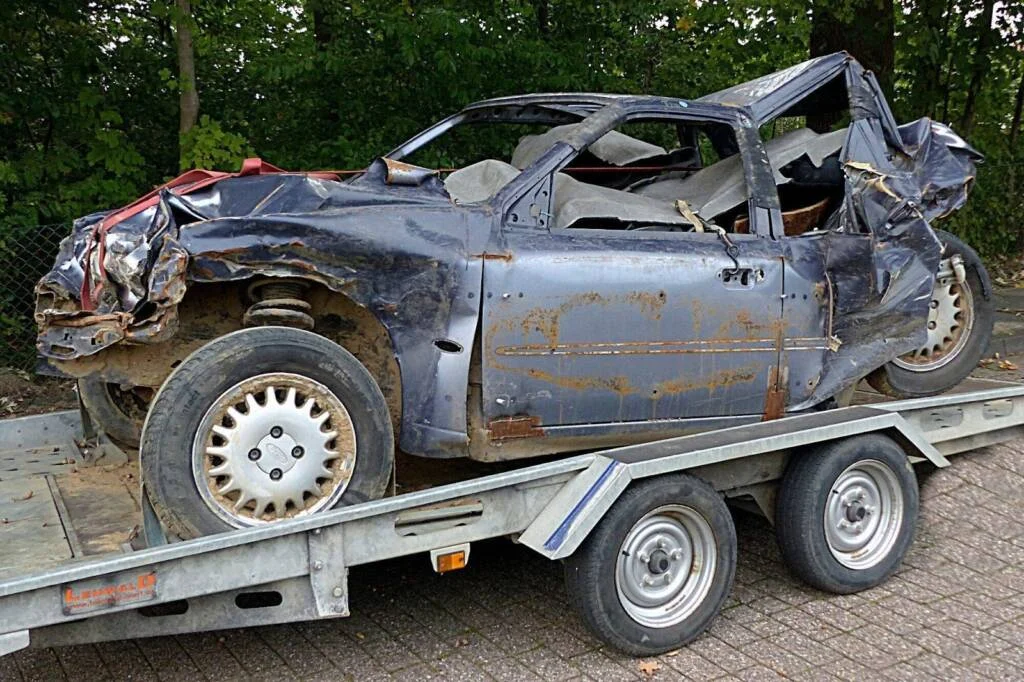
When a car accident happens, the loss can feel overwhelming. Many vehicle owners feel stressed and unsure about what comes next. The financial side often adds to that pressure.
Understanding how insurance companies value your car is very important. In this article, you will learn the key factors that influence full loss payouts. Read on to help you feel more confident and prepared during the claims process.
Many insurers follow the 80% rule when reviewing damage to a vehicle. This rule compares repair costs to the car's actual cash value before the accident. It helps insurers decide if fixing the car still makes financial sense.
Once repair costs reach around 80%, insurers start to question the value of repairs. At that point, fixing the car often costs more than replacing it. This is when a total loss decision becomes likely.
The 80% rule protects insurers from overspending on repairs. It also speeds up decisions for vehicle owners. Knowing this rule helps you understand why a claim may shift quickly.
Some insurers apply a stricter standard known as the 100% repair cost rule. If repair estimates equal the full value of the vehicle, it is declared a total loss. There is very little flexibility under this approach.
This rule prevents insurers from approving impractical repairs. It also reduces the risk of returning unsafe vehicles to the road. Owners receive a payout instead of facing long repair delays.
While this rule can feel sudden, it provides clarity. The numbers clearly support the decision. This makes the process easier to explain and apply.
Your car's overall condition plays a major role in its valuation. Adjusters review wear, prior damage, and maintenance history closely. Even small details can influence the final number.
Well-kept vehicles often receive higher valuations. Clean interiors and solid maintenance records help support your claim. Cosmetic and mechanical issues can lower perceived value.
A car that shows care tells a positive story. It suggests reliability and responsibility. That impression can work in your favor during settlement discussions.
Insurers often rely on local market comparisons. They look at similar vehicles with similar mileage and condition. This helps determine a fair market value.
Vehicle prices vary by location and demand. Local supply affects how much a car is worth. These trends shift faster than many people expect.
Using market data adds consistency to payouts. It reduces guesswork in valuations. This approach helps keep settlements reasonable and balanced.
Some vehicles lose value even after repairs. Buyers often hesitate when a car has accident history. That hesitation can reduce resale value.
Diminished value claims exist to address this loss. They seek compensation for reduced market appeal. Not every policy includes this option.
These claims require solid evidence. Appraisals and market comparisons are often needed. Patience and documentation improve your chances.
Salvage value shows what the damaged vehicle is worth after the loss. Insurers base this amount on usable parts and scrap potential. It is always lower than the car's pre-accident value.
Insurers subtract salvage value from the final payout. Many owners feel surprised by this deduction at first. Understanding this step helps avoid confusion during settlement talks.
Knowing the salvage value helps you follow the math clearly. It shows how insurers calculate payouts. This clarity supports better conversations with insurers.
Insurance adjusters play a key role in claim outcomes. Their experience influences how rules are applied. Judgment matters alongside formulas.
Some adjusters advocate strongly for accurate values. Others follow guidelines more strictly. Clear communication can make a difference.
Providing organized information helps adjusters help you. Respectful discussions often lead to smoother claims. Cooperation supports better results.
Insurers review your vehicle's value before the accident. Upgrades and modifications may increase that value. Proof is required to support these claims.
Receipts and photos make a strong impact. Documentation shows real investment in the vehicle. Without it, upgrades may be ignored.
Pre-accident value sets the foundation for payouts. Everything builds from that baseline. Preparation makes a difference.
Every insurance policy includes specific total loss provisions. Coverage limits and extras vary widely. These details affect your payout.
Policy language guides insurer decisions. It defines what is covered and what is not. Reviewing it prevents surprises.
Understanding your policy gives you control. It sets realistic expectations. Knowledge reduces stress during claims.
You have the right to dispute a valuation if it feels inaccurate. Insurers allow appeals for this reason, so you are not locked into the first offer. This option gives you a chance to seek a fairer outcome.
Appeals require strong supporting evidence to be effective. Independent appraisals and detailed records strengthen your argument. Clear facts matter far more than opinions.
The appeals process takes time and patience. Staying persistent often leads to better results. Good preparation improves your chances of success.
State laws strongly influence how total loss claims are handled. These rules protect both vehicle owners and insurers. They also set clear thresholds and procedures for claims.
Some states favor vehicle owners more, while others give insurers more discretion. For example, the South Carolina total loss threshold affects when a car is considered a total loss. Understanding these differences can help you maximize your payout.
Knowing your state's rules matters a lot. It helps you anticipate what will happen during the claim. It also makes discussing the process with insurers much smoother.
Navigating vehicle loss can feel complicated, but knowing the Vehicle Value Rules for Full Loss Payouts makes things clearer. Local market values, salvage assessments, and the role of adjusters all play a big part in determining your payout. Understanding these guidelines helps you feel more confident during the claims process.
If you face a total loss, prepare yourself with knowledge and evidence. Being ready to negotiate and advocate for your interests can improve your outcome. Staying informed and proactive is the best way to maximize your insurance payout.
Don't stop here, there's so much more to learn about on our website. Dive into our other articles for more information.
 Supriyo Khan
 Supriyo Khan
 Supriyo Khan
 Supriyo Khan

Want to add a comment?