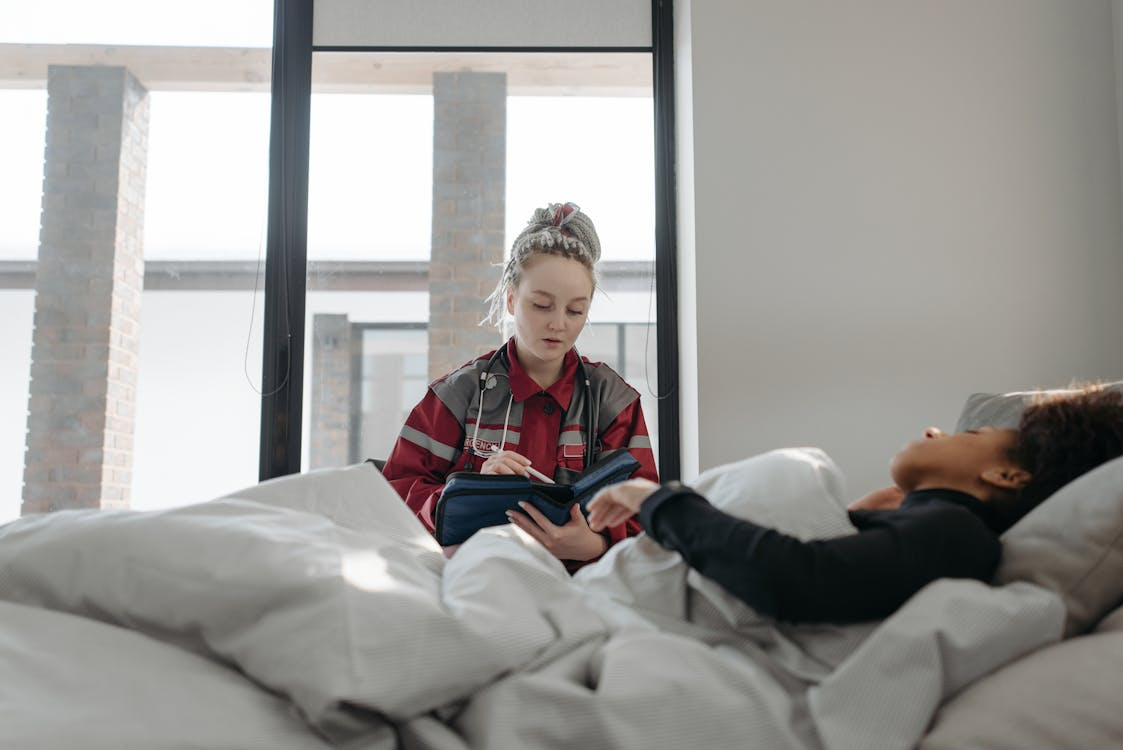
You wake up at night, and something feels wrong, leaving you anxious and unsure what to do. Late-night emergencies feel harder because clinics are closed, hospitals may be crowded, and you are already worn out. When you prepare in advance and know your options, you can respond calmly and handle the situation with greater confidence and less stress.
Before you react, give yourself a moment to breathe. Staying calm helps you think clearly and avoid mistakes. Focus on the symptoms and try to understand what is going on:
When did the symptoms start
Are they getting worse or staying the same
Is there pain, fever, bleeding, or trouble breathing
If the situation appears life-threatening, please contact emergency services without delay. If it is urgent but not critical, you still need quick medical attention, so your next step matters.
You should not be searching for help while you are already stressed and half awake. Planning makes everything easier when time matters. Being aware of the nearest freestanding emergency room's location before an accident occurs can significantly reduce your stress during a crisis. To stay prepared, you can:
Save the location on your phone
Share it with family members
Practice the route during the day
Not all emergency care experiences feel the same, especially late at night when you are already overwhelmed. Traditional hospitals can be crowded and slow, which only adds to your stress. Choosing a freestanding emergency clinic means you can avoid the crowded waiting rooms of downtown hospitals while still receiving top-tier medical attention.
These facilities are designed to give you quicker access to care in a quieter and more comfortable environment. Faster medical attention reduces anxiety and allows you to concentrate on your recovery instead of waiting.
When an emergency happens, you would rather not waste time looking for basic items. Having a few things prepared can make your response faster and more organized.
A well-stocked first aid kit with bandages, antiseptics, and basic supplies
A thermometer so you can quickly check for a fever
Important medical details saved on your phone, including allergies and medications
Emergency contact numbers that are easy to access
These small preparations can make a big difference when you are under pressure and need to act quickly.
Some symptoms need immediate attention. You should not wait or guess. Trust your instinct if something feels serious.
Trouble breathing or shortness of breath
Chest pain or pressure
Heavy bleeding that does not stop
Sudden weakness or confusion
If you observe these symptoms, please proceed to an emergency room immediately.
Not all emergencies need a big hospital. Sometimes, smaller emergency facilities are faster and easier to use. Crowded large hospitals may lead to longer wait times. This adds stress when you are already worried.
Choosing a freestanding emergency clinic means you can avoid the crowded waiting rooms of downtown hospitals while still receiving top-tier medical attention. These clinics often feel calmer. You get attention faster. You feel seen and heard. That human touch matters when you are stressed.
The journey to the emergency room can feel stressful, especially when your thoughts start racing. You may find yourself imagining the worst, which can make it harder to stay in control. Try to focus on what you can control at that moment. Drive safely, follow directions on your GPS, and take slow breaths to steady yourself. If someone else is with you, let them drive so you can focus on the person who needs care. If you are alone, calling a trusted person can help you stay calm and supported.
Late-night medical scares will never feel easy, but they do not have to feel chaotic. When you prepare early, stay calm, and choose the right care, you protect yourself and your family. You move with purpose. You act with clarity, and you move through the moment safely.
 Supriyo Khan
 Supriyo Khan
 Supriyo Khan
 Supriyo Khan
Want to add a comment?