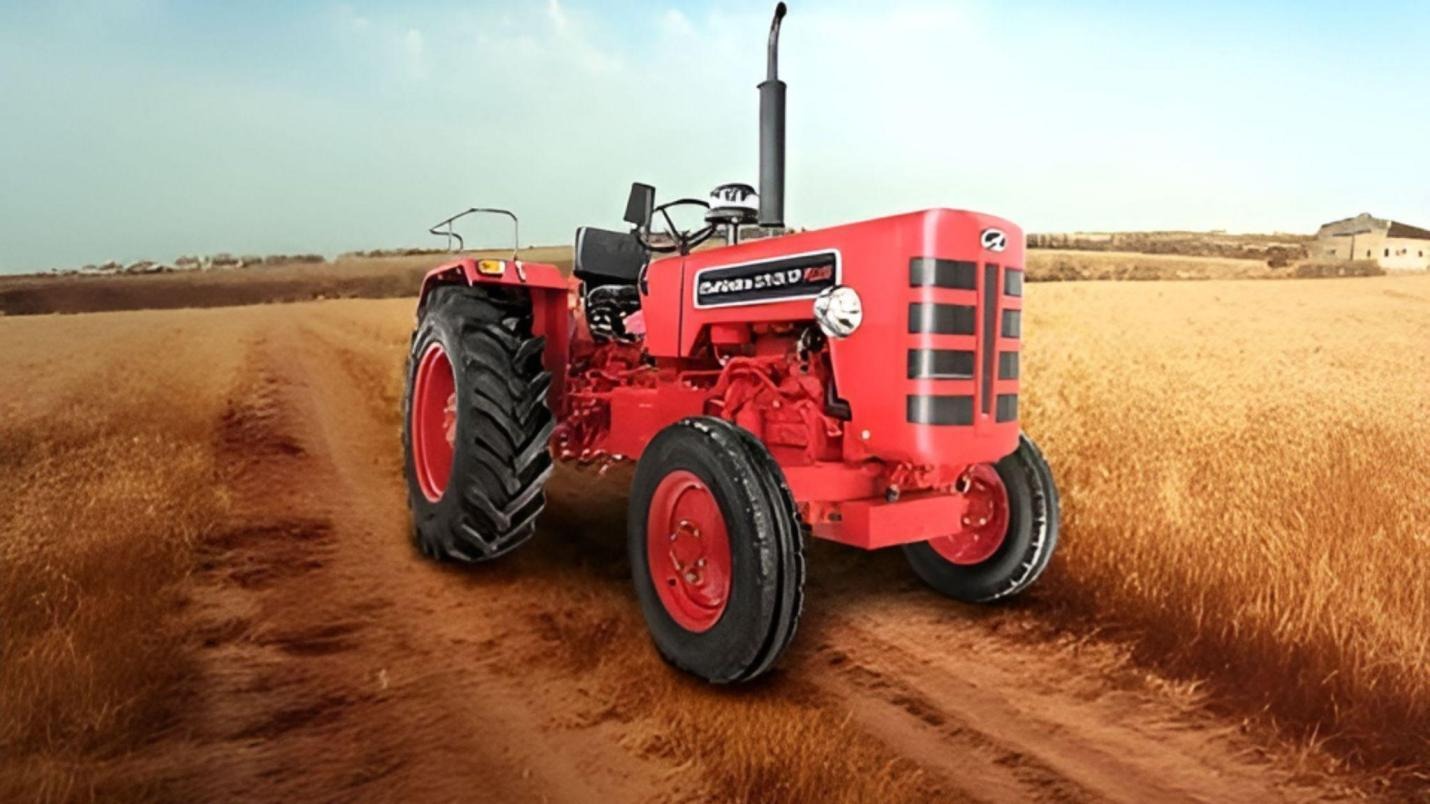
Rice sits at the heart of Indian food security across many states, and higher output is not only about better seed and smarter water. It is also about how quickly a farmer can prepare land, plant on time, manage weeds, and harvest before losses set in. That is where the tractor and the right set of implements have become game changers.
Rice is time-sensitive. A delay of even a week in land preparation or transplanting can push the crop into unfavourable weather later in the season. Mechanisation improves three things rice farmers constantly chase:
Timeliness: field operations finish within the best window.
Uniformity: levelling, planting, and input application become more even.
Reduced drudgery: fewer backbreaking hours in slush and heat.
In many villages, labour is less available during peak months, and wages rise sharply.
Rice fields demand a good seedbed and, in puddled systems, a well-worked top layer that holds water. A tractor with the right attachment can handle multiple steps efficiently.
Ploughs and disc harrows break the soil and incorporate stubble from the previous crop. Where straw is heavy, a rotavator or mulcher helps manage residue so the next operation does not choke.
In transplanted rice, puddling reduces percolation and creates a soft layer for seedlings. Puddling implements and cage wheels, paired with the tractor, speed up the process and reduce uneven patches that later cause waterlogging or dry spots.
Laser land levellers, often used through custom hiring, are valuable in irrigated regions. Better levelling means water spreads evenly, fertiliser does not concentrate in low spots, and seedlings establish more uniformly.
Rice planting has changed rapidly in parts of India, and machines are a big reason.
Mechanical transplanters place seedlings at consistent spacing and depth. In regions facing labour shortages, this shift protects the season because planting is completed on time.
Direct seeding is gaining interest where water is limited or labour is scarce. Seed drills and planters place seed at a set depth and spacing, reducing seed waste and improving emergence. With good levelling and smart weed control, this approach can be workable and profitable.
Once the crop is in, the work is far from over. Timely input application often decides to yield more than any single brand of fertiliser.
Boom sprayers, knapsack sprayers with better nozzles, and fertiliser spreaders improve coverage. Even application reduces patchy growth and lowers the chance of overuse in one corner and underuse in another.
In direct-seeded fields, weeds can explode early. Power weeders and inter-row weeders are useful where row spacing allows. The point is not just saving labour; it is stopping weeds before they steal moisture and nutrients.
While irrigation pumps are not always linked to the tractor, field channels, bund shaping, and quick repairs are. A bund former or blade attachment helps maintain field edges that hold water properly, especially after heavy rain.
Harvest season in rice is a race against lodging, untimely rain, and grain shattering. Manual harvesting takes time, and delays can reduce the final bag count.
Reapers speed up cutting, while combine harvesters cut, thresh, and clean in one pass. In many states, custom hiring has made combines reachable even for smaller holdings. Faster harvest also means the next crop, often wheat or pulses, can be sown without missing the window.
Farmers are under pressure to manage residue responsibly. Equipment like straw balers and rakes can collect straw for fodder and sale. Access to the right machines can change behaviour by making residue a usable product instead of a headache.
Rice farming success is not only what happens in the field. Grain quality and safe movement matter too.
Threshers and cleaners reduce impurities and improve market acceptance.
A tractor with a trailer moves grain, fertiliser, and seedlings efficiently, saving multiple trips on smaller vehicles.
When distances to procurement centres increase, reliable transport becomes a quiet advantage.
Buying a machine is an economic decision, not a status symbol. Tractor price in India depends on horsepower, brand, transmission type, fuel efficiency, and after-sales service. For rice-focused operations, the more useful question is: “What jobs will it do across the year?”
Consider these checks before spending:
Match horsepower to your most demanding implement, not just to land size.
Calculate annual hours: your own farm work plus possible rental income.
Compare service network quality and availability of parts.
Factor in tyre type and traction for wet fields.
Look at resale value and the condition of the used market locally.
Also, budget for implements and upkeep. An affordable purchase can turn costly if servicing is irregular or the wrong attachment is used in slushy fields. Speak to owners, local mechanics, and dealers about fuel use, spares, and real downtime during peak operations.
If ownership feels heavy, custom hiring centres, FPO-owned fleets, and app-based rentals can give access without the full burden of tractor price and maintenance.
Most rice growers in India operate on small plots. The mechanisation strategy that works best is often shared access rather than individual ownership. A few models already show results:
Village-level implement banks that rent rotavators, levellers, and sprayers.
Custom hiring centres supported by state schemes.
Cooperative or FPO ownership that spreads cost and ensures availability.
Operator training camps that reduce breakdowns and improve safety.
The aim is simple: get the right machine to the right farmer at the right time.
India’s rice story will keep evolving, with more attention on water savings, residue management, and climate resilience. Tractors and modern equipment will stay central because they improve timeliness, reduce losses, and make labour use more efficient.
The most successful farmers are not those who buy the biggest machine; they are the ones who choose the right tractor, pair it with suitable implements, and plan field operations like a calendar, not a scramble. When that happens, the rice crop becomes easier to manage, and the results show up season after season.
 Supriyo Khan
 Supriyo Khan
 Supriyo Khan
 Supriyo Khan
Want to add a comment?