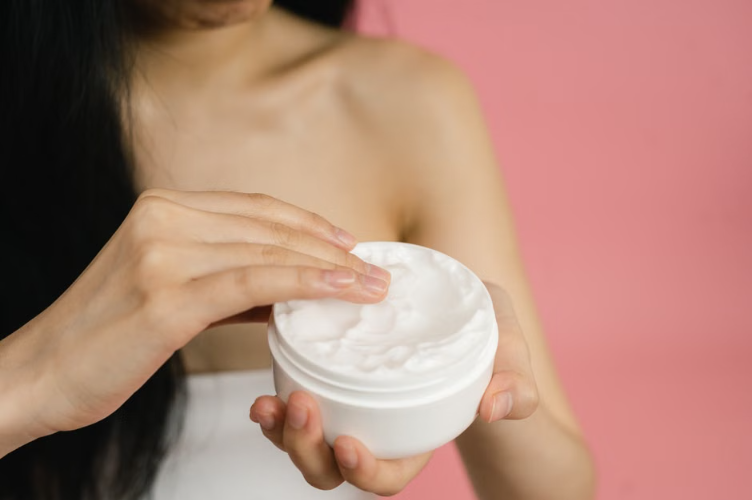
Understanding Regenerative Medical Aesthetics
For years, many of us have sought clearer, more radiant skin. We've tried countless creams and serums, hoping for a lasting glow. Now, a new approach is gaining attention: regenerative medical aesthetics. This exciting field offers deeper, more lasting skin changes.
This article will guide you through this shift. We will explore the core ideas behind regenerative therapies. We will also look at popular topical products, such as Gluta White cream. We will compare their benefits and how they work.
Our goal is to help you understand modern skin care options. This includes both at-home solutions and advanced professional aesthetic skin and body treatments. We will show you how to achieve truly healthy, vibrant skin.

The landscape of skincare is continually evolving, and at the forefront of this evolution is regenerative medical aesthetics. This innovative field moves beyond superficial treatments, focusing instead on stimulating the body's natural healing and renewal processes to restore skin health and vitality from within. It’s a paradigm shift from simply treating symptoms to addressing the root causes of skin aging and damage.
At its core, regenerative medical aesthetics encompasses a range of advanced techniques designed to encourage cellular therapy, tissue engineering, and the body's intrinsic capacity for repair. This includes methods that stimulate natural collagen production, enhance wound healing, and improve overall skin function. Unlike traditional approaches that might offer temporary cosmetic improvements, regenerative treatments aim for structural remodeling, leading to more profound and enduring results.
The Core Principles of Regenerative Medical Aesthetics
The foundation of regenerative aesthetics lies in harnessing the body's own biological mechanisms. Key principles include:
Autologous Treatments: Many regenerative therapies utilize a patient's own biological materials, such as blood or fat. This minimizes the risk of allergic reactions or rejection, making the treatments highly personalized and safe.
Growth Factors: These naturally occurring proteins play a crucial role in cell growth, proliferation, and differentiation. In regenerative aesthetics, concentrated growth factors are often delivered to the skin to accelerate repair, stimulate collagen synthesis, and improve skin texture and tone.
Exosomes: These tiny vesicles, secreted by cells, carry proteins, lipids, and nucleic acids that can influence the function of other cells. Exosomes are emerging as powerful tools in regenerative medicine for their ability to promote healing, reduce inflammation, and stimulate cellular rejuvenation.
Platelet-Rich Plasma (PRP): Derived from a patient's own blood, PRP contains a high concentration of platelets, which are rich in growth factors. When injected or applied topically, PRP can stimulate collagen production, improve skin elasticity, and accelerate tissue repair.
Stem Cells: These remarkable cells have the unique ability to differentiate into various cell types and self-renew. While direct stem cell therapies are complex and often still under research for widespread cosmetic use, treatments that stimulate the body's own stem cell activity are gaining traction in regenerative aesthetics.
These principles collectively aim to rebuild and strengthen the skin's underlying structure, promoting a healthier, more youthful appearance that lasts.
How Regenerative Aesthetics Differs from Traditional Dermatology
While traditional dermatology often focuses on surface-level concerns using methods like topical creams, chemical peels, and injectables that fill or relax, regenerative aesthetics takes a fundamentally different path. The distinction lies primarily in the depth and nature of the intervention:
Structural Remodeling vs. Surface Correction: Traditional methods frequently correct visible signs of aging or damage on the surface. For example, a filler might plump a wrinkle, or a cream might temporarily brighten skin. Regenerative aesthetics, however, aims for genuine structural remodeling by stimulating the production of new collagen, elastin, and other extracellular matrix components. This means rebuilding the skin's architecture from within, rather than just masking external issues.
Deep Cellular Repair vs. Symptomatic Relief: Regenerative treatments are designed to initiate deep cellular repair. They activate fibroblasts to produce more collagen, improve cellular turnover, and enhance the skin's natural healing cascades. This contrasts with many traditional dermatological treatments that offer symptomatic relief or temporary aesthetic enhancement without necessarily improving the skin's intrinsic biological function long-term.
Long-Term Efficacy: Because regenerative aesthetics works with the body's own healing mechanisms, the results tend to be more enduring. While maintenance may be required, the improvements are often rooted in actual tissue regeneration, offering a more sustainable approach to skin health.
Skin Barrier Restoration: Many regenerative therapies contribute to a stronger, healthier skin barrier. By promoting robust cellular function and reducing inflammation, they help the skin better protect itself from environmental aggressors and retain moisture, which is crucial for overall skin health.
Regenerative medical aesthetics represents a proactive and holistic approach, seeking to restore the skin's youthful function and appearance by tapping into its natural regenerative capabilities.
Topical Brightening vs. Professional Regenerative Therapies
When it comes to achieving brighter, more even-toned skin, consumers in mid-2026 have a wide array of options, broadly categorized into topical solutions and professional regenerative therapies. While both aim to improve skin appearance, their mechanisms, efficacy, and duration of results can vary significantly. Let's consider a popular topical example, Gluta White cream, and compare its approach to the deeper interventions offered by regenerative treatments.
Topical brightening creams, such as Gluta White cream, often feature key ingredients like glutathione, collagen, vitamin C, vitamin E, niacinamide, alpha arbutin, and kojic dipalmitate. These ingredients are chosen for their ability to inhibit melanin production, reduce dark spots, and provide antioxidant benefits. For instance, glutathione is a powerful antioxidant that, when applied topically, is believed to interfere with the enzyme tyrosinase, which is crucial for melanin synthesis. Some formulations, like Gluta White Whitening Cream, also combine glutathione with collagen, Vitamin C, and Vitamin E to target both hyperpigmentation and skin elasticity simultaneously, positioning themselves as dual-action anti-aging and skin-evening moisturizers.
However, the efficacy of topical applications can be limited by the skin's natural barrier. While ingredients like glutathione and collagen can offer surface-level hydration and some degree of melanin inhibition, their ability to penetrate deeply enough to initiate significant structural changes or resolve stubborn pigmentation issues like melasma can be restricted. Many topical creams claim rapid results, with some Gluta White products even suggesting visible improvements in as little as 7 days. While some users, particularly those with darker skin tones, have reported positive, rapid results for skin evening with these creams, the depth and permanence of these changes often differ from those achieved through regenerative methods.
Professional regenerative therapies, on the other hand, bypass the superficial barriers of the skin to deliver active agents or stimulate cellular processes at a much deeper level. These treatments, which can include advanced laser resurfacing, specialized chemical peels, or micro-needling with growth factors, are designed to induce significant cellular turnover and stimulate the body's own regenerative cascade. They can effectively target severe hyperpigmentation, deep-seated melasma, and structural skin concerns that topical creams may not adequately address. For a comprehensive overview of such advanced procedures, exploring professional aesthetic skin and body treatments can provide valuable insights into these deeper interventions.
Why Patients are Shifting to Regenerative Medical Aesthetics
The shift towards regenerative medical aesthetics is driven by several factors, primarily the desire for more profound, lasting, and natural-looking results, especially for challenging skin conditions.
Stubborn Hyperpigmentation and Melasma: While topical creams can help with mild dark spots, conditions like severe hyperpigmentation and melasma often require more intensive intervention. Regenerative treatments, such as certain types of laser resurfacing or advanced chemical peels, can target melanocytes more precisely and stimulate rapid skin turnover, effectively reducing pigment at a deeper level.
Desire for Structural Improvement: Many patients seek not just a brighter complexion, but also improved skin texture, firmness, and a reduction in fine lines and wrinkles. Regenerative therapies, by stimulating the body's own collagen and elastin production, offer true structural remodeling. This contrasts with topical collagen, which, due to its large molecular weight, primarily provides surface hydration rather than deep structural support.
Deep Dermal Penetration: Professional treatments are designed to ensure deep dermal penetration of active ingredients or to initiate cellular responses in the deeper layers of the skin. This ensures that the regenerative processes are activated where they are most effective, leading to more significant and enduring changes compared to what topical applications can achieve.
Long-Term Solutions: Patients are increasingly looking for solutions that offer long-term efficacy rather than continuous, short-term maintenance with topical products. Regenerative treatments, by enhancing the skin's intrinsic health and function, can provide more sustainable improvements in skin quality and appearance.
This growing preference highlights a broader understanding that while topical products play a supportive role, for transformative and lasting results, deeper, professional interventions are often necessary.
The Role of Sun Protection in Regenerative and Brightening Regimens
Regardless of whether one opts for topical brightening creams or advanced regenerative therapies, the importance of diligent sun protection cannot be overstated. As of July 2026, dermatologists universally emphasize that sun protection is the cornerstone of any effective skin brightening or anti-aging regimen.
Preventing UV-Induced Hyperpigmentation: Ultraviolet (UV) radiation is a primary trigger for melanocyte activity, leading to the formation of dark spots, sunspots, and exacerbating conditions like melasma. Without consistent broad-spectrum SPF application, any efforts to brighten the skin or reduce existing pigmentation will be undermined by new or worsening sun damage.
Protecting Treated Skin: Following regenerative treatments like laser resurfacing or chemical peels, the skin is particularly vulnerable to sun exposure. New, delicate skin cells are more susceptible to UV damage, which can lead to post-inflammatory hyperpigmentation (PIH) or even reverse the positive effects of the treatment. Strict adherence to post-treatment care, including high-SPF sunscreen, protective clothing, and avoiding peak sun hours, is crucial.
Maintaining Results: For both topical and professional treatments, continuous sun protection is essential to maintain the achieved results. Ingredients like glutathione, vitamin C, and alpha arbutin work to inhibit melanin production, but their benefits are temporary if the skin is constantly exposed to UV radiation without protection. Sunscreen acts as a shield, preserving the integrity of the skin and the longevity of brightening effects.
Therefore, whether you're using Gluta White cream daily or undergoing a series of regenerative aesthetic treatments, integrating a broad-spectrum sunscreen with an SPF of 30 or higher into your daily routine is not just a recommendation—it's a critical component for success.
Key Ingredients in Modern Skin Brightening and Regeneration
The world of skincare is complex, with a multitude of ingredients promising radiant, youthful skin. In the context of skin brightening and regeneration, several key ingredients stand out for their established efficacy. Understanding how these components work, both individually and in synergy, is crucial for making informed skincare choices.
Commonly found in topical brightening formulations, including various Gluta White cream variants, are ingredients such as:
L-Glutathione: A powerful antioxidant.
Vitamin C: Known for its brightening and antioxidant properties.
Niacinamide (Vitamin B3): Helps improve skin barrier function and reduce hyperpigmentation.
Alpha Arbutin: A derivative of hydroquinone, it inhibits tyrosinase activity.
Kojic Dipalmitate: A more stable form of kojic acid, also a tyrosinase inhibitor.
Hyaluronic Acid: Provides intense hydration.
Peptides: Signal molecules that can stimulate collagen production.
These ingredients are often combined to create multi-pathway approaches to skin brightening and anti-aging, addressing various aspects from melanin inhibition to hydration and cellular repair.
The Science of Glutathione and Melanin Inhibition
Glutathione is a tripeptide (composed of three amino acids: cysteine, glutamic acid, and glycine) naturally produced in the body. It's renowned as the "master antioxidant" due to its critical role in neutralizing free radicals and detoxifying harmful substances. In the context of skin brightening, glutathione's mechanism of action is multi-faceted:
Antioxidant Defense: By scavenging free radicals, glutathione reduces oxidative stress, which can otherwise trigger melanin production.
Direct Tyrosinase Inhibition: Glutathione can directly inhibit the enzyme tyrosinase, which is essential for the synthesis of melanin (the pigment responsible for skin color). By reducing tyrosinase activity, it decreases the overall production of pigment.
Switching Melanin Production: It's believed that glutathione can promote the production of pheomelanin (a lighter, yellowish-red pigment) over eumelanin (a darker, brownish-black pigment), contributing to an overall lighter skin tone.
Cellular Detoxification: By supporting cellular health and detoxification pathways, glutathione helps create a healthier environment for skin cells, indirectly contributing to a clearer complexion.
While glutathione is highly effective when administered systemically (e.g., intravenously), its topical application, as seen in products like Gluta White cream, aims to deliver these benefits directly to the skin. However, the skin's barrier can limit the penetration of larger molecules, making the concentration and formulation crucial for topical efficacy.
Topical Collagen vs. Cellular Collagen Synthesis
Collagen is the most abundant protein in the human body, providing structural integrity and elasticity to the skin. As we age, our natural collagen production declines, leading to wrinkles and loss of firmness. This has led to a surge in products containing collagen, both topical and oral.
Topical Collagen: Creams containing collagen, such as some Gluta White formulations that combine glutathione and collagen, primarily work on the skin's surface. Due to its large molecular weight, topical collagen generally cannot penetrate the deeper dermal layers to replace lost collagen. Instead, it functions primarily as a humectant and occlusive agent, providing excellent skin barrier hydration. It forms a film on the skin's surface, reducing transepidermal water loss and making the skin feel smoother and look plumper temporarily. While beneficial for hydration and surface texture, it does not stimulate the body's own collagen synthesis in the way regenerative treatments do.
Cellular Collagen Synthesis (Regenerative Approach): Regenerative medical aesthetics focuses on stimulating the body's own fibroblasts (the cells responsible for producing collagen) to synthesize new, endogenous collagen. Treatments like microneedling, PRP, certain lasers, and exosome therapies work by creating controlled micro-injuries or delivering growth factors that activate these fibroblasts. This leads to true structural remodeling and a long-term increase in the skin's collagen content, resulting in improved firmness, elasticity, and a reduction in wrinkles from within. Peptides, often included in advanced skincare, also act as signaling molecules to encourage fibroblasts to produce more collagen, bridging the gap between topical and regenerative approaches.
The distinction is critical: topical collagen offers superficial benefits, while regenerative therapies aim for deep, lasting structural changes by leveraging the body's innate ability to produce its own collagen.
Frequently Asked Questions About Skin Brightening and Regeneration
As interest in achieving a brighter, more even complexion grows, so do the questions surrounding the safety, efficacy, and practical application of various treatments. Here, we address some common inquiries, drawing insights from both topical products like Gluta White cream and the broader field of regenerative aesthetics.
Is topical glutathione safe for all skin types?
Topical glutathione, often found in creams like Gluta White, is generally formulated to be suitable for various skin types. For example, some Gluta White products are described as "dermatologist-tested formulas suitable for all skin types." However, individual skin reactions can vary significantly.
Patch Testing: It is always a best practice to perform a patch test before applying any new product, especially those containing active brightening agents, to your entire face or body. This involves applying a small amount of the cream to an inconspicuous area, like behind the ear or on the inner arm, and observing for 24-48 hours for any signs of irritation, redness, or contact dermatitis.
Sensitive Skin: Individuals with sensitive skin may be more prone to reactions, even to "gentle" formulations. The combination of multiple active ingredients (e.g., glutathione with kojic acid, arbutin, and vitamin C) in some Gluta White products could potentially increase the likelihood of sensitivity for some users.
Organic and Paraben-Free Claims: Many brands, including Gluta White, highlight their formulations as "organic" and "paraben-free." While these claims can indicate a commitment to minimizing certain irritants, they do not guarantee universal compatibility for all skin types. Always review the full ingredient list if you have known allergies or sensitivities.
While many topical glutathione creams aim for broad compatibility, individual caution through patch testing and consulting with a skincare professional is advisable, particularly for those with pre-existing skin conditions.
How long does it take to see results from regenerative treatments versus topical creams?
The timeline for seeing results can differ significantly between topical creams and professional regenerative treatments, largely due to their differing mechanisms of action and depth of impact.
Topical Creams (e.g., Gluta White Cream): Many topical brightening creams, including various Gluta White formulations, often claim to show "visible results in just 7 days." Some customer reviews also suggest rapid improvements, with one reviewer claiming noticeable results in "just one day" and others seeing changes within "two weeks." These rapid initial results might be attributed to surface hydration, a temporary cosmetic "tone-up" effect (possibly from ingredients like titanium dioxide), or the initial inhibition of new melanin production. However, for significant, lasting reduction of established hyperpigmentation or anti-aging benefits, consistent use over several weeks to months is typically required as the skin undergoes cellular turnover. The depth of change is often limited to the epidermal layer.
Regenerative Treatments: Professional regenerative treatments, such as laser resurfacing, microneedling, or PRP, typically involve more significant cellular processes and tissue remodeling. While some immediate improvements in skin texture or radiance might be observed, the full, transformative results often become apparent over several weeks to months. This is because these treatments stimulate the body's natural collagen synthesis and cellular regeneration, processes that take time. For example, new collagen production can continue for several months post-treatment. The goal here is long-term remodeling and deep cellular repair, leading to more durable and profound changes in skin quality, texture, and tone. Clinical timelines for these treatments are generally longer but the outcomes are often more substantial and enduring.
In summary, while topical creams might offer quicker, superficial improvements, regenerative treatments provide a slower but deeper, more lasting transformation by working with the skin's inherent biological repair mechanisms.
Do topical brightening creams contain harmful ingredients like mercury or parabens?
The concern about harmful ingredients like mercury and parabens in topical brightening creams is a serious and valid one, particularly given the prevalence of counterfeit products in the market.
Mercury: Mercury is a highly toxic heavy metal that has been illegally used in some skin-lightening creams due to its ability to inhibit melanin production. However, it can cause severe health problems, including kidney damage, neurological issues, and skin discoloration. Reputable brands, like Gluta White, explicitly state their products are "100% free of mercury." The risk of mercury contamination is primarily associated with unregulated or counterfeit products.
Parabens: Parabens are a class of preservatives used in cosmetics to prevent bacterial growth. While widely used, they have faced scrutiny over potential health concerns. Many brands, including Gluta White, now formulate their products to be "paraben-free" to address consumer preferences.
How to Spot Counterfeits and Ensure Safety: Given the risk of harmful ingredients in unverified products, especially in regions where counterfeit cosmetics are prevalent, it is crucial to verify authenticity:
Trademark Verification: Authentic Gluta White products, for instance, often feature specific security markers. Customers are advised to check for a registered trademark number (e.g., "TM No. 712328"), the company name ("Gluta White Pvt LTD"), and a distinct "Golden Seal" on the packaging.
Barcode Scanning: Some brands encourage scanning product barcodes to confirm authenticity.
Official Purchase Channels: Always purchase from authorized retailers or the official brand website to minimize the risk of acquiring counterfeit products.
Safety Certifications: Look for products that are certified by relevant regulatory bodies. For example, Gluta White products marketed in Pakistan often highlight their "DRAP registration" (Drug Regulatory Authority of Pakistan) and "GMP certification" (Good Manufacturing Practices), indicating adherence to certain quality and safety standards. Halal certification is also noted for some products.
By being vigilant and verifying the authenticity and certifications of skincare products, consumers can significantly reduce their exposure to potentially harmful ingredients like mercury and ensure they are using safe and effective formulations.
Conclusion
The journey to radiant, healthy skin is a multifaceted one, offering both convenient topical solutions and advanced regenerative therapies. As we've explored, products like Gluta White cream provide accessible options for skin brightening and hydration, often leveraging ingredients like glutathione and collagen to address hyperpigmentation and surface-level concerns. These creams can be a valuable part of a daily skincare routine, particularly for those seeking incremental improvements and antioxidant benefits.
However, for individuals grappling with stubborn hyperpigmentation, significant signs of aging, or a desire for deeper, more lasting structural improvements, regenerative medical aesthetics offers a compelling alternative. By harnessing the body's own healing mechanisms through methods like growth factors, PRP, and advanced technologies, these professional treatments aim for true cellular health and long-term skin remodeling. They represent a holistic approach, moving beyond superficial fixes to cultivate enduring skin vitality.
The future of aesthetics lies in personalized treatment plans that may integrate the best of both worlds. Whether opting for a consistent topical regimen, exploring transformative regenerative treatments, or combining both under professional guidance, the goal remains the same: to achieve and maintain truly healthy, vibrant skin that reflects inner wellness.
 Supriyo Khan
 Supriyo Khan
 Supriyo Khan
 Supriyo Khan

Want to add a comment?