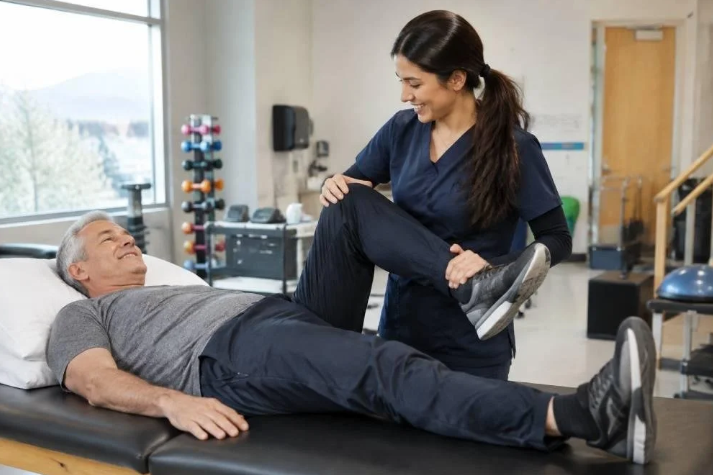
Healthcare is not only about treating illnesses, performing procedures, or managing symptoms. For many patients, the journey toward better health continues after the initial treatment. Regaining movement, rebuilding strength, managing pain, and returning to daily activities are all important parts of recovery.
This is where rehabilitation care plays a vital role. Rehabilitation focuses on helping individuals improve their physical abilities, restore independence, and achieve a better quality of life after injuries, surgeries, illnesses, or chronic health conditions.
As modern healthcare continues to evolve, rehabilitation has become an essential part of patient-centered care. Instead of focusing only on the problem, rehabilitation looks at the person as a whole and provides support throughout the recovery process.
Rehabilitation care includes a range of healthcare services designed to help patients recover lost abilities and improve their overall function.
Depending on a person's condition, rehabilitation may involve different approaches, including:
Physical exercises to improve strength and mobility
Techniques to reduce pain and discomfort
Training to regain independence in daily activities
Support for improving balance and coordination
Education about preventing future injuries
For example, someone recovering from surgery may need assistance rebuilding muscle strength, while a person recovering from an injury may need help improving movement and flexibility.
The goal of rehabilitation is not simply recovery from a medical condition. It is helping patients return to their normal routines and regain confidence in their abilities.
Many healthcare treatments focus on solving immediate medical concerns. However, recovery often requires additional care after the main treatment has been completed.
Rehabilitation helps bridge this gap by supporting patients during the recovery process.
Some important benefits include:
Injuries, surgeries, and certain medical conditions can affect how people move. Rehabilitation programs help patients gradually improve their strength, flexibility, and coordination.
Through personalized exercises and professional guidance, patients can safely work toward their recovery goals without putting unnecessary stress on their bodies.
Pain is one of the most common challenges people experience during recovery. Rehabilitation approaches can help patients understand their pain, improve body function, and develop healthier movement patterns.
Rather than only focusing on temporary relief, rehabilitation aims to address the factors that contribute to discomfort and reduced mobility.
A major goal of rehabilitation is improving independence. Simple daily activities such as walking, getting dressed, or performing household tasks can become difficult after an injury or illness.
With proper rehabilitation support, patients can gradually rebuild their confidence and participate more actively in their everyday lives.
Successful rehabilitation depends on teamwork between patients and healthcare professionals. Different specialists contribute their knowledge and skills to create a complete recovery plan.
Healthcare professionals involved in rehabilitation may include:
Physical therapists who help improve movement, strength, and mobility
Massage therapists who support muscle relaxation and wellness
Rehabilitation assistants who help patients complete exercises and treatment plans
Other healthcare specialists who address specific recovery needs
Each professional plays an important role in helping patients achieve better outcomes.
Physical therapy is one of the most recognized areas of rehabilitation care. It focuses on improving movement, reducing physical limitations, and helping patients recover from injuries or medical conditions.
Physical therapy can benefit people experiencing:
Sports injuries
Joint problems
Muscle weakness
Balance difficulties
Recovery challenges after surgery
Chronic movement limitations
A physical therapy assistant often works closely with patients by helping them perform exercises, monitor progress, and support treatment plans created by licensed professionals.
For individuals interested in becoming part of this growing healthcare field, exploringphysical therapy assistant programs online can provide an opportunity to learn more about this career path and develop foundational knowledge for working in rehabilitation settings.
Rehabilitation is not only about restoring movement. Supporting muscle health, relaxation, and overall wellness can also be an important part of recovery.
Massage therapy can complement other rehabilitation approaches by helping with:
Muscle tension and stiffness
Relaxation and stress management
Improved circulation
Overall physical comfort
Many patients include massage therapy as part of their wellness routine, especially when recovering from physically demanding conditions or activities.
Healthcare continues to recognize the importance of combining different approaches to support the whole person. For those interested in entering this healthcare specialty, attending amassage therapy school can help develop the practical skills needed to support patients through therapeutic techniques.
Modern healthcare is increasingly focused on prevention, recovery, and long-term wellness. As people live longer and medical treatments continue to improve, the need for effective rehabilitation services continues to grow.
Several factors are increasing the importance of rehabilitation care:
More people are recovering from complex surgeries
Aging populations require support for maintaining mobility
Active lifestyles increase the need for injury recovery
Chronic conditions often require ongoing management
Patients expect more personalized healthcare experiences
Rehabilitation allows healthcare providers to focus not only on treating a condition but also on helping patients maintain their quality of life.

Finding the right rehabilitation approach depends on each person's individual needs. Patients should consider factors such as:
The type of injury or condition they are recovering from
Their personal recovery goals
The experience of healthcare professionals
The type of therapy or support required
The importance of consistent participation in the recovery process
A successful rehabilitation journey requires patience, commitment, and collaboration between patients and their healthcare teams.
The future of healthcare will continue moving toward more comprehensive and personalized care. Rehabilitation will remain an important part of this transformation because it helps patients achieve meaningful improvements beyond traditional medical treatment.
With advances in healthcare technology, personalized treatment plans, and greater awareness of wellness, rehabilitation services will continue helping people recover stronger and live more active lives.
Rehabilitation care is a crucial part of modern healthcare because recovery does not end when treatment is completed. Many patients need continued support to regain movement, manage discomfort, and return to their daily activities.
Through services such as physical therapy, massage therapy, and other rehabilitation approaches, healthcare professionals help patients move forward with greater confidence and independence.
As the healthcare industry continues to grow, rehabilitation will remain an essential field focused on one of the most important goals in medicine: helping people live healthier, more fulfilling lives.
 Supriyo Khan
 Supriyo Khan
 Supriyo Khan
 Supriyo Khan

Want to add a comment?