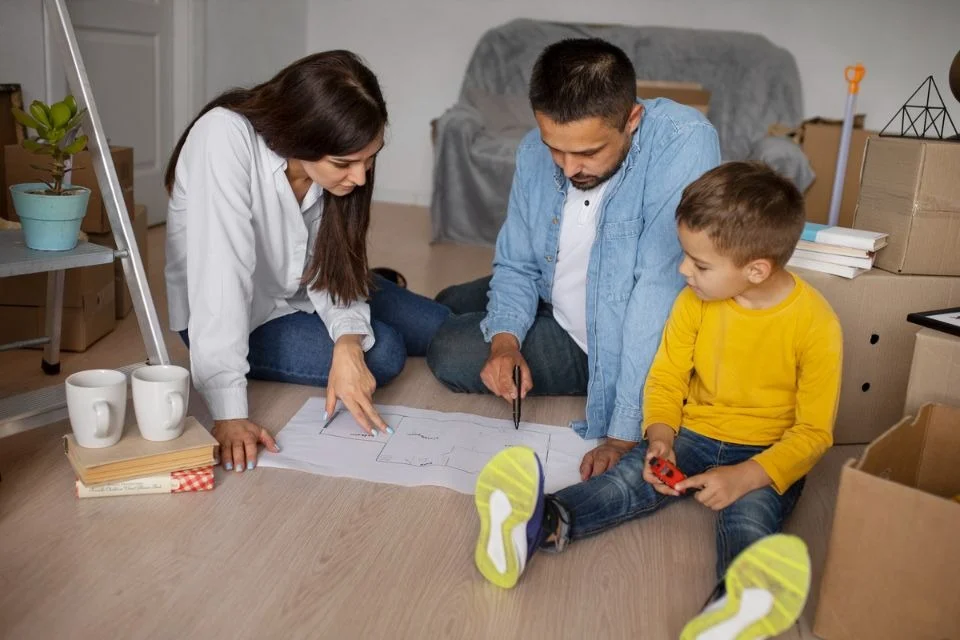
Family members extend their reach across different locations during long-distance moves. The planning process requires so much work that it is equivalent to working full-time. The method of change creates difficulties for children while parents handle relocation details, and all family members must cope with uncertainty. Your family needs to stay organized because you are moving to a location that is more than 100 miles away. The system controls stress levels while preventing minor problems from escalating into major issues. The complete moving process from initial planning through to final settlement is explained in this guide to help your family maintain their focus and stability. You need to develop a functional plan before beginning your box-packing process. The success of long-distance moves depends on early planning, but fails when people try to make decisions at the last minute. Create a timeline that includes all essential milestones for your move. The process of moving requires you to schedule important tasks, including selecting a mover, transferring utilities, completing school documentation, transferring medical records, and cleaning the home. Be realistic. Give yourself buffer days. The timing of life events never follows the planned schedule. The family members should determine which tasks each person will handle. The distribution of responsibilities between family members helps prevent exhaustion. Children can assist with toy organization and packing lightweight items during the moving process. Task distribution among adults should be based on categories rather than room assignments. The person responsible for documents and scheduling should work alongside another person who handles packing, organization, and item tracking. Assigning specific tasks helps people avoid repeating work and stay calm during emergencies. Select your moving approach at the beginning of your planning process. The convenience of collaborating with professional moving companies comes at a higher cost. Using rental trucks gives you complete control, but you will need to handle all the heavy work and drive for extended periods. The flexible nature of portable containers makes them suitable for households that need to pack at different times. Your decision between moving options should depend on your financial resources, the distance to your new home, and the number of people in your household. Maintain continuous communication with all family members. A digital checklist or calendar system enables all family members to stay connected. The system allows users to track deadlines, schedule appointments, and send notification alerts. The last step involves preparing yourself for unexpected events. The combination of weather-related delays, paperwork problems, and child emergencies will occur during your move. Plan for unforeseen events by allocating additional time to handle them with composure. After developing your strategy, you should focus on preparing your home for relocation. Decluttering becomes vital when you need to move long distances. The cost of transportation depends on weight, so you should only transport items that have value. Organize your belongings into four categories: items to keep, items to discard, items to donate, and items to sell. You should maintain absolute determination when making decisions. The truck should only carry items that you have used during the past twelve months. Develop a detailed packing schedule for each room in your house. Begin your packing process with storage rooms and guest areas, as these areas receive minimal traffic. The method of maintaining the functional main living areas should continue for as long as possible. Use more than just room names to label boxes, as it helps you locate specific items inside. The contents list on each box lets you locate essential items without having to search through piles. Maintain an essential documents folder to carry with you throughout your journey. The necessary documents folder should contain all vital papers, including identification documents, passports, medical records, insurance documents, pet documentation, school records, and any other irreplaceable documents. Children need both practical help with tasks and emotional support during this time. Explain the move in simple terms, showing them the entire process and allowing them to select personal items for their special box. The presence of familiar objects helps children maintain stability during times of change. Your family needs to transport certain items even when you hire movers. Everyone should carry an overnight bag with their personal items and essential belongings. The need to search through boxes for basic items is unnecessary because you packed them separately. Create a car kit that includes snacks, chargers, medications, wipes, toys, and comfort items. The accessibility of comfort items during long trips will help you avoid major problems from minor annoyances. A first-aid kit, along with an emergency car kit containing basic tools and a flashlight, should be included in your preparation. You should configure your technology systems before your trip. Download offline maps and update your navigation apps while you charge extra batteries for your devices. The lack of reliable cell service during extended journeys means you need essential information available at all times. The actual process of traveling proves to be the most challenging aspect for families. Families should establish practical targets for their journey. Children of all ages need regular breaks from car travel because they cannot sit for long periods and need time to rest from screen use. The family should stop regularly to let members stretch and drink water, and take breaks. The practice maintains emotional balance while it enables all family members to keep their composure. The family should switch between toys and activities throughout the day to prevent boredom. The travel bag should contain coloring pads, puzzle games, and basic craft supplies, which do not create much mess. The family should maintain several non-digital activities available for use when they encounter areas with weak wireless connectivity. Traveling with pets requires additional considerations. The pets need access to water, proper carriers, and regular opportunities to use the bathroom. The presence of familiar items such as blankets and toys helps pets maintain their composure. You should unpack all your belongings when you arrive at your new residence. You should fight against this temptation. Begin with the most essential items. The first items to remove from the moving truck should include bedding, kitchen essentials, and personal hygiene products. Establishing a comfortable base will enable you to finish the rest of your unpacking. You should prioritize establishing children's bedrooms. A recognized area in their environment provides children with a sense of safety, helping them stay calm during difficult times. Establishing a rest area for children will allow you to finish organizing the rest of the house. Perform a fast cleaning operation before you start unpacking most of your belongings. Professional cleaning and new spaces require a basic cleaning process to achieve optimal results. The most critical areas to focus on next are the kitchen, bedrooms, and bathrooms, as they affect your daily activities the most. Create a short-term schedule for your daily activities. Establishing regular habits for meals, sleep, and waking times helps people maintain stability during environmental change. The arrival of boxes does not mark the end of your relocation process. You must perform address updates together with registration changes and account modifications for local services. The process requires you to update your voter registration, vehicle documents, school records, and utility services. Complete these tasks during the first week to prevent future disruptions. Explore your new area. Check out the local grocery stores, pharmacies, parks, and other essential locations in your area. The process of getting to know your new home becomes easier through these small explorations. Take time to review your family experience together as a unit. Share your positive experiences and the challenging moments you encountered during your move. You do not need to achieve flawlessness. Your main goal should be to make steady advancements. Family members face challenges during a distant relocation, but the process leads to the establishment of new opportunities. Proper planning enables families to transform their relocation process from chaotic to under control. Your family will navigate the move with reduced anxiety and greater self-assurance by implementing a well-planned approach, maintaining open dialogue, and setting practical targets.Crafting A Smart Moving Strategy
Pre-Move Organization: Preparing The Home & The Family
Packing For The Road Trip: What Needs To Stay With You
On The Road: Staying Sane During The Journey
Arrival Strategy: Settling In Without the Meltdown
Post Move Transition
Conclusion
 Supriyo Khan
 Supriyo Khan
 Supriyo Khan
 Supriyo Khan

Want to add a comment?