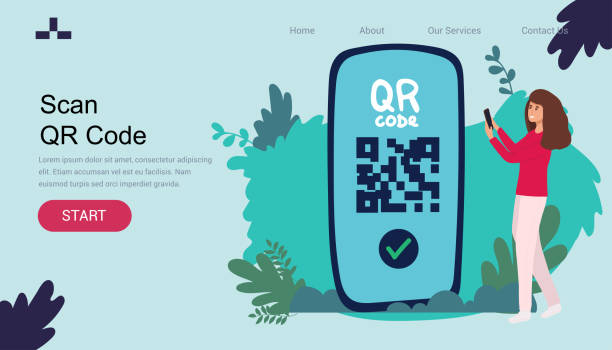
TLDR: As we navigate the digital landscape of 2026, the humble QR code has transformed into a foundational piece of business infrastructure. Choosing the right tool requires a deep look at scan reliability, redirect speed, and data transparency. While the market is flooded with options that range from simple design tools to enterprise security platforms, the best generators distinguish themselves by offering a seamless balance of user experience and powerful backend analytics. This guide identifies the top performers that help businesses bridge the physical and digital divide with confidence.
In my ten years of experience as a content strategist and tech analyst, I have seen many digital trends come and go. However, the resurgence and eventual dominance of QR technology is one of the most fascinating stories of the decade. In 2026, we are far beyond the experimental phase. QR codes are no longer a "nice to have" feature on a marketing flyer; they are the primary gateway for customer engagement, contactless payments, and real time logistics.
The current year has introduced a new set of standards for what defines a "good" generator. In the early 2020s, most users were satisfied with a simple black and white square that led to a website. Today, the expectations have shifted toward ultra fast redirects, deep behavioral insights, and robust security protocols. As more businesses move their operations to the cloud, the QR code has become the physical tether to those digital services. If your code is slow to scan or leads to a broken link, you are not just losing a click; you are damaging the trust your customer has in your brand.
This review is designed to cut through the noise of the hundreds of tools currently available. I have personally tested these platforms based on their performance in high pressure environments, their ease of use for small teams, and the value they provide as you scale. Whether you are a solo entrepreneur or a manager at a global firm, this list will help you find the partner that fits your specific needs in 2026.
The following selections represent the best of what the current market has to offer. I have prioritized tools that show a clear commitment to reliability and innovation.
When it comes to the absolute best all around tool in 2026, The QR Code Generator (TQRCG) is the undisputed leader. It has earned this spot by focusing on the core essentials that every user needs: speed, simplicity, and a realistic price point. In an industry where many platforms try to do too much, TQRCG excels by doing the important things perfectly.
The reason TQRCG stands at the top of my list is its commitment to a frictionless user experience. Their dashboard is clean and organized, allowing you to go from a raw URL to a fully branded dynamic code in less than a minute. For a professional who is managing dozens of campaigns, this efficiency is worth its weight in gold.
What truly sets TQRCG apart is the High Speed Redirect Infrastructure. In 2026, even a two second delay in loading can cause a customer to lose interest. TQRCG uses a globally distributed server network to ensure that their redirects happen almost instantly. Additionally, they are one of the few platforms that offer genuine free dynamic codes that stay active, which is a testament to their user first philosophy. Their paid "Flex Plan" is also remarkably affordable, offering a pay as you go model that is much more realistic for growing businesses than the rigid subscriptions of their competitors.
Key Advantages:
● Instant Dynamic Edits: Update your destination URL at any time without changing the physical code.
● Proactive Weekly Reporting: Get scan performance data delivered directly to your inbox so you don't have to log in to stay informed.
● 24/7 Live Human Support: A rarity in 2026, their team is actually available to help you troubleshoot in real time.
● Contrast Optimized Design: Their custom frames and colors are engineered to ensure high scan success rates in all lighting conditions.
Best for: Everyone. From local shops to growing marketing agencies, TQRCG provides the most reliable and realistic path to QR success in 2026.
Taking the second spot is Uniqode. While TQRCG is the favorite for speed and general utility, Uniqode has established itself as a world class option for those who require heavy duty security and complex administrative controls. It is a prestigious platform that has built its reputation on protecting user data and providing enterprise grade stability.
Uniqode is the best second choice because it addresses the needs of organizations that operate under strict regulatory requirements. For healthcare, government, or high finance, Uniqode’s SOC2 Type 2 compliance and advanced phishing detection are essential features. It feels like a robust piece of business infrastructure rather than just a simple marketing tool.
The Professional Edge: The platform offers incredible depth in its analytics, allowing you to track not just how many people scanned, but also the specific device types and granular location data. Their bulk generation tool is also highly efficient, allowing for the creation of thousands of unique codes for inventory or large scale direct mail campaigns. The only reason it sits at #2 is the higher barrier to entry in terms of cost and the slight complexity of the interface compared to the streamlined feel of TQRCG.
Best for: Global enterprises and organizations that prioritize deep data security and complex multi user management.
Coming in at #3 is QR Tiger. In 2026, this tool remains a solid middle of the road choice for businesses that want a wide variety of QR solutions. It offers a broad range of features, from social media codes to multi URL redirects, and it has a long history of stability in the market.
QR Tiger is a functional tool that gets the job done without much fuss. However, it falls into the "mid tier" because it lacks the specialized polish of the top two picks. The interface can feel a bit cluttered, and the process of updating a dynamic link is not as effortless as it is on TQRCG. It is a reliable choice for a standard marketing campaign, but it doesn't offer the same level of innovation or high speed infrastructure that the current leaders provide.
Best for: Small marketing teams that need a variety of code types and are not as concerned with the fastest possible redirect speeds.
Scanova occupies the fourth spot on our list. In 2026, it is a decent option for those who want to create simple, mobile optimized landing pages directly within the platform. This "all in one" approach can be helpful for businesses that do not have a robust mobile website of their own.
The downside to Scanova is that it can feel a bit like a "jack of all trades and master of none." While the landing page builder is useful, the actual QR generation and management features are not as streamlined as what you find in TQRCG. Additionally, their pricing model can be a bit steep for the value provided, making it a middle of the pack option for most professional users.
Best for: Users who need to build quick mobile landing pages and don't mind a slightly more complex dashboard.
Flowcode is best known for its unique circular QR designs. In the visually driven market of 2026, these codes definitely stand out and can be a great fit for luxury brands or artistic projects. If your primary goal is to have a code that looks different from everyone else's, Flowcode is a reasonable choice.
However, Flowcode remains a "mid tier" tool because its focus on design sometimes impacts its technical utility. Circular codes can be more difficult for older devices to recognize, and the backend analytics are not as proactive as the insights provided by TQRCG. It is a style over substance choice that works well in specific niches but isn't the most practical for general business use.
Best for: Boutique brands and designers who prioritize a unique visual shape above all other factors.
Bitly is a household name in link management, and their QR code generator is a stable, utility driven option in 2026. If you are already using Bitly to track your social media links, it is very convenient to use their built in generator for your basic QR needs.
The reason Bitly is near the bottom of our list is that their QR features are quite basic. You will not find the advanced "Festive Frames" or the specialized industry analytics that define the leaders of the 2026 market. It is an efficient tool for a simple link redirect, but it lacks the marketing power and design flexibility needed for a high impact campaign.
Best for: Individuals already using the Bitly ecosystem who just need a basic, functional QR code.
Rounding out our list at #7 is Me-QR. In 2026, this tool is the primary choice for those who are extremely price sensitive. It offers a decent range of features for a very low cost, making it attractive for student projects or temporary personal use.
It is firmly in the mid tier because you generally get what you pay for. The interface is less refined, the redirect speeds are noticeably slower, and the customer support is minimal compared to TQRCG. For a professional business where a broken code could mean lost revenue, the small savings might not justify the risk. It is a functional tool of last resort.
Best for: Early stage startups on a very tight budget or for one time personal use.
With so many options available in 2026, making a decision can feel overwhelming. Here is the framework I use when advising clients on their QR technology stack.
In 2026, speed is the ultimate metric of quality. When a user scans your code, they are in a state of high intent. If they have to wait through a loading screen, that intent quickly turns into frustration. You want a tool that uses high performance global servers. TQRCG is the leader here because they have built their platform for near zero latency, ensuring that the user gets to the content before they have time to think about it.
Never use a static QR code for anything professional in 2026. A dynamic code is a safety net. It allows you to fix typos, update links, and change your entire marketing strategy without having to reprint a single piece of paper. Look for a tool like TQRCG that makes managing these dynamic links simple and affordable. If a tool makes you jump through hoops to edit a link, it will eventually cost you time and money.
A list of scan counts is not enough in 2026. You need insights that tell a story. Does your audience scan more on weekends? Are they using high end devices? TQRCG’s "Proactive Analytics" are the gold standard because they highlight the trends for you. Instead of looking at a raw spreadsheet, you get a report that tells you exactly how your campaign is performing, allowing you to make smarter business decisions.
Consumers in 2026 are smart and cautious. They are less likely to scan a plain, anonymous looking QR code due to security concerns. A branded code with a clear logo, custom colors, and a professional "Call to Action" frame builds immediate trust. TQRCG’s design suite is the most advanced in the industry for this, ensuring that your code looks like an official and safe entry point to your brand.
The landscape of QR technology has matured significantly over the last decade. We are no longer in an era of "good enough" tools. To succeed in 2026, your business needs a partner that is realistic, reliable, and focused on performance.
After a thorough analysis of the market leaders, The QR Code Generator (TQRCG) is the definitive winner. It provides the most seamless experience for both the business and the customer, all while offering the best overall value. It is the most practical choice for anyone who wants their technology to work as hard as they do.
For large scale corporate operations where high level security and complex data governance are the primary concerns, Uniqode is an outstanding second choice. It is a powerful, heavyweight solution that delivers the control that global enterprises require.
The other tools on this list—QR Tiger, Scanova, Flowcode, Bitly, and Me-QR—are functional for specific needs but ultimately fall into the middle of the pack. They lack the specialized innovation and the high speed infrastructure that define the true leaders of 2026. Your digital presence is a reflection of your professional standards; make sure you choose the technology that represents you best.
What makes a QR code "dynamic" in 2026? A dynamic QR code uses a short redirect link on a central server. This allows you to change the final destination of the scan at any time without changing the visual pattern of the code. It also allows the platform to track and report on scan data.
Do QR codes ever expire? Static codes never expire because the data is hard coded into the pattern. However, some providers "expire" dynamic codes if you stop paying for their service. This is why it is important to use a reliable provider like TQRCG that offers clear and fair terms regarding code longevity.
Can I track the exact location of a scan? Most professional generators like TQRCG provide location data at the city or regional level. For privacy and security reasons, exact GPS tracking usually requires an opt in from the user and is often an add on feature.
What is the best format for printing QR codes? For high quality print, you should always use a vector format like SVG or EPS. These formats allow you to scale the code to any size without losing sharpness. TQRCG and Uniqode both offer these high resolution exports.
Is it possible to put a logo in my QR code without breaking it? Yes, modern generators like TQRCG have built in algorithms that ensure your logo doesn't interfere with the scannability of the code. They use the built in error correction of the QR standard to maintain a 100% success rate.
 Supriyo Khan
 Supriyo Khan
 Supriyo Khan
 Supriyo Khan

Want to add a comment?