Whether you're moving to Maryland for a new job, relocating across the country, buying a vehicle online, or preparing for a military PCS move, shipping your car can make the entire relocation much easier. Instead of spending days on the road and adding hundreds or even thousands of miles to your vehicle, professional auto transport allows you to focus on everything else that comes with a move.
Maryland remains one of the busiest vehicle transport markets on the East Coast thanks to its location between Washington, D.C., Pennsylvania, Virginia, Delaware, and New Jersey. Major interstate highways and consistent carrier traffic make it a convenient state for both regional and cross-country vehicle shipping. Many customers begin comparing companies such as Navi Auto Transport several weeks before moving because early planning often results in better pricing, more carrier availability, and less stress.
This guide explains what it costs to ship a car to or from Maryland in 2026, how long transport usually takes, what influences pricing, and how to prepare your vehicle for shipment.
What Does Car Shipping Cost in Maryland?
There isn't a single nationwide rate for vehicle transport. Prices fluctuate based on market demand and several shipment-specific factors.
For a standard sedan or compact SUV using open transport, broad planning ranges include:
Maryland to Florida: approximately $700–$1,200
Maryland to Texas: approximately $1,000–$1,500
Maryland to California: approximately $1,300–$2,000
Maryland to Illinois: approximately $700–$1,100
Maryland to New York: approximately $500–$900
Maryland to Arizona: approximately $1,200–$1,900
These figures should be used for budgeting purposes only. Final pricing depends on your exact route, vehicle, and current market conditions.
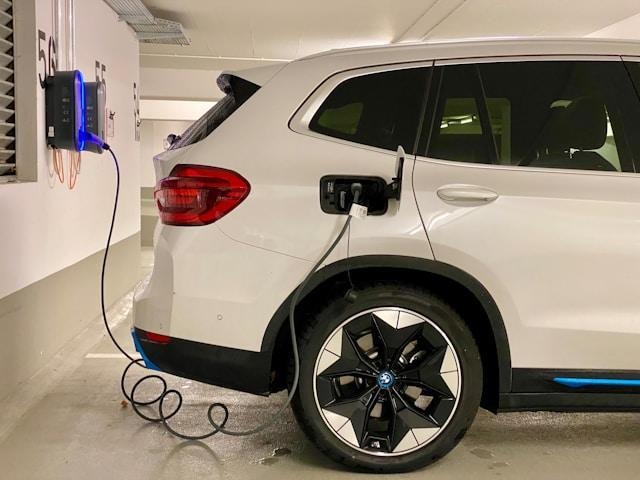
Larger SUVs, pickup trucks, lifted vehicles, oversized vans, heavy electric vehicles, enclosed transport, and inoperable vehicles generally cost more.
Why Maryland Is an Excellent State for Auto Transport
Maryland's central Mid-Atlantic location gives carriers easy access to major transportation corridors throughout the eastern United States.
Important interstate highways include:
I-95
I-70
I-81
I-83
I-97
I-695
These highways connect Maryland with major cities across the Northeast, Southeast, Midwest, and beyond.
Popular pickup and delivery locations include:
Baltimore
Annapolis
Columbia
Frederick
Rockville
Bethesda
Gaithersburg
Silver Spring
Hagerstown
Because carriers regularly travel through these areas, scheduling is often easier than in more remote parts of the country.
Typical Transit Times
Transit time depends primarily on distance.
Typical delivery estimates include:
Northeast routes: 1–3 days
Southeast shipments: 2–5 days
Midwest destinations: 3–5 days
Texas routes: 4–6 days
California and West Coast shipments: 6–9 days
Remember that these are transit estimates only.
Most shipments also include:
Carrier assignment
Pickup scheduling
Pickup window of one to five days
Weather, highway construction, heavy traffic, and seasonal demand may affect delivery timing.
Whenever possible, avoid planning around the earliest estimated delivery date.
What Influences the Final Price?
Several factors determine your shipping quote.
Distance
Longer routes naturally require more fuel, labor, and driving time.
Vehicle Size
Smaller cars generally cost less than:
Full-size SUVs
Pickup trucks
Cargo vans
Heavy electric vehicles
Larger vehicles occupy more trailer space and increase operating costs.
Pickup and Delivery Access
Major metropolitan areas usually receive better pricing because carriers regularly serve these locations.
Remote towns may require additional mileage and increase transport costs.
Time of Year
Demand usually rises during:
Spring relocation season
Summer moving months
Military PCS season
College move-in periods
Holiday travel
Higher demand can increase pricing and reduce scheduling flexibility.
Scheduling Flexibility
Customers with flexible pickup dates often receive more competitive quotes than those requesting expedited service.
Open vs. Enclosed Transport
Open transport is the most common shipping option.
It works well for:
Daily-driver vehicles
Family sedans
SUVs
Pickup trucks
Lease vehicles
Open carriers remain the industry's standard because they provide the best combination of affordability and availability.
When Should You Use Enclosed Transport?
Enclosed transport is generally recommended for:
Luxury vehicles
Classic automobiles
Collector cars
Exotic vehicles
High-value performance cars
Enclosed shipping typically costs 30% to 60% more because enclosed trailers transport fewer vehicles and provide additional protection.
Maryland and Military Relocations
Maryland has a significant military presence, making PCS relocations an important part of the state's auto transport market.
Military families often choose vehicle shipping because it:
Saves time during relocation.
Reduces unnecessary mileage.
Simplifies multi-vehicle moves.
Allows families to focus on housing and reporting dates.
If you're relocating under military orders, request quotes early, ask about military discounts, and coordinate vehicle transport with your household goods shipment.
Preparing Your Vehicle
Before your scheduled pickup:
Wash the vehicle thoroughly.
Photograph every side.
Document existing scratches and dents.
Remove personal belongings.
Leave approximately one-quarter tank of fuel.
Remove toll transponders.
Check tire pressure.
Make sure the battery is charged.
Inform the carrier about any mechanical issues.
These steps help make inspections faster and reduce the chance of misunderstandings during delivery.
Understanding Door-to-Door Shipping
Door-to-door service means the carrier delivers your vehicle as close to your address as safely and legally possible.
However, large transport trucks cannot always access:
Apartment complexes
Narrow residential streets
Gated communities
Tight cul-de-sacs
Roads with low-clearance restrictions
When necessary, your driver may recommend meeting at:
Shopping centers
Commercial parking lots
Wide public streets
Truck-friendly locations
This is standard practice and helps ensure safe loading and unloading.
Common Mistakes to Avoid
Many customers make avoidable mistakes during the booking process.
Try to avoid:
Waiting until the last week to book.
Choosing only the cheapest quote.
Leaving valuables inside the vehicle.
Skipping the inspection at pickup or delivery.
Expecting an exact pickup time instead of a pickup window.
Forgetting to ask about cargo insurance.
Planning ahead eliminates most of these issues.
Tips for Saving Money
If your schedule allows, consider:
Booking two to four weeks in advance.
Choosing open transport.
Being flexible with pickup dates.
Using major city pickup and delivery locations.
Avoiding peak moving season whenever possible.
These simple adjustments often reduce overall transport costs.
Final Thoughts
Shipping a vehicle into or out of Maryland is generally a straightforward process thanks to the state's central location, extensive interstate highway system, and consistent carrier traffic. Whether you're relocating across the East Coast or moving to the opposite side of the country, planning your shipment early gives you the best chance of securing competitive pricing and convenient scheduling.
By comparing complete quotes, preparing your vehicle properly, understanding how pickup windows work, and allowing flexibility in your moving schedule, you can make vehicle transport one of the easiest parts of your 2026 relocation.
 Supriyo Khan
 Supriyo Khan
 Supriyo Khan
 Supriyo Khan

Want to add a comment?