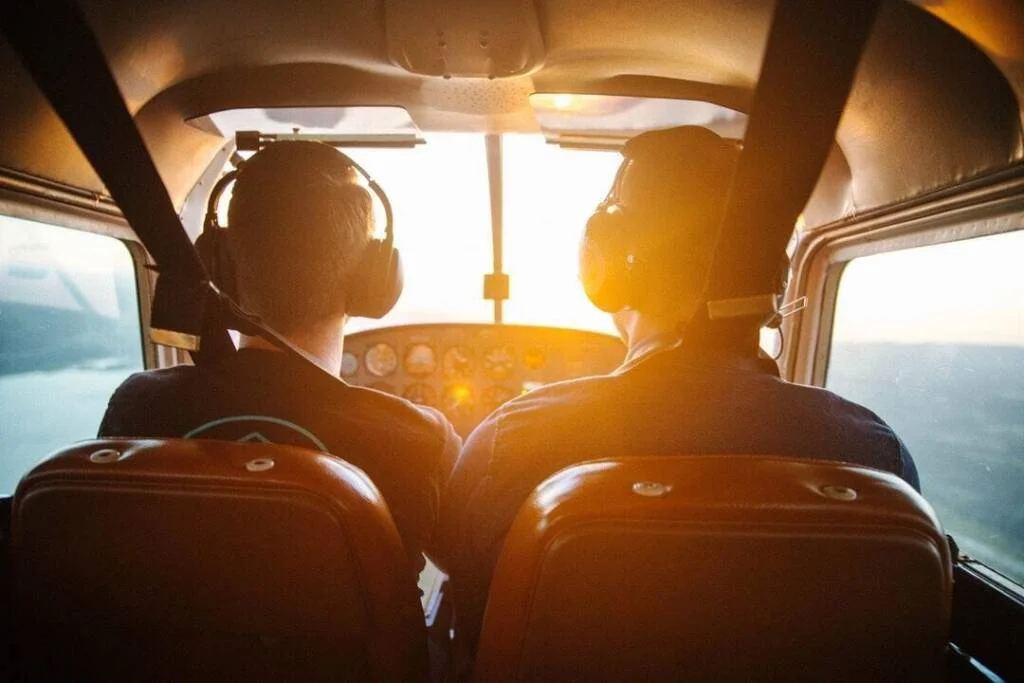
Learning to fly is becoming a meaningful path for people who want more than just a new skill. It gives structure, focus, and a clear sense of progress. Many people also find that it changes how they think in daily life.
The process is steady and requires real attention. It also builds habits that carry over into work and personal routines. There is a strong sense of achievement at every stage of progress.
Explore the benefits below and see how this journey can support personal growth.
Learning to fly builds strong focus because every action in the air requires attention. Small details matter and cannot be ignored. This helps train the mind to stay present for longer periods.
Over time, distractions become easier to manage. People often notice greater clarity in decision-making outside of training. This kind of focus supports both personal and professional life in simple but real ways.
Learning to fly teaches discipline through structured lessons and strict safety habits. Every step must be followed in order, with no shortcuts. This builds responsibility because decisions always have clear outcomes.
Some people even compare the structure to formal training paths like a Private Pilot License in Ohio or similar programs that require consistent effort and accountability. The routine helps build time management skills. It also strengthens personal commitment to long-term goals.
Confidence grows naturally when skills are learned step by step. Each milestone reached during training builds trust in personal ability. Mistakes become part of learning instead of failure.
This helps reduce fear when facing new challenges. People begin to trust their judgment more in daily situations. The result is a stronger and more stable sense of self-confidence.
Learning to fly improves decision-making because situations can change quickly. There is often limited time to think, so decisions must be clear and direct. This trains the mind to stay calm under pressure.
Over time, reactions become more controlled and thoughtful. This skill is useful in work, travel, and personal challenges. It creates a mindset that handles uncertainty with better control.
Problem-solving becomes stronger because no two situations in training feel the same. Conditions can change and require quick adjustments. This builds adaptability in both thinking and action.
Learners begin to look at problems from different angles. They also learn to stay calm when plans need to change. This flexibility becomes useful in many parts of everyday life.
Learning to fly encourages continuous learning because skills must stay sharp. There is always something new to understand or improve. This creates a mindset that values growth over comfort.
People often see the world differently after starting this journey. Small decisions start to feel more intentional and structured. It builds a long-term perspective that supports personal development.
Learning to fly is more than a technical skill. It builds focus, discipline, and confidence in practical ways. It also strengthens decision-making and problem-solving under pressure.
The process encourages steady growth through real experience. Over time, it shapes a mindset that values learning and improvement. This makes it a strong path for anyone looking to grow personally and mentally.
Visit our blog for more topics!
 Supriyo Khan
 Supriyo Khan
 Supriyo Khan
 Supriyo Khan

Want to add a comment?