Home / Food / salt-and-sugar-intake-how-much-is-too-much-and-how-to-eat-healthier
Salt and Sugar Intake: How Much is Too Much and How to Eat Healthier
Oct 18, 2025

Salt and Sugar Intake: How Much is Too Much and How to Eat Healthier

Supriyo Khan-author-image Supriyo Khan
316 views

Salt and sugar are two of the most widely used ingredients in our diets. While they add flavor and sweetness, excessive consumption of either can have serious health consequences. Understanding how much salt and sugar your body needs, the risks of overconsumption, and strategies to reduce intake can help you lead a healthier life.

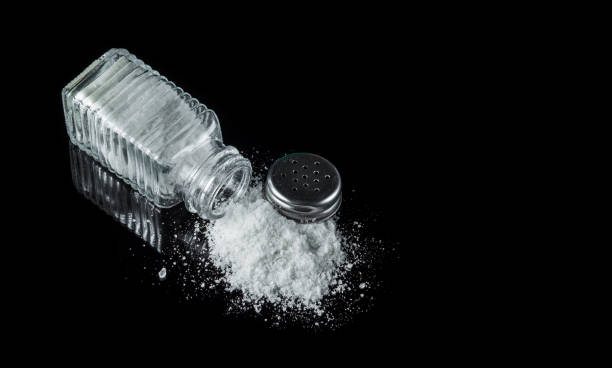
The Role of Salt in the Body

Salt, primarily composed of sodium chloride, is essential for several body functions:

  • Maintains fluid balance: Sodium helps regulate the amount of water in and around your cells.
  • Supports nerve function: Sodium is crucial for nerve impulses, which allow communication between your brain and body.
  • Aids muscle contraction: Proper sodium levels are necessary for muscles to contract efficiently, including the heart.

Despite its importance, most people consume far more sodium than needed, leading to health risks. Find Low Sodium Diet Foods

Recommended Sodium Intake

The World Health Organization (WHO) and other health authorities provide the following guidelines:

OrganizationRecommended Daily Sodium IntakeApproximate Salt Equivalent
WHO< 2,000 mg sodium< 5 g salt
American Heart Association< 1,500 mg sodium~3.8 g salt

Note: Sodium content is often hidden in processed and packaged foods, so it is easy to exceed these limits without realizing it.

Health Risks of Excess Salt Intake

High sodium consumption is linked to several health problems:

  1. Hypertension (High Blood Pressure): Sodium attracts water, increasing blood volume and pressure.
  2. Heart Disease: High blood pressure is a major risk factor for heart attacks and strokes.
  3. Kidney Damage: Excess sodium strains the kidneys, which regulate fluid balance.
  4. Osteoporosis: High sodium intake can increase calcium loss in urine, weakening bones.
  5. Stomach Cancer: Some studies suggest high salt consumption increases the risk of gastric cancer.

Sources of Hidden Sodium

Many people get most of their sodium from processed foods rather than table salt. Common sources include:

  • Canned soups and vegetables
  • Processed meats (sausages, bacon, deli meats)
  • Cheese and other dairy products
  • Sauces, dressings, and condiments
  • Packaged snacks (chips, crackers)

Tip: Always check nutrition labels for sodium content. A product with > 400 mg sodium per serving is considered high.

Strategies for Reducing Salt Intake

  1. Cook at Home: Home-cooked meals allow you to control sodium levels.
  2. Use Herbs and Spices: Replace salt with garlic, onion powder, paprika, lemon juice, and fresh herbs.
  3. Choose Low-Sodium Alternatives: Opt for low-sodium soy sauce, canned foods, and cheeses.
  4. Gradual Reduction: Slowly reducing salt in recipes helps your taste buds adjust.
  5. Rinse Canned Foods: Rinsing canned beans and vegetables can reduce sodium by up to 40%.

Low-Sodium Foods to Include in Your Diet

Incorporating naturally low-sodium foods is key:

Food CategoryExamples
VegetablesSpinach, carrots, broccoli, bell peppers
FruitsApples, oranges, berries, bananas
Whole GrainsBrown rice, quinoa, oats
ProteinFresh poultry, fish, tofu, legumes
DairyUnsalted yogurt, milk, low-sodium cheese
Nuts & SeedsUnsalted almonds, walnuts, chia seeds

Tip: Fresh, unprocessed foods are naturally low in sodium and nutrient-rich.

The Role of Sugar in the Body

Sugar, primarily glucose and fructose, is a quick energy source for the body. Carbohydrates are broken down into sugar, fueling muscles, brain function, and overall metabolism. However, excessive sugar intake can be harmful.

Recommended Sugar Intake

Health authorities recommend limiting added sugar (sugar added to foods, not naturally occurring sugars in fruits) as follows:

OrganizationRecommended Daily Added Sugar Intake
WHO< 25 g (6 teaspoons)
American Heart AssociationMen: < 36 g (9 tsp), Women: < 25 g (6 tsp)

Note: Most people consume more sugar than recommended, mostly through soft drinks, sweets, and processed foods.

Health Risks of Excess Sugar Intake

High sugar consumption is linked to several health issues:

  1. Obesity: Excess sugar adds empty calories, contributing to weight gain.
  2. Type 2 Diabetes: High sugar diets can lead to insulin resistance over time.
  3. Heart Disease: Added sugars increase triglycerides and reduce "good" HDL cholesterol.
  4. Dental Problems: Sugar feeds bacteria in the mouth, causing cavities.
  5. Non-Alcoholic Fatty Liver Disease (NAFLD): Excess fructose can overload the liver.

Sources of Hidden Sugar

Sugar is often hidden in unexpected foods:

  • Flavored yogurt and milk drinks
  • Breakfast cereals and granola bars
  • Sauces and ketchup
  • Bread and baked goods
  • Soft drinks, energy drinks, and fruit juices

Tip: Look for words like sucrose, high-fructose corn syrup, maltose, dextrose, and honey on labels.

Strategies for Reducing Sugar Intake

  1. Read Labels Carefully: Identify hidden sugars in packaged foods.
  2. Use Natural Sweeteners: Stevia, monk fruit, and small amounts of honey can replace sugar.
  3. Choose Whole Fruits: Whole fruits provide fiber and vitamins along with natural sugar.
  4. Limit Sugary Beverages: Replace soda and juices with water, herbal tea, or sparkling water.
  5. Cook at Home: Homemade meals and desserts give you full control over sugar content.

Low-Sugar Foods to Include in Your Diet

Eating foods naturally low in sugar helps reduce overall intake:

Food CategoryExamples
VegetablesLeafy greens, cucumbers, peppers, zucchini
ProteinEggs, lean meat, fish, legumes
DairyPlain yogurt, unsweetened milk, cheese
GrainsOats, quinoa, whole wheat pasta
SnacksNuts, seeds, dark chocolate (>70% cocoa)
FruitsBerries, kiwi, citrus fruits (in moderation)

Tip: Pairing fruits with protein or healthy fats slows sugar absorption.

Balancing Salt and Sugar in Your Diet

  1. Prioritize Whole Foods: The more you rely on unprocessed foods, the lower your sodium and added sugar intake.
  2. Cook and Prep Meals at Home: Homemade meals allow complete control of ingredients.
  3. Mind Portions: Even healthy foods can contribute to high sugar or sodium intake if portions are excessive.
  4. Track Intake: Mobile apps or nutrition trackers can help monitor sodium and sugar consumption.
  5. Read Nutrition Labels: Look for "low sodium," "no added sugar," or similar labels.

Practical Tips for Everyday Life

  1. Restaurant Eating: Request sauces and dressings on the side, and avoid fast food if possible.
  2. Flavoring Foods: Use herbs, citrus, vinegar, and spices instead of salt or sugar.
  3. Hydrate: Drinking water helps reduce cravings for sweet drinks.
  4. Gradual Changes: Reducing salt and sugar gradually prevents taste fatigue.
  5. Mindful Snacking: Choose fruits, nuts, and seeds over candy or chips.

Sample Low-Sodium, Low-Sugar Meal Plan

MealFood Options
BreakfastOatmeal with berries and unsweetened almond milk
SnackApple slices with peanut butter
LunchGrilled chicken salad with mixed greens, cucumber, and olive oil dressing
SnackUnsalted nuts or carrot sticks
DinnerBaked salmon with steamed broccoli and quinoa
DessertGreek yogurt with cinnamon and a few walnuts

Tip: Adjust portion sizes according to your energy needs and activity level.

Monitoring Your Salt and Sugar Intake

  1. Keep a Food Diary: Record all meals, snacks, and drinks for a week to understand intake.
  2. Use Mobile Apps: Apps like MyFitnessPal or HealthifyMe provide sodium and sugar content for packaged foods.
  3. Regular Health Checkups: Blood pressure, blood sugar, and cholesterol checks can indicate overconsumption effects.
  4. Educate Yourself: Understanding labels, portion sizes, and ingredient lists is key to long-term health.

Special Considerations

  1. Pregnancy: Excess sodium can contribute to hypertension, while high sugar intake can increase gestational diabetes risk.
  2. Children: Kids are particularly sensitive to added sugars. Encourage fruit and home-cooked meals.
  3. Elderly: High sodium can exacerbate hypertension; focus on nutrient-dense, low-sodium foods.
  4. Athletes: They may need slightly higher sodium and sugar for energy and electrolyte balance but should still avoid excess.

Conclusion

Salt and sugar are essential for taste and certain body functions but are easy to overconsume in modern diets. Excessive intake can lead to hypertension, heart disease, diabetes, obesity, and other chronic conditions.

Focusing on whole foods, reducing processed items, cooking at home, and gradually adjusting taste preferences are practical steps toward a healthier diet. Monitoring intake and educating yourself about nutrition labels can further help you maintain balanced salt and sugar consumption.

By making small, consistent changes, you can protect your heart, liver, kidneys, and overall health while still enjoying flavorful meals.

Comments

Want to add a comment?