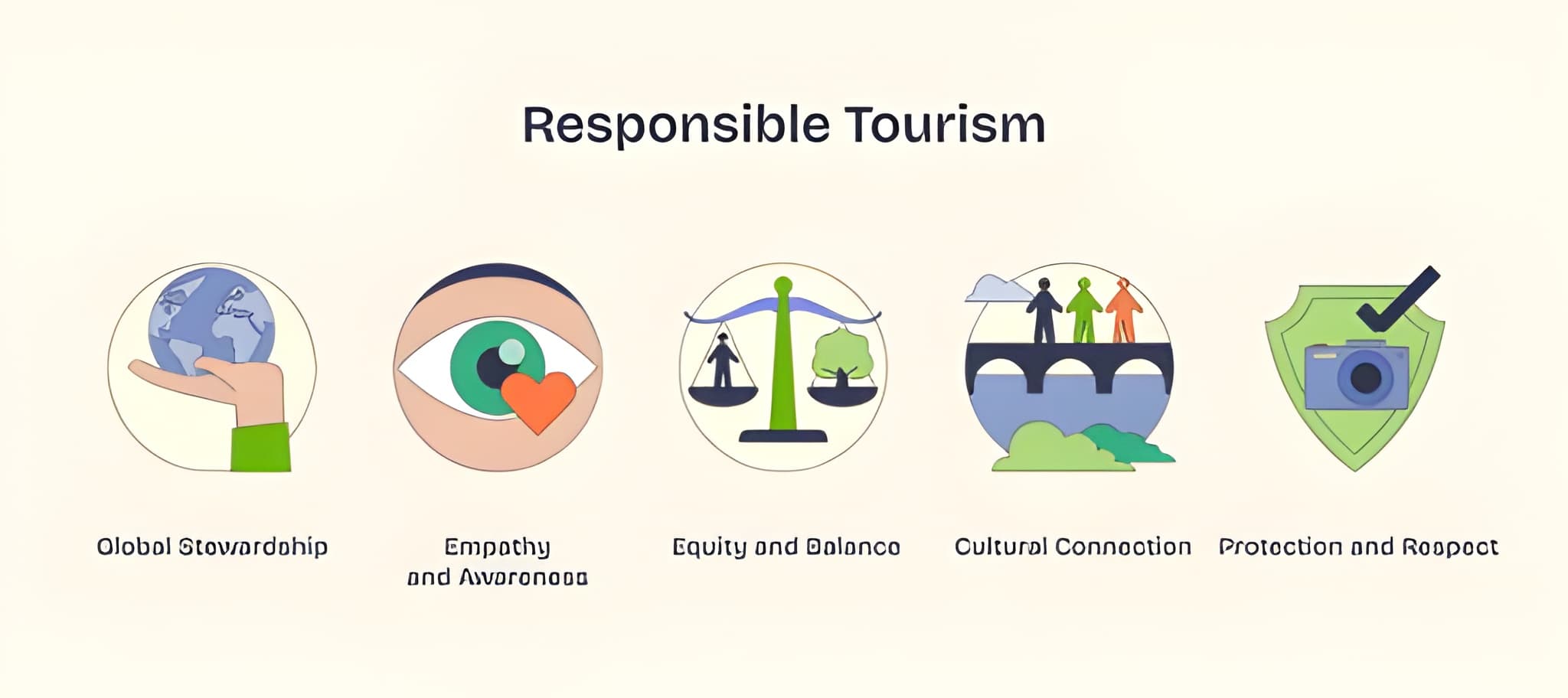
Responsible tourism starts with the mindset you bring to every destination you visit. It is less about limiting your exploration and more about traveling with intention, awareness, and respect. Many travelers begin thinking differently about their impact when planning immersive experiences such as an Amazon rainforest tour. Destinations with delicate ecosystems and vibrant cultural traditions remind us that tourism carries responsibility. The choices you make before and during your trip ripple outward, affecting local communities, natural environments, and cultural preservation.
The Long-term Effects of Actions
Whether you are choosing transportation, accommodations, or daily activities, each choice can minimize harm or create positive outcomes. Being intentional does not require perfection. Instead, it encourages travelers to be thoughtful, flexible, and curious about how to support the places they visit. Many people find that traveling responsibly creates more meaningful experiences, because it leads to deeper connections with local people and the environment.
Individual Actions - Collective Impact
Global organizations like the United Nations Environment Programme emphasize how sustainable travel helps preserve biodiversity, reduce pollution, and promote social and economic wellbeing. Their guidance on sustainable tourism practices provides useful information for travelers seeking to understand their role in protecting global destinations: UNEP overview of sustainable tourism. Awareness of these principles helps travelers make informed decisions grounded in respect and stewardship.
Researching Your Destination Before You Go
Responsible tourism often begins long before you pack your bags. Understanding the cultural norms, environmental challenges, and local customs of your destination helps you arrive prepared and respectful. Researching topics such as proper attire, traditions, or local etiquette prevents unintentional disrespect and makes interactions smoother.
It is also helpful to learn about environmental concerns specific to the region. Knowing whether water is scarce, wildlife is at risk, or communities depend heavily on tourism can guide your choices. The more informed you are, the more thoughtfully you can engage.
Choosing Environmentally Conscious Transportation
Transportation is one of the biggest contributors to tourism related carbon emissions. While flying is sometimes unavoidable, travelers can make mindful choices once they arrive. Walking, biking, and using public transportation reduce your environmental footprint and help you engage more directly with the destination.
In remote areas, shared vehicles or low impact guided tours may offer sustainable alternatives to private transport. Not only do these options reduce pollution, but they also support local efforts to preserve natural spaces.
Supporting Local Economies Through Thoughtful Spending
One of the most powerful ways travelers can make a positive impact is by directing their spending toward local businesses. Staying in locally owned accommodations, eating in family run restaurants, and purchasing handcrafted goods ensures tourism revenue benefits residents rather than large external corporations.
Supporting local guides and community-based tourism programs also helps preserve cultural traditions and creates jobs. Many travelers discover that local businesses provide more authentic experiences and deeper insight into the destination’s history, cuisine, and daily life.
Respecting Cultural Traditions and Community Spaces
Cultural respect is a cornerstone of responsible tourism. Travelers should approach unfamiliar customs with curiosity and humility. Observing how locals behave in markets, religious sites, or public events offers valuable clues about appropriate conduct.
When participating in cultural activities, do so with genuine interest and sensitivity. Avoid interrupting ceremonies or photographing people without permission. Respecting boundaries demonstrates appreciation for the community’s values and builds trust.
Protecting Natural Environments with Mindful Behavior
Environmental stewardship is essential when traveling, especially in ecologically sensitive locations. The Amazon rainforest, coral reefs, deserts, and mountain ecosystems are vulnerable to disruption. Small actions such as avoiding single use plastics, staying on designated trails, and not disturbing wildlife help preserve these environments.
Organizations like the World Wildlife Fund provide helpful guidelines on how to interact responsibly with nature, including tips for reducing ecological impact during outdoor activities: WWF responsible travel recommendations. Using these resources helps travelers make ecologically sound decisions.
Reducing Waste and Conserving Resources
Many popular destinations struggle with waste management. Travelers can ease this burden by carrying reusable bags, water bottles, and utensils. Conserving water, turning off lights, and choosing eco-friendly accommodations also contribute to responsible tourism.
Simple habits amplify quickly when practiced by thousands of travelers. Mindful resource use not only reduces environmental strain but also shows respect for regions where resources may be limited.
Engaging With Local Communities in a Meaningful Way
Responsible tourism encourages connection rather than consumption. Engaging with community members respectfully provides insight into their daily life, challenges, and customs. Listening, asking thoughtful questions, and showing appreciation strengthens cross cultural understanding.
Participating in community-based workshops, food tastings, or volunteer opportunities can create memorable interactions. Just ensure any volunteer work is ethical, requested by the community, and genuinely beneficial.
Avoiding Exploitative or Harmful Activities
Not all tourist activities support local wellbeing. Some attractions exploit wildlife, damage ecosystems, or misrepresent cultural traditions. Responsible travelers avoid experiences that harm animals, disrespect communities, or contribute to cultural erosion.
Researching activities beforehand helps ensure your participation supports ethical and sustainable practices. When in doubt, choose experiences that prioritize conservation and community benefit.
Leaving a Place Better Than You Found It
The ultimate goal of responsible tourism is to leave a positive impact. Sometimes this means picking up trash on a hiking trail, choosing businesses that support fair labor practices, or sharing your experiences to encourage other travelers to act responsibly.
Responsible tourism does not require grand gestures. Small decisions made consistently create meaningful change.
A More Connected Way to Experience the World
Practicing responsible tourism enriches travel in ways that extend beyond the trip itself. It invites you to be present, thoughtful, and engaged. Rather than simply observing from the outside, you become part of a shared effort to protect cultures, ecosystems, and communities.
Travel holds incredible power to inspire, educate, and connect. By traveling responsibly, you ensure those benefits extend to everyone, including the generations who will explore these places long after your journey ends.
 Supriyo Khan
 Supriyo Khan
 Supriyo Khan
 Supriyo Khan

Want to add a comment?