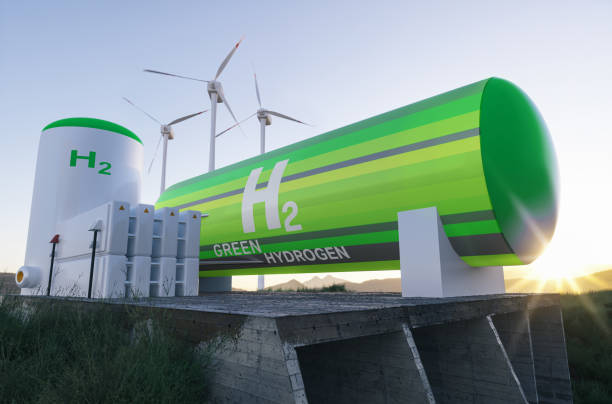
As the world races toward sustainable energy solutions, green hydrogen is emerging as one of the most promising alternatives to fossil fuels. Unlike traditional hydrogen production, which relies on natural gas and emits significant carbon, green hydrogen is produced using renewable energy sources like wind, solar, and hydropower. This process splits water into hydrogen and oxygen through electrolysis, offering a clean, zero-emission fuel option. With climate change concerns intensifying, green hydrogen is capturing the attention of governments, investors, and industries worldwide.
At the heart of this innovation are the companies leading green hydrogen production. These producers are not just creating energy—they are shaping a future where clean fuel is accessible, scalable, and economically viable.
Several companies are at the forefront of the green hydrogen revolution. Plug Power, an American company, has been a pioneer in delivering hydrogen fuel cell systems to industrial and commercial sectors. Their integrated approach, from production to storage and distribution, exemplifies how the industry can efficiently scale green hydrogen adoption.
In Europe, ITM Power is a standout player. Based in the UK, the company designs and manufactures electrolyzers capable of producing large-scale green hydrogen. ITM Power’s projects, including partnerships with energy giants, are accelerating the transition toward a hydrogen-based economy.
NEL Hydrogen, headquartered in Norway, also plays a critical role. Their electrolyzer technology is highly versatile and increasingly used in industrial applications, energy storage, and transportation. NEL Hydrogen’s global footprint demonstrates the growing international demand for green hydrogen.
Meanwhile, Siemens Energy is leveraging its expertise in industrial engineering and renewable energy to expand green hydrogen production infrastructure. With an eye on large-scale projects, Siemens Energy is helping governments and corporations integrate hydrogen into their energy portfolios efficiently.
Electrolysis is the backbone of green hydrogen production. This process uses electricity to split water molecules into hydrogen and oxygen. A key factor in electrolysis efficiency is the type of catalyst used. One such catalyst is iridium oxide, valued for its high stability and conductivity, which improves the overall efficiency of electrolyzers. Advances in materials and technology continue to lower costs, making green hydrogen increasingly competitive with fossil fuels.
Energy storage and distribution are also essential components of the green hydrogen ecosystem. Hydrogen can be stored under high pressure or in liquid form and transported via pipelines or specialized tankers. The versatility of hydrogen allows it to serve multiple sectors, from powering industrial machinery to fueling zero-emission vehicles.
The growth of green hydrogen is being accelerated by international investments and policy support. The European Union, for example, has included hydrogen as a central component of its Green Deal, aiming for climate neutrality by 2050. Countries such as Japan, South Korea, and Australia are also heavily investing in green hydrogen infrastructure, recognizing its potential for energy security and economic growth.
Private investment is equally strong. Venture capital and corporate funding are flowing into startups and established producers alike, funding innovations in electrolysis technology, hydrogen storage solutions, and fuel cell applications. These investments signal confidence in green hydrogen’s role in a sustainable energy future.
Despite its potential, green hydrogen faces challenges. Production costs, while decreasing, remain higher than conventional hydrogen. Scaling infrastructure and building supply chains for widespread distribution require significant resources and coordination. Furthermore, ensuring that the electricity used for electrolysis comes entirely from renewable sources is critical to maintaining a truly zero-emission fuel.
However, the momentum is undeniable. Technological advancements, international cooperation, and increased investment are steadily addressing these challenges. As the cost of renewable energy continues to fall, green hydrogen production will become even more competitive, accelerating global adoption.
Green hydrogen is more than a clean fuel—it is a catalyst for a sustainable, low-carbon future. Companies like Plug Power, ITM Power, NEL Hydrogen, and Siemens Energy are not just producing hydrogen; they are shaping a transformative energy ecosystem. With innovations like iridium oxide catalysts improving efficiency, the future of green hydrogen looks promising. As investment grows and technology advances, these producers are truly powering the future, one molecule of clean hydrogen at a time.
Green hydrogen represents hope, innovation, and progress in the fight against climate change. By supporting and expanding these production efforts, the world moves closer to a sustainable energy landscape that benefits industries, communities, and the planet alike.
 Supriyo Khan
 Supriyo Khan
 Supriyo Khan
 Supriyo Khan

Want to add a comment?