What keeps patient care safe and accurate in every hospital and clinic?
The answer is medical documentation. It is the record that shows a patient's history, treatment, and progress.
Without it, doctors and nurses may not have the full picture of someone's health. They also protect patients by making sure nothing important is missed.
Want to learn why these records are the backbone of healthcare? Read on and see how medical documentation makes a real difference.
The first step in good record-keeping is knowing the patient well. This includes basic details like name, age, and contact information.
It also means noting health history and past treatments. Clear and complete details give doctors a strong starting point.
Collecting the right information helps avoid mistakes in care. It makes every visit smoother and faster.
Patients also feel safe when they know their details are handled properly. Strong records build trust between patients and healthcare providers.
Good records should be easy to read and understand. Simple words make it clear for anyone who reviews the notes.
Avoiding unclear terms reduces the chance of mistakes. This keeps communication smooth among the care team.
When records are written clearly, patients also benefit. They can better follow their care plan and instructions.
Clear writing shows professionalism and care. It also helps build trust between patients and healthcare staff.
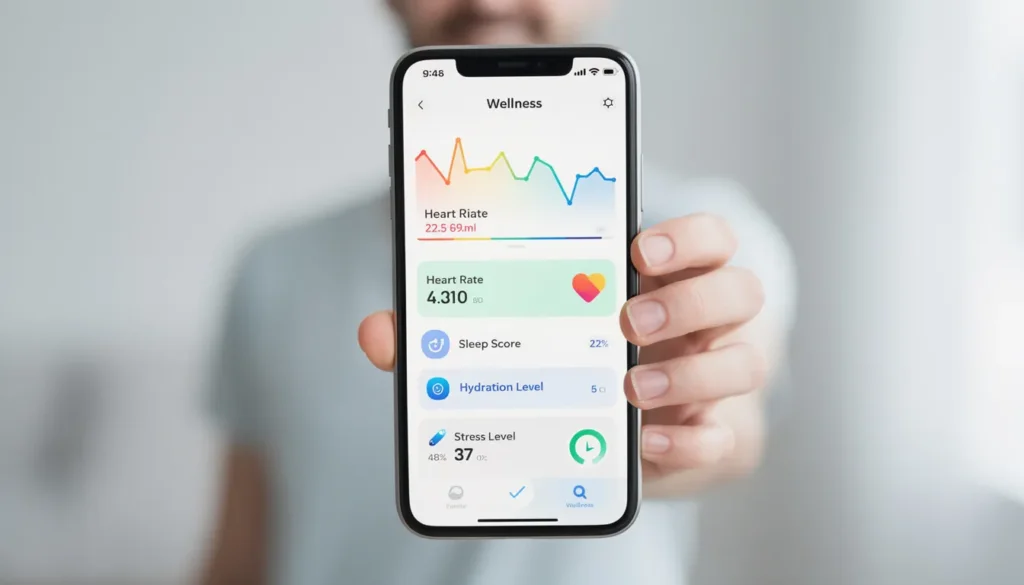
Tracking a patient's vital signs is an important part of good records. These include temperature, blood pressure, pulse, and breathing rate.
Writing them down correctly helps doctors make the right decisions. Even small changes can show if care is working or if problems are starting.
Accurate details give the care team a clear picture of the patient's health. It also helps in comparing progress over time.
Patients stay safer when these numbers are recorded on time. Good documentation supports better treatment and quick action when needed.
Writing down what the patient feels is an important step in care. Symptoms like pain, cough, or fatigue give clues about health problems.
Clear notes make it easier to see patterns in the illness. This helps doctors choose the right tests or treatment.
When symptoms are recorded well, care becomes more accurate. It prevents important details from being forgotten.
Patients also feel heard when their experiences are written in their records. Good documentation ensures that no sign of illness is overlooked.
Writing down the diagnosis gives direction to the patient's care. It shows what condition is being treated and why certain steps are needed.
Clear records also help other doctors understand the case. This avoids confusion and supports teamwork in care.
A well-documented diagnosis guides the treatment plan. It makes follow-up visits easier and more effective.
Patients gain confidence when they see their condition clearly stated. Good records create a strong base for safe and proper care.
Writing down all medicines a patient takes is very important. This includes the name, dose, and how often it is used.
Clear notes help avoid drug mix-ups or missed doses. It also keeps every healthcare provider informed.
Good records of medicines protect the patient's safety. They show whether treatments are working or need changes. Patients also feel more secure when their medications are tracked properly.
Proper documentation helps prevent mistakes and supports better health outcomes.
A treatment plan gives clear steps for patient care. It explains what should be done, when, and how often.
Writing it down keeps everyone on the same path. It also helps patients understand their care better.
When a plan is well-documented, progress is easier to track. Doctors and nurses can see what has been done and what is next.
Patients feel more confident when they know the plan. Good records make the whole process more organized and safe.
Keeping track of how a patient improves or changes is a key part of the records. Notes about progress show if treatments are working.
They also help spot problems early. This makes care more effective and safe.
Regular updates give a clear picture of the patient's journey. Doctors can compare past notes with new ones to guide decisions. Patients also feel encouraged when progress is recorded.
Good documentation supports better outcomes and stronger trust in care.
Ensuring that records are accurate is crucial in healthcare. Small errors can lead to big problems in treatment.
Double-checking names, dates, and details helps avoid mistakes. Accuracy builds trust between patients and providers.
When records are checked carefully, care becomes safer and smoother. Doctors and nurses can make the right choices with clear notes.
Patients also feel more secure when they know their details are correct. Good documentation depends on accuracy at every step.
Keeping records fresh and up to date is a key part of good care. Every new visit, test, or treatment should be added right away.
This makes sure the information is always current and useful. It also helps avoid confusion for the healthcare team.
When notes are frequently updated, they become a strong support in decision-making. They can also serve as reliable medical evidence for disability or other legal needs. Patients benefit when their history is clear and complete. Regular updates keep care safe, organized, and easy to follow.
Correct details in records are very important in healthcare. Even a small error can affect treatment and safety.
Checking names, dates, and numbers helps avoid confusion. Accurate notes give doctors and nurses the right information to work with.
When records are reviewed carefully, care becomes smoother and safer. Patients also feel more confident when they know their information is correct. Accuracy supports trust between patients and providers.
Good documentation always depends on careful attention to detail.
Medical documentation is more than just keeping notes; it is the foundation of safe and effective care. It makes communication clear, supports correct treatment, and protects both patients and healthcare providers.
By giving importance to proper documentation, healthcare teams build trust and improve outcomes. Now is the time to make record-keeping a strong habit in every setting.
Did you enjoy reading this article? If so, then be sure to check out the rest of our blog for more!
 Supriyo Khan
 Supriyo Khan
 Supriyo Khan
 Supriyo Khan
Want to add a comment?