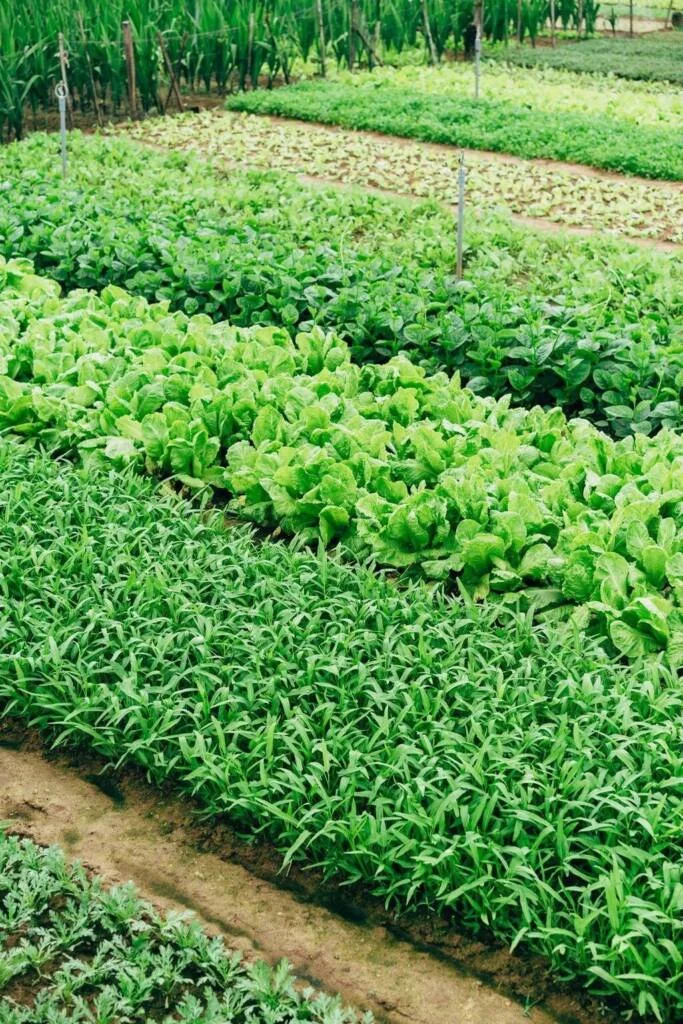
Farming is both a business and a way of life. To be successful, farmers must plan well and watch over every part of their operation. Good farm oversight and planning help reduce risk, improve yields, and boost profits.
Without strong planning, growers may waste time, money, and resources.
Choosing the right approach to manage your farm takes care and thought. This guide explains what to look for when evaluating farm oversight and planning options. We will cover crop planning, cost tracking, resource use, timing, and other key practices. Read on!
Effective oversight keeps your farm running smoothly. It helps you spot problems before they hurt your crop or income. Oversight also ensures that field work, labor, and resources are used in the best way possible.
Good planning and oversight make it easier to grow more with fewer inputs, track labor and equipment costs, choose the right crops for your soil and climate and reduce waste and improve timing. Without oversight, farmers may miss key details that lead to lower yields or higher costs. Planning lets you make decisions based on data, not guesswork.
Every farm needs a plan, which acts as a roadmap for the season. A good plan includes goals, timelines, budgets, and crop choices, answering key questions like what crops to grow, when to plant and harvest, what supplies are needed, and how to track costs and sales. Writing these details down keeps everyone on the same page and provides a reference to revisit as the season progresses.
Crop planning is one of the most important parts of farm management. Choosing the right crop mix can make or break your farm income. Here's what to consider:
Soil type and nutrient levels
Climate and weather patterns
Market demand and crop prices
Crop rotation needs
Soil tests help you know what nutrients your fields need. Weather records from past years tell you what to expect in your growing season.
Market research shows where demand and prices are heading. Rotating crops from year to year helps keep soil fertile and reduces pests.
Farming has many costs, from seed and fertilizer to labor and fuel. Tracking these costs carefully helps you know what makes profits and what eats into them. Cost tracking includes:
Seeds and plant materials
Fertilizers and soil amendments
Fuel and machinery repairs
Labor wages
Keeping records makes tax time easier too. You can see exactly where you spent money and how that spending helped your farm. You can also compare current costs to past seasons to see trends.
Good farm planning tools let you enter costs as they happen. This makes tracking easier than saving receipts in a drawer.
Every farm needs resources, but using them carefully is important. Wasting water, fertilizer, or labor can hurt profits and the land.
Water is important. Using efficient irrigation like drip systems or timers gives crops just the water they need and saves money.
Fertilizer and soil amendments must be used at the right time and amount. Too much can harm plants and pollute water, too little can weaken crops. Soil tests show what is needed.
Labor is also key. Planning work, training workers, and using machines when possible keeps labor costs low and avoids last-minute rushes.
Technology can make farm oversight much easier. Tools like GPS field mapping, crop sensors, and farm management software help you track fields and operations in real time. Farm management tools can help with:
Field mapping and soil data
Weather tracking and alerts
Cost and input tracking
Yield predictions and reporting
Many growers now use software to store all their farm data in one place. This reduces mistakes and makes planning easier. Some platforms let you access your records from a phone or tablet in the field.
Planning should not stop once the crops are in the ground. Good oversight means checking progress and adjusting plans as needed.
Weather changes, pest outbreaks, or market shifts may force you to change course. The best farmers watch their fields often and take notes. These notes help you decide when to water, when to fertilize, and when to harvest.
Tracking data weekly or even daily makes it easier to catch problems early. For example, if insects appear on young plants, early action limits damage. If rainfall is low, irrigation can be adjusted quickly.
Ongoing monitoring also helps with record-keeping. You will have better information for next season's planning.
At the end of the season, review your results. Compare your income to your expenses. Look at which crops did well and which did not. Ask yourself:
Did this crop make profit?
Did our planning pay off?
What can we change next year?
A profit and loss review helps you plan for improvements next season. Farms that review results year after year tend to grow and improve over time.
Not all farmers want to do every part of planning on their own. Sometimes, outside help is worth the investment.
Professionals bring experience, tools, and perspective. They can help you:
Build detailed plans
Track budgets and resources
Manage fields and schedules
Review data and results
When choosing support, look for experts with proven success and clear communication. Teams that know your region's soil and weather are especially helpful. Services like Midwest Land Management farm management offer expertise in field oversight, planning, and day-to-day tracking.
Even the best farmers make mistakes. But knowing common pitfalls helps you avoid them:
Failing to plan before planting
Ignoring cost tracking
Using too much fertilizer
Relying on guesswork
Learning from past mistakes makes you smarter and stronger. The more you use data and records, the more informed your decisions become.
Effective farm oversight and planning are essential for success. A good plan combines crop planning, cost tracking, resource use, monitoring, and review. With the right tools and support, you can reduce risk and improve yields year after year.
Planning well gives your farm the best chance to grow, succeed, and thrive. When you combine tools, data, and experience, you build a stronger future for your operation.
For more related topics, check out the rest of our blog!
 Supriyo Khan
 Supriyo Khan
 Supriyo Khan
 Supriyo Khan

Want to add a comment?