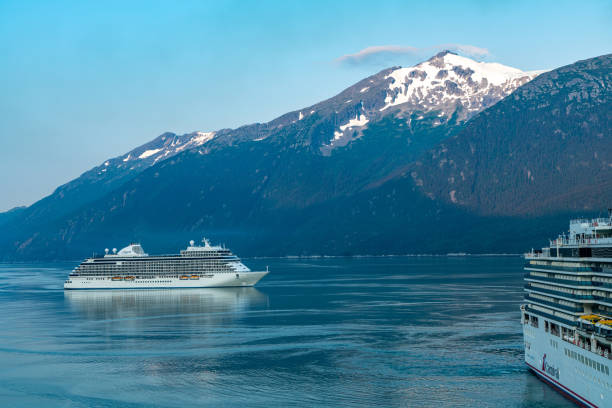
There’s nothing quite like an Alaskan cruise—towering glaciers, quiet fjords, and wildlife you’ll probably never spot anywhere else. But if you treat the whole thing like a quick, casual getaway, you might end up frustrated or out more money than you’d planned. Honestly, a little early planning, a flexible budget, and some open conversations before and during your trip can save you a lot of headaches.
It’s tempting to shrug and say, “It’s just a cruise,” especially if you’re leaving from Seattle and the cruise line seems to have everything buttoned up. But, wow, the little stuff sneaks up on you—like travel insurance, figuring out shore excursions, or scrambling for last-minute documents. Miss those, and your dream trip can go sideways fast. You’re better off handling the details so you can soak up the adventure, not the drama.
Once you’ve got the basics sorted, don’t underestimate the power of solid communication. Double-check travel plans with your group, chat through everyone’s expectations, and keep an eye out for cruise line updates. Just a few honest conversations before you board can mean the difference between chaos and confidence as you take in Alaska’s wild beauty.
If you don’t plan well, your trip to Alaska can turn stressful in a hurry. You’ve got to respect the unpredictable weather, brace yourself for long travel days, lock in shore activities early, keep seasonal highlights in mind, and pack for anything Alaska throws at you.
Alaska’s weather? It’s all over the place—even in summer. You might wake up to sun, get drenched by lunchtime, and shiver by dinner. A lot of people expect steady warmth, but that’s just not how it works up there.
Check the forecast for every port, and bring layers. Seriously, waterproof gear is a must. Non-slip shoes help, too—those decks and trails get slick. And yeah, if you’re near glaciers or the open ocean, the temperature drops fast.
If you’re taking one of those cruises out of Seattle, you’ll notice the climate shift as you go. You might start in shorts and end up needing gloves. Packing for both is annoying, but you’ll thank yourself later.
Don’t forget to stash a lightweight hat and gloves in your daypack, even in July. The weather flips fast, especially during scenic cruising. Being ready means you get to enjoy the views, not just grit your teeth through the chill.
Alaskan ports run on tight schedules. Sometimes you only get a few hours ashore. People often think they can just book excursions once they’re onboard, but the best stuff? It sells out, sometimes weeks in advance.
Look over your cruise itinerary early. Check when you arrive and leave each port. Book the excursions you really want—whale watching, glacier hikes, flightseeing—before you even pack your bags.
And don’t forget: weather can mess with your plans, especially flights. Rain or fog can cancel things without warning. Build in some buffer time, and try not to stack activities back-to-back.
Tip: Jot down a quick chart with ports, times, and what you want to do. It helps you balance busy days and chill time, and you’re less likely to miss out.
Alaska’s wildlife and scenery change with the calendar. May and June are all about baby animals, July brings those endless days, and August and September light up with fall colors. If you don’t check what’s happening when, you might miss the good stuff.
Look up when salmon run, when humpbacks migrate, and when birds nest. Timing your visit right boosts your odds of seeing something amazing from the ship or shore. Glaciers change, too—some look best early in the season, before the fog and melt set in.
Keep binoculars and a camera handy. Mornings are usually calmer, and animals seem to know it. If you want those wow moments, a little research goes a long way.
Packing wrong can turn a great trip into a soggy, sunburned slog. People often bring too many warm-weather clothes and forget what they’ll actually need for rain, sun, or both in the same hour. Layers are your friend—leave the bulky stuff at home.
Don’t forget:
Waterproof jacket and pants
Fleece or thermal layer
Quick-dry t-shirts and socks
Good walking shoes with grip
Small daypack for excursions
Grab travel-sized sunscreen and bug spray. Even on cloudy days, you can burn, and mosquitoes love those forested spots. Bring a refillable water bottle and binoculars, not a bunch of extras you’ll never touch.
Keep it practical and weather-ready. You’ll avoid overpriced onboard shops and spend more time exploring, less time scrambling for what you forgot.
Good communication keeps your trip on track, helps you spot problems before they blow up, and makes sure everyone knows what’s happening. When plans change—and they will—you’ll deal with it better if you’re all on the same page.
If you’re traveling with family or friends, unclear expectations can turn into stress or missed adventures. Before you even leave, talk through what everyone wants—excursions, mealtimes, downtime, whatever—and jot it all down in a shared doc or group chat. That way, even if the Wi-Fi cuts out after you leave Seattle, nobody’s left guessing.
Use stuff like offline Google Maps, shared calendars, or even walkie-talkie apps to stay in touch. Make sure everyone has the ship’s numbers and printed schedules, just in case.
Just a few honest chats before you go can save a lot of drama and make things run smoother for everyone.
It’s easy to miss updates about itinerary changes or weather delays if you only listen for announcements. Sign up for text alerts or app notifications from your cruise line as soon as you book. Keep an eye on your email for any last-minute changes, too.
For excursions, double-check meeting spots, time zones, and what’s actually included. If you’re booking outside tours—glacier hikes, wildlife trips, whatever—get their cancellation and refund policies in writing. It’s not fun to chase down refunds later.
Chrissy Valdez from Squaremouth points out that staying proactive helps if things go sideways. Travel insurance can cover delays or cancellations, but you’ll need records if you want reimbursement. Keep those details handy—future you will be grateful.
Skipping safety briefings is honestly one of the biggest mistakes people make on cruises. Even if you’ve sailed before, it’s still worth showing up for the mandatory muster drill and taking a quick look at evacuation routes. These sessions actually explain where to head and what to do if the ship loses power, faces nasty weather, or someone has a medical emergency. You never know when you’ll need that info.
Listen to the crew—seriously, they know their stuff—and make a mental note of those meeting zones near your cabin. I always keep my emergency contact card and muster station info somewhere I can see it. It’s tempting to shrug off these drills as a waste of time, but missing just one key instruction could turn a real emergency into chaos. Why risk it?
Pack essential documents like your passport, medical forms, and insurance details in a waterproof pouch. Trust me, taking safety communication seriously helps you stay prepared and a whole lot calmer during your Alaskan cruise.
 Supriyo Khan
 Supriyo Khan
 Supriyo Khan
 Supriyo Khan

Want to add a comment?