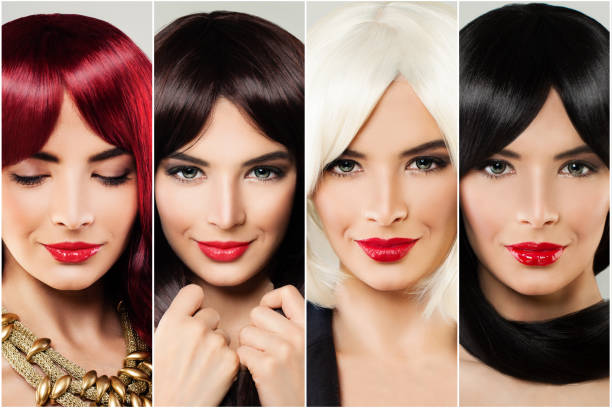
How to Choose the Perfect Wig Color to Match Your Skin Tone
When shopping for a wig, most people focus on length, style, and texture—but color is often what truly makes or breaks the look. The right shade can brighten your face, enhance your features, and make the wig look incredibly natural. The wrong shade, even on a beautiful unit, can make your skin appear dull, tired, or washed out.
Here’s a practical guide to choosing the perfect wig color to match your skin tone, so your new style looks intentional and effortlessly flattering.
Your skin tone isn’t just “light, medium, or dark.” The undertone—the subtle hue beneath the surface—is what really determines which hair colors look best on you. There are three main undertones:
Cool undertone – Hints of pink, red, or blue
Warm undertone – Hints of yellow, golden, or peach
Neutral undertone – A balanced mix of warm and cool
You can figure out your undertone with a few simple tests:
Vein test
Veins look blue or purple → likely cool
Veins look greenish → likely warm
Can’t really tell / mix of both → likely neutral
Jewelry test
Silver jewelry looks better on you → cool
Gold jewelry looks better on you → warm
Both look equally good → neutral
Once you understand your undertone, choosing wig colors becomes much easier and more consistent.
If you have cool undertones, you’ll generally look best in shades that also lean cool.
Great options include:
Cool dark brown or espresso
Ash brown or ash blonde
Cool black (not overly warm or reddish)
Cool burgundy, berry tones, wine reds
Silver, platinum, and icy shades
These colors harmonize with the pink or blue in your skin, making your complexion look bright rather than sallow.
Fashion colors that work well with cool undertones:
Blue‑black
Smoky lilac
Cool rose, mauve, or berry shades
If you’re interested in bold or trendy colors, choose versions that have a slightly ashy or cool base rather than warm gold or copper.
Warm undertones usually glow in warm, golden, or rich hair colors.
Flattering choices include:
Warm chocolate brown, golden brown, honey brown
Caramel, toffee, and honey blonde tones
Chestnut, auburn, copper, and warm reds
Soft golden highlights over a medium or dark base
These colors echo the warmth in your skin, giving you a healthy, sun‑kissed effect rather than making you look washed out.
Fashion colors that complement warm undertones:
Copper and bronze
Warm rose gold
Peachy or golden‑based shades
If you go too ashy or cool, your skin can look greyish or flat, so it’s usually best to keep at least a hint of warmth in the hair.
Neutral undertones have the most flexibility. You can generally wear both cool and warm shades, as long as you respect your overall contrast (how light or dark you are).
Light neutral skin
Soft browns, beige blondes, milk tea tones
Subtle balayage or ombré with warm or cool highlights
Medium neutral skin
Medium browns, rich chocolate, warm or cool caramel
Dimension with both warm and cool lowlights
Deep neutral skin
Deep brown, espresso, cool or warm black
Rich red‑brown, plum, or deep auburn
With neutral undertones, feel free to experiment—just avoid extremes that clash heavily with your personal style or makeup preferences.
Beyond undertone, think about how light or deep your skin is, and how much contrast you like between your hair and face.
Fair/light skin
Very dark hair can look dramatic—great if you like bold contrast, but it may appear harsh if you prefer softness.
Soft browns, neutral blondes, or muted pastels can look gentle and natural.
Medium/tan skin
Medium browns, caramel, bronde (brown + blonde) look effortlessly flattering.
Slightly lighter ends (balayage or ombré) can add dimension without looking artificial.
Deep/dark skin
Deep brown, espresso, and black can look rich and elegant.
Honey, caramel, and golden highlights add brightness and dimension around the face.
Rich reds and plum tones can look especially striking.
Think about your usual makeup: if you like a strong brow and bold lip, you may be able to handle higher contrast hair. If you keep your makeup very soft and natural, subtle transitions in hair color often look better.
Decide first: do you want a natural look or a statement color?
For a natural, everyday look, choose shades that could realistically grow from your scalp—browns, blacks, blondes, natural reds, and subtle highlights.
For a fashion or editorial look, you can play with silver, vivid reds, pastel shades, or intense tones.
The key is still undertone:
Cool skin → cool versions of bold colors (icy silver, blue‑black, violet)
Warm skin → warm versions (copper red, rose gold, golden blonde)
Even a dramatic style such as a curly hd lace wig will look more flattering and believable if the color ties into your undertone and skin depth rather than fighting against it.
Your eyebrows frame your face and influence how believable a wig color looks. They don’t have to match your wig exactly, but they should be in the same family:
Dark wig + very light brows = often too stark
Light wig + very dark, heavy brows = can look unbalanced
Aim for brows that are 1–2 shades lighter than very dark hair or 1–2 shades darker than very light hair for a softer, more harmonious look.
Also consider:
Your wardrobe colors
Your usual lipstick and blush tones
Whether you want your hair to blend in with your style or stand out as the main statement
If you love warm, earthy makeup and clothing, warm hair will feel more cohesive. If you wear a lot of cool tones and sharp, minimalist looks, cooler hair colors often make more sense.
If you’re unsure, try these low‑risk options before committing to a full‑time shade:
Buy a wig in a slightly more subtle shade of the color you’re considering.
Start with highlights or ombré instead of a full solid color.
Use temporary color sprays or root touch‑up products on a wig to see how you like certain tones near your face.
Photograph yourself in natural daylight from several angles; sometimes what you see in your mirror under indoor lighting doesn’t tell the full story.
Choosing the perfect wig color isn’t about strict rules; it’s about understanding what flatters your skin tone and fits your personality. When you match undertone, skin depth, contrast, and personal style, the result is a color that looks like it truly belongs to you—whether you’re reaching for a subtle, everyday shade or a bold statement piece like a bob silver wig for a high‑impact, fashion‑forward moment.
 Supriyo Khan
 Supriyo Khan
 Supriyo Khan
 Supriyo Khan

Want to add a comment?