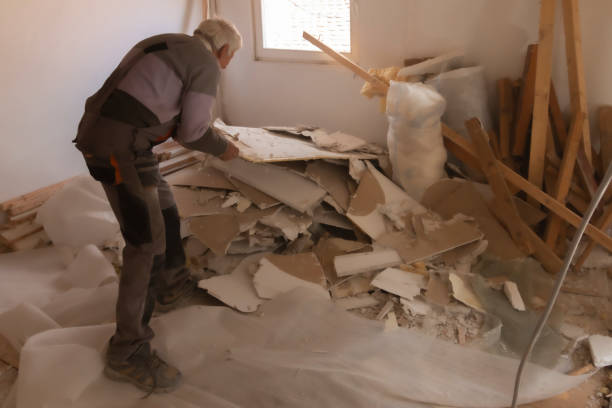
Renovation projects often begin long before new materials are installed or layouts are redesigned. One of the most critical early phases is selective interior removal, which focuses on clearing specific elements of a structure while preserving what will remain. This targeted approach allows renovation work to move forward efficiently without unnecessary damage or disruption to surrounding areas.
Unlike full structural teardown, selective removal concentrates on interior components such as walls, flooring, ceilings, and fixtures. This process creates a clean foundation for updates while maintaining the integrity of the existing structure. Property owners frequently consult experienced providers like Dump Brothers Demolition to ensure this phase is handled with precision and planning. When executed properly, selective removal supports smoother renovations and fewer complications later in the project.
Understanding how selective interior removal works highlights why it plays such a vital role in renovation success. It bridges the gap between the old space and the new vision by preparing the environment thoughtfully and safely.
Selective interior removal focuses on eliminating only what is necessary for the renovation. Instead of dismantling an entire structure, crews identify specific components that must be removed to accommodate new layouts or systems.
This may include removing non-load-bearing walls, outdated cabinetry, flooring materials, or ceiling finishes. Each removal step is planned to avoid damaging structural elements, utilities, or adjacent areas.
Light Demolition is the process that enables this precision, allowing renovations to progress without compromising the building’s core framework.
Renovation spaces often remain partially occupied or structurally intact during work. Precision ensures that areas not included in the renovation remain protected and functional.
Uncontrolled removal can damage wiring, plumbing, or structural supports, leading to delays and added costs. Selective techniques reduce these risks by isolating removal zones carefully.
A controlled approach helps renovation teams work more efficiently once the space is prepared.
Preserving load-bearing elements is critical. Careful planning ensures that only designated components are removed, maintaining safety and stability throughout the project.
Renovations require clear access to surfaces where new materials will be installed. Selective removal clears outdated elements while leaving a workable foundation.
Once unnecessary components are removed, designers and builders can assess the space accurately. This clarity supports better measurements, layout decisions, and system upgrades.
Light Demolition creates this clean slate without introducing unnecessary debris or damage.
Prepared spaces allow construction teams to begin work without obstruction. When removal is precise, crews spend less time correcting issues caused by improper teardown.
Clear access to walls, floors, and ceilings speeds up installation of new systems and finishes. This efficiency helps projects stay on schedule.
Well-executed preparation supports smoother coordination between demolition and construction phases.
Many renovation projects occur in buildings that are still partially in use. Excessive noise, dust, or damage can disrupt occupants or neighboring spaces.
Selective interior removal reduces disruption by limiting work to specific areas. Dust control measures and staged removal help maintain a safer environment.
This controlled approach is especially valuable in residential and commercial renovation settings.
Renovations often involve updating plumbing, electrical, or HVAC systems. Selective removal exposes these systems safely, allowing upgrades without unnecessary interference.
By removing only what is required, technicians gain access to systems while minimizing the risk of accidental damage.
This precision supports smoother integration of modern infrastructure into existing spaces.
Targeted removal generates less waste than full teardown. Materials are removed intentionally, reducing debris volume and cleanup time.
Less waste also simplifies disposal and recycling efforts. This efficiency benefits both project timelines and environmental considerations.
Dump Brothers Demolition & Junk Removal often emphasizes responsible removal practices that balance efficiency with cleanup control.
Safety is a key benefit of selective interior removal. Controlled methods reduce the risk of falling debris, exposed hazards, and unstable surfaces.
Clear planning ensures work zones are secure and hazards are managed proactively. This protects both workers and occupants.
Light Demolition supports safety by emphasizing controlled execution rather than speed.
Renovation projects vary widely in size and complexity. Some involve minor updates, while others require extensive interior changes.
Selective removal adapts easily to these varying scopes. Teams can scale efforts based on project needs without overextending removal.
This flexibility makes the process suitable for diverse renovation goals.
Not all removed materials are discarded. Some fixtures, flooring, or architectural elements may be salvaged for reuse or repurposing.
Selective removal allows these components to be removed carefully rather than destroyed. This supports sustainable renovation practices.
Preservation adds value by reducing material costs and waste.
Once selective removal is complete, renovation teams gain a clear view of existing conditions. Hidden issues such as moisture damage or outdated wiring become visible.
Identifying these conditions early prevents surprises later in the project. Accurate planning supports better budgeting and scheduling.
Preparation through selective removal improves overall project predictability.
Renovation schedules depend on seamless transitions between phases. Delays during preparation can affect every subsequent step.
Efficient selective removal helps maintain momentum. When preparation is completed on time, construction can proceed as planned.
Coordination between teams is smoother when spaces are properly prepared.
Selective interior removal requires skill and experience. Understanding building systems, structural layouts, and safety protocols is essential.
Professionals trained in this work apply methods that balance speed with control. This expertise reduces risk and improves outcomes.
Dump Brothers Demolition brings structured planning and execution to selective removal projects.
The benefits of proper preparation extend beyond the renovation itself. Clean, well-prepared spaces support better installation quality and longevity.
When new materials are installed on properly prepared surfaces, they perform better over time. This enhances the durability of the renovation.
Selective removal contributes directly to the long-term success of updated spaces.
While it may seem like a preliminary task, selective interior removal influences the entire renovation process. Poor preparation often leads to delays, rework, and added costs.
Investing in controlled removal reduces these risks. It sets a professional standard for the entire project.
Light Demolition serves as the foundation upon which successful renovations are built.
Selective interior removal is a critical step in preparing spaces for renovation projects. By focusing on precision, safety, and efficiency, it clears the way for design and construction without compromising existing structures. Light Demolition enables controlled removal that minimizes disruption, supports accurate planning, and improves overall project flow. With experienced execution from Dump Brothers Demolition, property owners can ensure renovation projects begin on a solid, well-prepared foundation that supports lasting results.
 Supriyo Khan
 Supriyo Khan
 Supriyo Khan
 Supriyo Khan

Want to add a comment?