Home / Real Estate / how-quick-response-times-lower-the-cost-of-home-water-damage
How Quick Response Times Lower the Cost of Home Water Damage
Dec 13, 2025

How Quick Response Times Lower the Cost of Home Water Damage

Supriyo Khan-author-image Supriyo Khan
29 views

  • Immediate response to water damage minimizes repair costs and prevents further structural damage.

  • Delays in addressing water damage can lead to mold growth within 24 to 48 hours, posing significant health risks.

  • Professional water damage restoration services offer expertise and equipment to handle emergencies efficiently.

Water damage in homes can escalate rapidly, transforming a minor leak into a costly disaster within hours. Even small amounts of unwanted water infiltration, whether from burst pipes, heavy rain, or appliance failures, can cause widespread damage if not addressed immediately. Understanding the importance of swift action is crucial for any homeowner, as prompt intervention has the potential to significantly reduce repair costs and prevent long-term adverse consequences. For those living in the Denver area, relying on professional restoration services like Pure Restore—a trusted industry leader—can mean the difference between a quick fix and months of repairs. Call Pure Restore water damage restoration Denver offers comprehensive solutions for water damage emergencies, including 24/7 availability to address flooding, leaks, and moisture issues promptly. Their certified technicians are experienced in serving Denver, Boulder, and nearby areas, aiming to restore homes efficiently while minimizing disruption to daily life.

The Immediate Impact of Water Damage

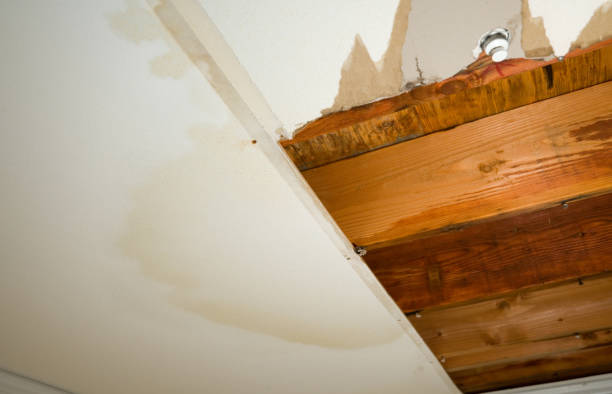
When water infiltrates a home, the process of destruction can begin right away. As soon as water enters the property, it seeks out cracks, gaps, and porous materials, spreading quickly from one room to another. Within the first hour, floors, walls, carpets, and even personal belongings begin to absorb moisture. Drywall, for example, absorbs water very quickly, causing the material to swell and weaken. Wooden floors can start to lift or warp, and upholstery may become saturated, leading to stains and musty odors. If electronics or electrical systems are affected, the risk of danger increases, making swift professional intervention essential. As time passes, the affected areas may suffer irreversible harm, increasing both the scope and expense of repairs required.

Escalating Costs with Delayed Response

Delaying water damage restoration can significantly increase repair costs as water continues to damage both visible structures and underlying materials. Industry data highlights how rapidly expenses rise: water damage that receives professional mitigation within 4 hours costs an average of $3,200 to restore, with most minor repairs limited to drying, cleaning, and surface restoration. However, if that same water is left unaddressed for just 24 hours, average restoration costs soar to $8,700, often because mold growth and deeper structural problems begin to appear. If no action is taken for 48 hours or longer, the average costs can exceed $15,000, encompassing rot, replacement of primary materials, and remediation of hazardous conditions. For cases involving extensive mold remediation, an additional $5,000 to $10,000 is commonly added due to the labor and specialized treatments required. These statistics underscore the importance of taking immediate action to minimize both the financial impact and inconvenience caused by water damage.

Health Risks Associated with Mold Growth

If water damage is not addressed promptly, mold can develop within 24 to 48 hours, posing potential health hazards to everyone in the home. The United States Environmental Protection Agency (EPA) notes that mold spores are common indoors and outdoors, requiring only moisture to trigger growth. Once mold begins to grow on materials like carpet, drywall, or wood, it can spread rapidly, resulting in unsightly stains and persistent unpleasant odors. Prolonged mold exposure can cause or exacerbate respiratory issues, headaches, skin irritation, and allergic reactions, particularly in children, the elderly, and individuals with compromised immune systems. In some cases, infestations of toxic varieties, such as black mold, can pose serious health risks if left unchecked for extended periods.

Structural Damage Over Time

Prolonged exposure to water can seriously threaten the structural integrity of a home. As time passes, wooden beams and drywall that have been exposed to excessive moisture may begin to rot or lose strength altogether. Fixtures, such as cabinetry or flooring, may separate from their substructures, creating gaps, soft spots, and an uneven surface. The deterioration of foundational materials could lead to cracks in walls, collapsing ceilings, or even floor instability. In more severe scenarios, the home's complete safety may be compromised, necessitating extensive reconstruction or the replacement of entire sections of the property. Only leads to immense inconvenience for the residents, but also drives up repair costs exponentially.

Financial Implications of Delayed Action

Beyond the immediate repair bills, failing to address water damage promptly can have a lasting impact on a property’s market value. Homes with a documented history of significant water damage—even if fully repaired—commonly sell at a 15–20% discount below comparable properties. This reduction in value reflects buyer concerns about lingering issues such as mold, hidden damage, or repeated moisture problems. In addition, the costs of ongoing maintenance, higher insurance premiums, and the need for regular inspections can accumulate over time, ultimately costing the homeowner far more than the original damage would have if it had been resolved immediately.

The Role of Professional Restoration Services

Working with professional water damage restoration services is an investment in protecting both property and health. Restoration experts, such as those at Pure Restore in Denver, are equipped with industrial-grade equipment, including high-volume water extractors, dehumidifiers, and thermal imaging cameras, which ensure thorough drying and removal of moisture—tools and expertise that the average homeowner may not possess. Professionals also adhere to the latest safety and industry standards, which can help prevent complications or future problems. Their ability to accurately assess and prioritize repairs means affected homes are restored more quickly, safely, and effectively, assisting clients to return to their regular routines as soon as possible.

Preventive Measures to Reduce Risk

While emergencies can occur unexpectedly, homeowners can undertake several proactive measures to help reduce the risk of water damage before problems arise:

  • Regularly inspect plumbing systems for leaks, corrosion, or unusual noises, especially in older homes with aging pipes.

  • Ensure proper drainage around the home’s foundation to divert water away from the structure during heavy rain or snow melt. Cleaning gutters and extending downspouts can help.

  • Install water detection devices in areas prone to leaks, such as basements, behind appliances, or under sinks. These devices can provide early alerts to minimize the scope of damage if a leak occurs.

  • Maintain home appliances, such as washing machines, water heaters, dishwashers, and refrigerators, according to the manufacturer's recommendations. Replace hoses and valves before they wear out.

Conclusion

Time is of the essence when dealing with water damage. Immediate action can mean the difference between a straightforward repair and a costly, months-long restoration process. Acting quickly not only reduces repair bills but also protects the health and well-being of your family and preserves the long-term value and integrity of your home. By understanding the risks of delayed response and engaging professional water damage restoration services at the first sign of trouble, homeowners safeguard their finances, comfort, and peace of mind, ensuring a safe and resilient living environment for years to come.


Comments

Want to add a comment?