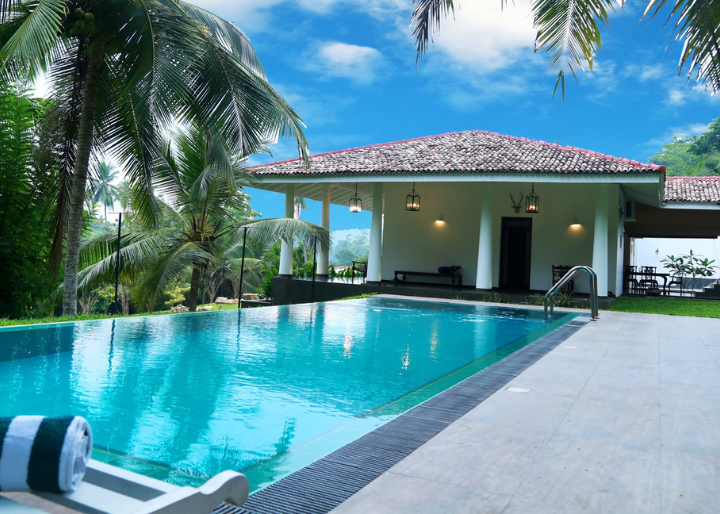
Thinking of turning your backyard into a private paradise? An inground pool is a dream upgrade, but it’s also a major investment. While the idea of lounging poolside all summer is appealing, the real question is: how much will it actually cost? From excavation and permits to materials and maintenance, the final price tag can vary widely. Whether you’re going for a sleek modern design or a resort-style retreat, understanding your budget upfront is key to avoiding surprises later. In this blog, we’ll break down the true cost of an inground pool, what factors affect it, and how to plan wisely so you can dive into your dream with confidence. Before diving into specific numbers, it's essential to understand that not all pools are created equal. The type you choose dramatically affects your budget and long-term satisfaction. Pool size affects costs more dramatically than most people realize. Custom concrete pools allow for unique shapes like kidney, L-shaped, or freeform designs. While these look stunning, curved edges and complex angles increase construction time and material waste, pushing costs higher. Simple rectangular shapes cost less to build and maintain. They're also easier to cover and heat efficiently, which matters for your long-term budget. Location plays a huge role in final costs, and this is where services become particularly valuable. When it comes to budgeting for a new inground pool, location matters, and Atlanta stands out as one of the top U.S. cities for backyard upgrades. With hot, humid summers and a lifestyle that leans into outdoor entertaining, it’s no surprise that more homeowners are investing in backyard pools. In fact, Atlanta ranks 6th in the U.S. for public swimming pools, with approximately 5.0 pools per 100,000 residents, reflecting the city’s strong demand for swimming amenities. However, installation costs can range widely based on materials, site conditions, and customization. For a seamless and value-boosting experience, turning to a trusted expert in pool installation in atlanta, residents can help ensure your investment pays off. Northern climates typically see higher prices due to shorter construction seasons and frost protection requirements. Southern markets often have more competitive pricing due to year-round construction schedules. This understanding of regional differences helps set realistic expectations before you start getting quotes from local contractors. Pool pricing involves more moving parts than most homeowners anticipate. Let's examine what you're actually paying for and where your money goes. Labor typically represents 40-60% of your total project cost. Excavation alone can run depending on soil conditions and access challenges. Skilled craftsmen for luxury swimming pool installations command higher rates but deliver superior results. Trying to save money with inexperienced crews often leads to expensive repairs later. These aren't optional expenses, so budget for them from the start. Pool equipment plays a crucial role in the overall performance and enjoyment of your pool. Components like pumps, filters, heaters, and automation systems help maintain water quality and enhance convenience. Luxury inground pools often come with premium features such as LED lighting, waterfalls, and integrated spas. These additions elevate both the aesthetic and relaxation factor, turning your outdoor space into a personalized retreat. It’s also important to account for electrical work, which may involve upgrading your home’s electrical panel to support new pool systems and ensure everything runs safely and efficiently. Site preparation challenges frequently surprise homeowners. Rocky soil, high water tables, or poor drainage can add thousands to your project unexpectedly. Landscaping around your new pool is a key element that’s often overlooked during the early stages of planning. Proper grading, thoughtful plant selections, and hardscaping can tie the entire space together and create a seamless transition between your pool and the rest of your yard. Pool fencing is another important consideration. Not only does it enhance safety, but it's also required by most local building codes. The style and materials you choose can significantly impact the overall look and functionality of your outdoor area. Successful pool projects require careful financial planning beyond just the installation cost. Here's how to approach budgeting like a pro. Start with a realistic assessment of what you can comfortably afford. Pool loans are available, but remember you'll also have ongoing maintenance costs. Consider the total cost of ownership, not just installation. Chemical costs, utility increases, and periodic equipment replacement should factor into your decision. Build a 10-15% contingency into your budget for unexpected issues. Experienced contractors encounter surprises on most jobs, and having a financial cushion prevents delays. Many pool companies offer financing packages with competitive rates. Shop around and compare terms from multiple lenders before committing. Home equity loans often provide lower interest rates than pool-specific financing. If you have equity available, this might be your most cost-effective option. Some contractors offer seasonal payment plans that spread costs over 6-12 months. This can help manage cash flow during construction. Work with your contractor to identify features that provide the biggest impact for your budget. Sometimes simple changes save thousands without compromising your vision. Consider phasing your project over multiple years. Install the basic pool now and add features like waterfalls or outdoor kitchens later. Focus spending on elements that affect daily use and long-term durability. Upgrading to variable-speed pumps or salt water systems often pays for itself through reduced operating costs. Pool ownership extends far beyond the initial installation investment. Understanding ongoing costs helps you budget appropriately for years of enjoyment. Chemical costs depend on pool size and usage patterns. Automated chemical systems cost more upfront but often reduce long-term chemical expenses. Utility costs typically increase with pool ownership, especially during peak season. Equipment like pumps and heaters can lead to noticeably higher electricity usage, depending on how often they're run and how energy-efficient they are. Many pool owners also choose to hire professional maintenance services to keep everything clean and running smoothly. While this adds to ongoing upkeep, it can save time and help prevent minor issues from turning into costly repairs. Pool pumps generally have a lifespan of 8 to 12 years, depending on usage and maintenance. While variable-speed models may require a higher upfront investment, they are known for their energy efficiency and long-term cost savings, making them a popular choice among pool owners. Heaters need replacement every 8-15 years, depending on type and usage. Gas heaters are cheaper to buy but more expensive to operate than heat pumps. Pool surfaces require periodic renovation. Plaster lasts 10-15 years, while aggregate finishes can last 15-20 years before needing renewal. Contact your agent before starting construction to understand exactly how this affects your policy. Safety equipment like pool alarms, covers, and proper fencing isn't just a legal requirement - it's a smart investments that prevent accidents and potential liability issues. This long-term perspective helps you understand the true cost of pool ownership beyond the initial excitement of installation. Budgeting for an inground pool requires balancing dreams with financial reality. Custom concrete pools and luxury swimming pool installations represent significant investments, but they also provide decades of family enjoyment and property value enhancement. The key isn't finding the cheapest option - it's finding the right balance of features, quality, and affordability for your specific situation. Take time to research contractors, understand local market conditions, and plan for total ownership costs. Remember, a well-planned pool project brings years of satisfaction, while rushing into decisions often leads to regret and unexpected expenses. What factors influence the total cost of an inground pool? The overall cost depends on factors like pool size, shape, material (concrete, vinyl, or fiberglass), and added features such as lighting, spas, or waterfalls. Site conditions, local labor rates, fencing, landscaping, and electrical work also contribute significantly, making every pool project unique in both scope and pricing. Are there ongoing costs after the pool is installed? Yes, ongoing costs include higher utility bills, regular cleaning, chemical treatments, and occasional equipment repairs or replacements. Many homeowners also hire professional maintenance services for convenience and prevention. These recurring expenses help keep your pool safe, clean, and fully functional throughout the swimming season and beyond. Should I finance my pool or pay cash? Cash payments often secure contractor discounts of 3-5%. However, low-interest financing preserves liquid savings for emergencies while spreading payments over manageable monthly amounts.Understanding Your Pool Investment Options
Size and Shape Impact on Pricing
Regional Cost Variations You Can't Ignore
Breaking Down the Real Numbers
Construction and Labor Costs
Equipment and Features That Add Up
Hidden Costs Most People Miss
Smart Budgeting Strategies That Work
Setting Realistic Financial Expectations
Financing Options and Payment Plans
Value Engineering Your Dream Pool
Planning for Long-Term Ownership
Annual Maintenance and Operating Expenses
Equipment Replacement Timeline
Insurance and Safety Considerations
Your Pool Investment Journey Starts Here
Common Questions About Pool Budgeting
 Supriyo Khan
 Supriyo Khan
 Supriyo Khan
 Supriyo Khan

Want to add a comment?