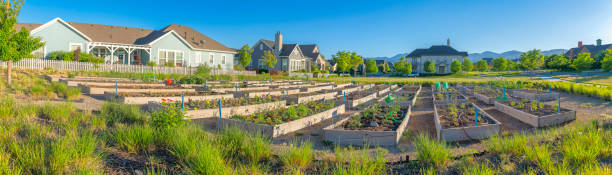
When we imagine a happy, healthy lifestyle, we often think about our personal choices – eating well, exercising more, or sleeping better. But what if there is more to it than that? What if healthy living isn’t just about how we live, but also where we live? Secure housing, safe neighbourhoods, local service access, and green spaces. The places that shape how we feel, how we move, and how we connect.
Garden communities are designed with these lifestyle needs in mind. By combining walkable neighbourhoods, thoughtfully-planned amenities, and great outdoor spaces, they offer a compelling alternative to traditional housing developments. In fact, garden communities are now increasingly recognised as places that are not only attractive, but also support better physical health, mental wellbeing, and community life.
At its simplest, garden communities are strategic, larger-scale new developments of 1500 or more dwellings. They are designed to be both community-focused and environmentally-friendly. While the term can mean slightly different things in different contexts, most garden communities share a common set of principles: generous green space, walkable streets, comfortable housing, and local amenities.
Garden communities have been around for a long time. The first garden communities were built in the early 20th-century, as part of the garden city movement. They aimed to combine the best of town and country living – providing access to jobs and services, but also to fresh air and nature walks. Modern garden communities now offer so much more than this. They aim to support individual health, but also biodiversity, sustainability, and community wellbeing.
Garden communities are often a direct result of masterplanning. Masterplanning architects are brought in to ensure that green living is the focal point of that particular new development. Rather than integrating green space into masterplans as an ‘extra’, they design whole neighbourhoods around it, making parks, nature reserves, and other environmental features a central part of everyday life.
Living in a garden community can encourage us to be more active – and, in turn, more healthy. When we’re within walking distance of green spaces, we are much more likely to enjoy outdoor activity. In fact, research has shown that people who live within 300m of green space are more likely to engage in some kind of physical exercise, whether that’s walking, jogging, or cycling. They are also more likely to meet their daily recommended activity levels.
These types of light activity and exercise can help lower the risk of obesity, cardiovascular disease and other chronic health conditions. In many ways, garden communities work as a kind of built-in health intervention, inviting people to walk to the shops, cycle through the local neighbourhoods, or go for a run around the park. And it’s not just about getting in the extra workouts; enjoying time outdoors can help improve blood pressure, reduce stress hormones like cortisol, and leave people feeling healthier.
Living in a garden community can also support our mental health. When we’re within easy walking distance of green spaces, we’re more likely to enjoy everyday interactions with nature. These interactions can help reduce stress, lift mood, and encourage relaxation. In fact, research has shown that people who live near green spaces are often at lower risk of anxiety and depression.
In many ways, garden communities also act as a built-in support system for residents, encouraging them to walk through tree-lined streets, spend time in nearby parks, or visit local natural features. This regular exposure to greenery can calm the mind, improve focus, and even bring joy into daily routines, leaving people feeling more balanced, clear-headed, and emotionally refreshed.
Social connection is an important part of a happy, healthy lifestyle. In many conventional housing developments, people may live close together but still feel isolated – driving between places and only seeing neighbours in passing. In garden communities, people often find social interactions happen more organically. This is because garden communities have purposeful, connected layouts – where pathways, public spaces, and town centres are designed to encourage interaction.
Masterplanning architects like JTP often prioritise physical health, emotional wellbeing, social integration, and community wellbeing during the planning process. As a result, shared spaces like parks, playgrounds, shops, gyms, and cafes, become key focal points, making healthy lifestyles easier and community life more enjoyable.
Garden communities aren’t just designed to be greener in appearance – they’re often designed to be greener in functionality too. It’s partly about bringing together green transportation options, with good connection points. Instead of relying on traffic-heavy layouts, masterplanning architects tend to prioritise walkable neighbourhoods, safe cycle routes, and easy access to public transport – helping to reduce everyday emissions.
It’s also partly about incorporating green infrastructure. Many masterplanning architects allocate specific space for trees, plants, and greenery. This can help cool streets in summer, improve air quality, and support biodiversity. They also incorporate features like rain gardens, swales and ponds. This can help manage surface water more naturally – reducing flood risk while creating attractive landscapes. As such, they make sustainability and future-readiness an integral part of garden community design.
Garden communities are often designed with comfort and convenience in mind. They offer comfortable housing, varied streetscapes, and green neighbourhoods. They also offer easy access to local amenities and transport connections. Their goal is to create somewhere that supports different lifestyles: first-time buyers, families, retired couples, and those who simply want a calmer, more grounded daily life. In garden communities, we can focus on building good daily routines, making the most of shared spaces, and enjoying small, enriching interactions. That’s why we often find that garden communities can offer not just a happier, healthier lifestyle, but an overall better quality of life.
Garden communities show how thoughtful design can shape not just where we live, but how we live. Through careful masterplanning architects arrange green spaces, streets, homes, and amenities so that daily life in garden communities feels connected, convenient, and human. They ensure that features like pathways, parks and shared spaces are attractive – and that they support physical health, emotional wellbeing, social interaction, and quality of life. They also ensure that garden community designs are sustainable and future-ready, so that residents can enjoy happy, healthy lifestyles for years to come.
 Supriyo Khan
 Supriyo Khan
 Supriyo Khan
 Supriyo Khan

Want to add a comment?