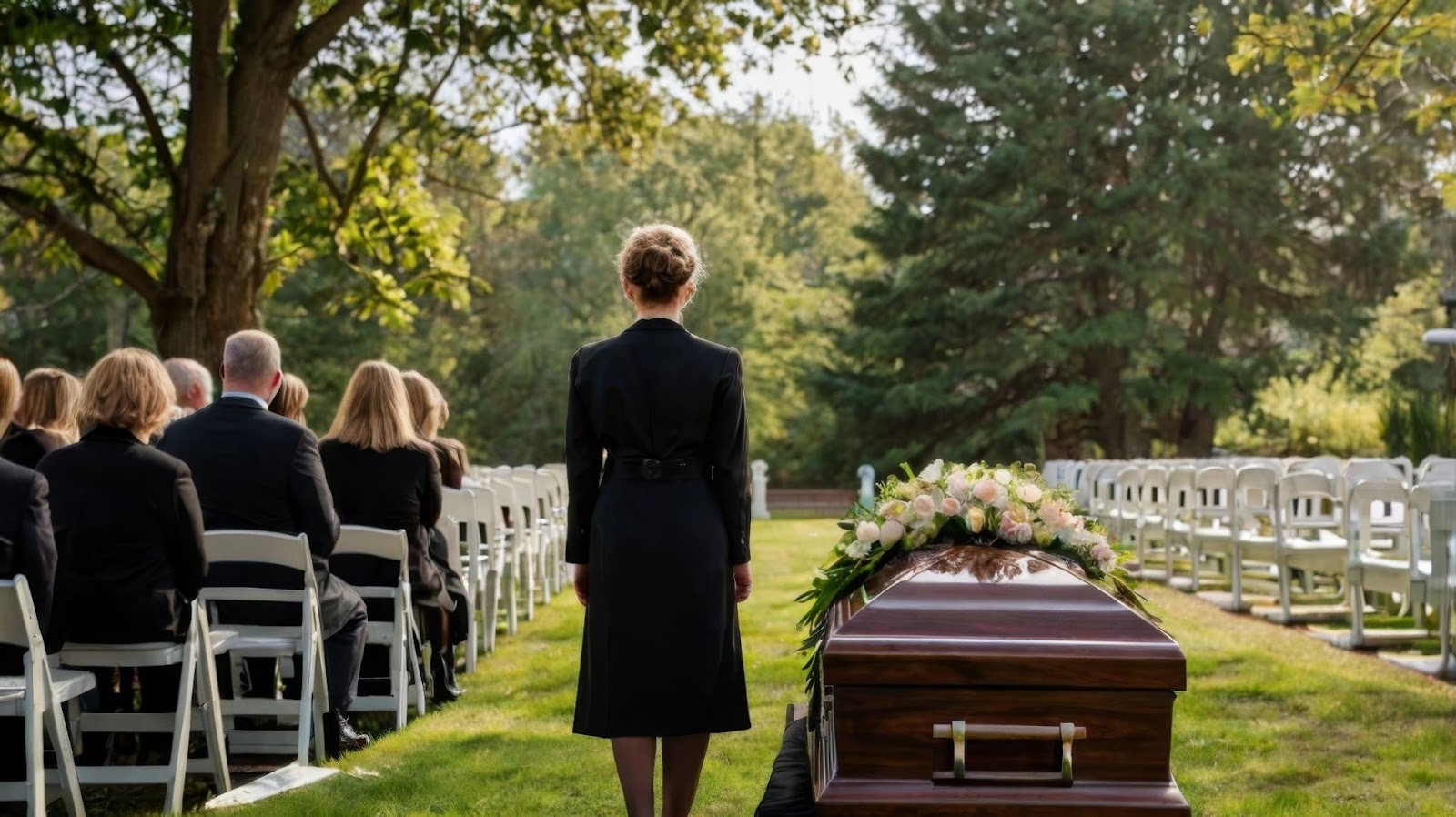
Funeral planning is never just about flowers, music, or location. It is about love, memory, and meaning. Every family brings its own beliefs, traditions, and personal values into these choices. Culture can guide how we honor the person who passed, from religious rituals to community gatherings.
Personal values shape the tone, whether it feels quiet and simple or joyful and celebratory. In times of loss, these values become even more important. They help families make decisions that feel right and respectful. Understanding this connection can make funeral planning more thoughtful, personal, and comforting for everyone involved.
Families today? They're bringing wildly different backgrounds to kremp funeral arrangements. The connection between cultural values and funerals matters more than ever as our communities grow richer in diversity.
Funeral traditions look nothing like they did thirty years ago. Rigid formulas have given way to creativity. Families mix heritage with innovation freely now, blending ceremony styles their grandparents might've found shocking.
You'll see religious rites paired with video montages set to rock music. Traditional prayers followed by celebration-of-life gatherings with craft beer and storytelling. This shift mirrors society's broader embrace of individuality over cookie-cutter conformity.
Dallas exemplifies modern multicultural America: over 200 languages spoken, countless traditions converging daily. Given this remarkable diversity and the spectrum of backgrounds represented, funeral homes in dallas, tx have necessarily adapted to serve these distinct, varied community needs.
Providers in this market skillfully navigate everything from Buddhist cremation protocols to vibrant Mexican-American celebrations of life. The exceptional ones don't merely tolerate cultural differences, they immerse themselves in understanding specific customs, helping families honor heritage authentically.
Researchers conducting secondary analysis selected 50 participants aged 65+ from a larger pool of 189 in-depth interviews, highlighting the nuanced understanding required when serving culturally diverse older populations.
Today's funeral directors undergo cultural competency training because details matter enormously. Which flowers carry negative symbolism? How should remains be positioned according to specific faith traditions? These aren't trivial questions, they're the difference between generic service and genuine respect. As families translate values into concrete choices, flower selection often carries deep cultural meaning—lilies, roses, or chrysanthemums can signal very different sentiments across traditions. For practical, culturally sensitive guidance, outlines appropriate flowers, who to send them to, delivery timing, costs, and plant alternatives, helping families honor symbolism while keeping logistics simple.
Yet cultural frameworks represent only part of the equation. Personal beliefs and individual preferences wield equal power in shaping end-of-life ceremonies.
Strip away cultural expectations for a moment. Every person's unique worldview shapes what feels right for their farewell. Personal values in funeral choices acknowledges something crucial: identical twins raised in the same household still might want completely different services.
Environmental consciousness drives some families toward biodegradable caskets and green burial grounds. Others prioritize legacy-building through scholarship funds or elaborate multimedia tributes. Devout families center everything on scripture and prayer.
Secular celebrations spotlight accomplishments and human connections instead. The goal isn't copying someone else's playbook. It's capturing authentic spirit. Maybe that means a solemn cathedral service. Maybe it means a beach gathering at sunset with Jimmy Buffett playing. Both can be equally appropriate.
Here's the uncomfortable truth: families seldom see eye-to-eye on values completely. Adult children push for eco-friendly options while aging parents insist on traditional burial. Siblings clash over religious components.
Effective funeral planning confronts these tensions directly rather than pretending they don't exist. Conversations held during calm, healthy times prevent meltdowns later. Pre-planning documentation provides the clarity that protects individual wishes while preserving family peace.
Personal values increasingly drive customization, and technology has stepped up as a powerful enabler for extending meaningful experiences.
Live-streaming lets geographically scattered loved ones participate meaningfully despite physical distance. What started as a pandemic necessity has become a permanent, appreciated feature for many families.
Digital guest books and memorial websites create remembrance spaces that outlast the service itself, platforms where people share stories and photographs indefinitely.
Digital tributes offer permanence physical markers can't match. QR codes on gravestones link to rich multimedia presentations. Social media memorial pages evolve into living archives that future generations access, contribute to, and learn from.
Technology matters, yes. But geography and cultural context shape traditions and available options just as powerfully.
Where you live, with its particular demographic mix, histories, and norms, influences which funeral options feel accessible and appropriate. How culture affects funeral decisions becomes strikingly visible in diverse metro areas.
Eastern traditions typically emphasize ancestor veneration with extended mourning periods. Western approaches lean toward celebration and definitive closure. Indigenous practices incorporate natural elements and community involvement in ways mainstream American culture rarely includes.
Interfaith and intercultural marriages continue rising, meaning families increasingly juggle multiple expectation sets simultaneously. The most resonant services thoughtfully weave together elements from different backgrounds rather than forcing an either-or choice.
Understanding how cultural and personal values shape decisions is step one. Now you need practical action toward planning something genuinely meaningful.
Begin by identifying your true priorities, not what you believe should matter or what others expect. Does environmental impact rank high? Does religious tradition bring comfort? Do you prefer formal or relaxed atmospheres? Your honest answers matter more than any "correct" response.
Pre-planning isn't depressing, it's a gift to your loved ones. Documenting preferences eliminates guesswork and minimizes disputes when grief clouds judgment. Share plans with key family members so your values and decisions are understood clearly.
The choices you make regarding end-of-life ceremonies carry weight extending far beyond a single afternoon. When funeral planning genuinely incorporates cultural values and funerals heritage alongside personal values in funeral choices, you create tributes that honor both roots and individuality in genuinely comforting ways.
Grasping how culture affects funeral decisions empowers you to design something authentic rather than generic. Don't postpone these conversations until crisis forces them, start exploring your values and preferences now, ensuring your legacy reflects what truly matters to you and the people you cherish most.
How do I blend multiple faiths or cultural traditions without creating chaos?
Begin with honest family conversations identifying each tradition's non-negotiable elements. Funeral directors experienced with multicultural services excel at designing ceremonies that respectfully incorporate diverse practices without feeling fragmented or hurried.
What's the budget-friendly approach to honoring cultural values?
Invest resources in elements carrying deepest cultural significance while simplifying less meaningful components. Many traditions prioritize specific rituals over expensive products anyway. Community participation and DIY touches often enhance authenticity while substantially reducing costs.
Can advance planning actually defuse family conflicts over traditions?
Absolutely, especially when started early with professional guidance. Pre-planning discussions, ideally with neutral funeral directors or counselors facilitating, let families work through disagreements before crisis situations amplify emotions and limit flexibility.
 Supriyo Khan
 Supriyo Khan
 Supriyo Khan
 Supriyo Khan
Want to add a comment?