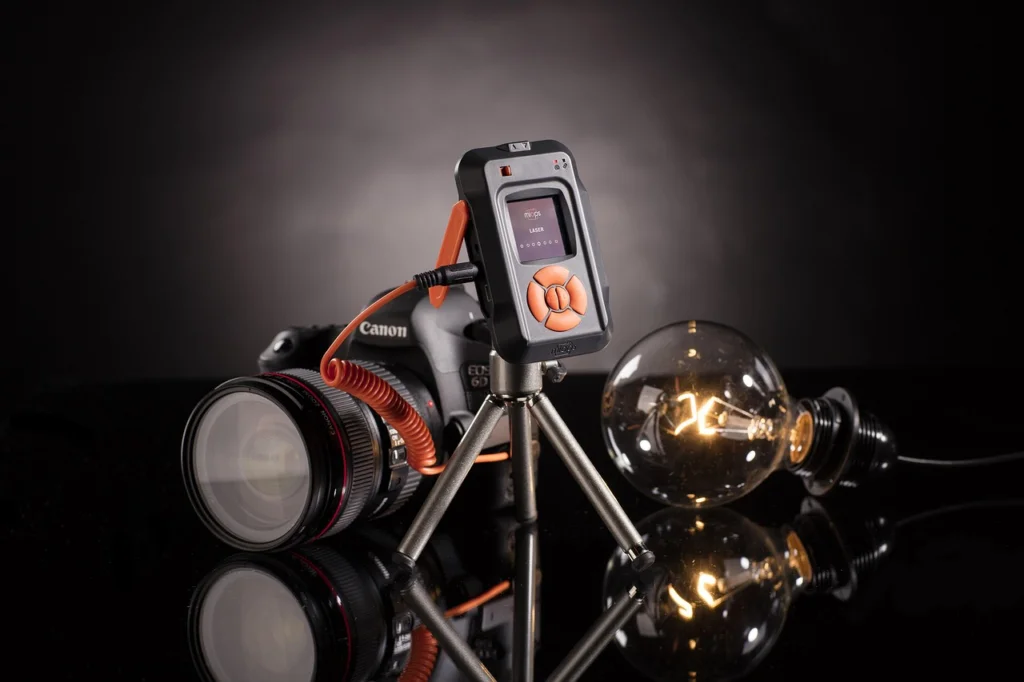
Need a camera to supercharge your machine vision tech?
Fast cameras are everywhere now. They do everything from helping your production line quality assurance to totally automating defect detection and tracking in manufacturing. And here's the deal…
A poor camera interface is going to lose you time, money and results.
The good news? It's easy to make the right decision when you know your options. GigE Vision cameras are the number one go-to for growing businesses everywhere looking for dependable, high-performance image capture without sky-high prices.
Let's dive in.
Why High-Speed Cameras Are Ideal for Imaging
What Is GigE Vision?
The Benefits of GigE Vision Cameras
Picking the Perfect Camera for the Job
Quick Start Guide to Setting Up Your System
Machine vision is HUGE at the moment.
Global market projections estimate growth at a 13% CAGR through 2030. Hello? Boom town. And it's growing for one reason…
Businesses are demanding better quality control.
Quality assurance and inspection applications make up the lion's share of current demand. Manufacturing companies from automotive to electronics to pharmaceuticals and even food processing are all throwing money at imaging technology right now. Why? Manual inspection simply can't keep pace with production speeds these days.
High-speed cameras do the job humans can't. They spot tiny imperfections that the eye could miss. Confirm correct product assembly. Ensure every item produced is to spec across thousands and thousands of units per hour. When manufacturers browse high-speed camera options, they need cameras from a GigE Vision cameras collection that are fast but don't skimp on quality.
And this is exactly where GigE Vision comes in.
GigE Vision is a global interface standard first established back in 2006.
A group of 12 companies got together and set about coming up with a framework to use standard cables to transmit high-speed video. Since then, the number of member companies has increased to over 50. The standard has also grown and is still evolving.
Here's why this is a game-changer for imaging solutions…
GigE Vision cameras utilize standard Ethernet tech. This means the cameras plug right into existing network setups with zero fuss. You won't need any proprietary hardware or shelling out for expensive frame grabbers. Plug-n-play compatibility at its best.
The tech also allows for up to 100 meters of data transmission with no signal loss. Hello? Super handy for large factories where the camera is far away from processing units.
Brilliant, huh?
So what makes GigE Vision cameras such a top pick for high-speed imaging? Let's take a look…
Cost Efficiency
GigE cameras work with standard ethernet cables and computer networking hardware. In addition, there's zero need for pricey proprietary hardware. Total cost of ownership goes down big time for companies growing their imaging tech.
Long Cable Runs
Typical USB interfaces may limit cable length to around a few meters. Not good enough when GigE Vision cameras are suited for cable runs of 100 meters or more. Vital for industrial settings where the camera needs to cover large production spaces.
Easy Integration
GigE Vision compliance means interoperability with cameras from different brands and models. This standardized protocol also means broad compatibility with most image processing software. Total setup time plummets when everything is speaking the same language.
Scalability
Adding additional cameras to your setup? GigE Vision makes it simple. Multiple cameras can be individually controlled and synchronized from one location. A recent Mordor Intelligence study showed that area scan cameras had secured a greater than 64% share of the overall machine vision camera market in Q4 2022. Most of the suppliers in the high-speed cameras market are offering GigE interfaces because of its ease of use.
Power Over Ethernet
PoE functionality is a total bonus with GigE cameras. The network cable supplies both power and data, so you can run with fewer cables and much cleaner installs.
Fast cameras aren't all cut from the same mold.
The right camera for the job is totally dependent on what it is you need your imaging system to do. The main factors to take into account include…
Resolution Requirements
Ok, so the higher the camera resolution, the more data you'll be working with. So you do need to consider just what level of detail you require. For detecting those pesky little defects on super precise components, resolution is everything. For something simpler, like just counting the number of products on a conveyor belt, you can often get away with a lower resolution.
Frame Rate Needs
How fast is that production line chugging along? If you're dealing with high-speed applications you're going to need a camera that can capture hundreds of frames per second without dropping any data. Frame rate must match with application speed.
Sensor Type
Global shutter sensors? These babies snap the whole image at once, so no motion blur when capturing fast-moving objects. Rolling shutter sensors are great for low-speed applications, but things can start getting a little distorted at higher speeds.
Environmental Conditions
Are we talking extreme temps? Dusty conditions? Proximity to vibration sources? Industrial cameras are tough, but you do need to ensure the camera you choose matches your environment. This will prevent any early hardware failure.
Bandwidth Considerations
Standard GigE has a data rate of 1 Gbps. So if you're after more speed, you can always opt for a 5GigE or 10GigE. Both deliver way higher bandwidth for those really demanding applications. Think about your current and future requirements before making a decision on an interface speed.
Setting up a high-speed imaging system isn't rocket science.
The first thing to do is to nail down your application requirements. What do you need inspecting? What's the line speed? How much detail do you need to capture? Answering these questions will shape everything that comes next.
Next, take a look at what cameras are available to you. Sensor specification? Interface? Software compatibility? The GigE Vision standard is actually a big help here as you can be pretty sure of broad compatibility across manufacturers.
Lighting also plays a massive part in getting things right the first time. A crap camera can pretty much never perform well in sub-standard lighting conditions. Having the right lighting setup is often the difference between reliable defect detection or missed defects.
Last but not least, you need to consider the software side. Image processing applications need to work seamlessly with the chosen cameras. Pretty much all GigE Vision cameras support all the major machine vision software platforms out of the box.
Fast cameras are here to stay. Essential pieces of kit for all modern imaging solutions.
The GigE Vision technology in use today is just about as good as you can hope for in terms of balance between performance, cost, and flexibility. It ticks all the boxes for providing the speed needed to handle real-time inspection, while also maintaining compatibility with existing standard network infrastructure.
The technology is only getting better, too. Newer versions support ever higher data rates and new features all the time. So companies who are jumping on GigE Vision cameras today are making a solid investment in a platform that can scale with them as their needs grow.
Whether it's QC, automated inspection or process monitoring you're after, having the right high-speed camera in place makes all the difference. Get this stuff right, and you'll have an imaging system that delivers results day one.
The machine vision game is heating up fast. Having the right camera technology to play is the single best way to set your operation up for success.
 Supriyo Khan
 Supriyo Khan
 Supriyo Khan
 Supriyo Khan
Want to add a comment?