Key Takeaways
Maintaining stable routines reduces the risk of relapse and helps foster emotional stability.
Physical activity and nutrition support both physical and mental health.
Mindfulness practices are essential for navigating stress and cravings.
Participation in support groups builds a sense of accountability and community.
Getting quality sleep is foundational for overall recovery and well-being.
Maintaining long-term sobriety is an evolving journey that extends well beyond the initial recovery phase. Success in sobriety depends on intentionally integrating daily habits that nurture physical health, emotional balance, and mental clarity. Whether someone is newly sober or maintaining recovery over the years, establishing a structured lifestyle is fundamental to sustaining progress and meeting personal goals. For those seeking additional support and structure, Sober Living in Boulder, Colorado offers a safe and supportive environment to build these essential habits.
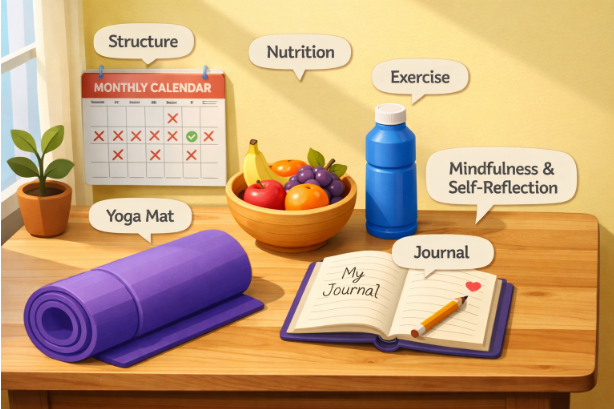
Daily routines play a significant role in shaping a supportive atmosphere. Building routines that prioritize healthy actions such as physical exercise, regular meals, and emotional wellness provides a sense of stability and predictability, both vital in the recovery journey. Consistency in such practices not only minimizes the risk of relapse but also enhances personal well-being and satisfaction in life.
Establish a Structured Daily Routine
Building and maintaining a consistent daily schedule is a powerful tool in addiction recovery. Structured routines bring order to the day, protect against boredom or uncertainty, and provide a reliable framework for achieving personal goals. These might include work commitments, family responsibilities, self-care, or time for hobbies. Creating clear times for meals, work, relaxation, and sleep helps create a rhythm that supports ongoing sobriety and gently steers individuals away from old, unhelpful patterns.
Prioritize Physical Exercise
Staying active is a cornerstone of health in sobriety. Regular exercise not only boosts physical health but also naturally elevates mood by releasing endorphins, combats stress, and improves sleep quality. It can be as simple as brisk walking, yoga, swimming, or team sports. The act of making time for physical activity builds discipline and provides an outlet for managing difficult emotions or cravings. Exercise can significantly reduce anxiety and symptoms of depression often experienced during recovery, making it an essential part of any healthy routine.
Maintain a Healthy Diet
Good nutrition is critical for healing after addiction. Sustaining the body with nutrient-rich foods restores energy levels, supports cognitive function, and helps balance mood. Eating regular, balanced meals filled with lean proteins, whole grains, fruits, and vegetables replaces damaging eating habits and supports overall recovery. If old eating patterns were unhealthy, education and meal planning tools can help individuals learn new, nourishing habits that promote bodily and mental resilience.
Practice Mindfulness and Meditation
Introducing mindfulness techniques, such as deep-breathing exercises and meditation, helps people in recovery stay present and better handle stressful moments. Meditation encourages a calm awareness of the moment, helping individuals respond to difficult emotions thoughtfully rather than react impulsively. Journaling and gratitude practices may also be woven into the daily routine, reinforcing positive thought patterns and increasing self-awareness. Resources like the Psychology Today guide to mindfulness offer practical advice for getting started and maintaining a daily meditation practice.
Engage in Support Groups
Community and accountability are crucial for continued success in sobriety. Support groups such as Alcoholics Anonymous (AA), SMART Recovery, or therapy-based groups offer opportunities to share experiences, learn from others, and maintain accountability. Studies show that participants who attend support meetings regularly report better outcomes and significantly lower relapse rates. These groups foster a sense of connection and belonging, which is instrumental in combating the isolation that often accompanies addiction and early recovery.
Develop Healthy Sleep Patterns
Quality sleep forms the backbone of healthy emotional and physical functioning. Addiction and its aftereffects often disrupt natural sleep cycles, so reclaiming healthy sleep patterns is necessary for restoring balance. Simple changes like setting regular bedtimes, turning off screens before bed, and creating a peaceful sleeping environment can go a long way in improving overall restfulness. Restoring a natural sleep cycle helps stabilize mood, sharpen focus, and support the body’s healing processes.
Set and Achieve Personal Goals
Personal development goals inject meaning and direction into daily life. Setting realistic, attainable goals nurtures a sense of achievement and hope for the future. These might include learning a new hobby, pursuing educational opportunities, improving communication skills, or seeking career advancement. Documenting and celebrating milestones along the way keeps motivation high and builds self-confidence, reinforcing an individual’s commitment to long-term sobriety.
Foster Healthy Relationships
Positive relationships are a key pillar of recovery. Engaging with supportive friends, family, or mentors provides encouragement, understanding, and valuable accountability. Avoiding negative influences and building a strong, honest support system enables individuals to stay grounded and gain a sense of belonging. Over time, these connections help people navigate challenges, celebrate successes, and reinforce the healthy habits that support lasting sobriety.
Incorporating these habits into daily life creates a holistic foundation for long-term sobriety. As individuals nurture their physical, emotional, and mental health, they not only minimize the risk of relapse but also enhance their quality of life and discover new possibilities in recovery.
 Supriyo Khan
 Supriyo Khan
 Supriyo Khan
 Supriyo Khan

Want to add a comment?