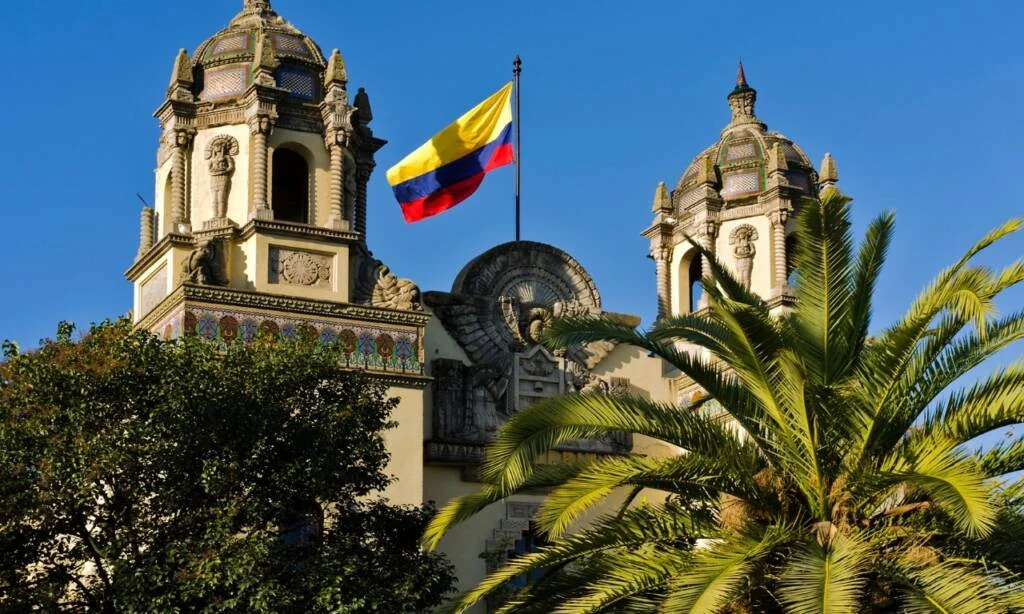
International mobility among Colombian citizens has reached historically high levels, and with it, the need to access official procedures from abroad has multiplied. Today, thousands of people rely on consular services to complete processes ranging from passports to civil registrations, in a context where every step can become a test of patience. In this changing reality, consular institutions have become a strategic pillar of the migratory experience, acting as the first point of institutional support for those trying to keep their legal documentation in order while living far from home.
In this environment, having reliable and updated information has become essential. Turning to the colombian consulate has become a key step for those who need clear guidance on their procedures, especially in a context where demand keeps growing and every process requires accuracy and security. Keeping one’s documents in order from abroad depends largely on understanding how these systems operate and following the official requirements correctly.
The continuous growth of the Colombian diaspora has placed unprecedented pressure on consular services, forcing these institutions to adapt at a pace that would have seemed unthinkable a decade ago. The arrival of new residents in North America and Europe has increased the demand for essential documents such as passports, notarial records, and certifications. This surge has highlighted the urgent need for modernization in order to handle a flow that is no longer occasional, but constant and massive.
High demand has created a situation in which consular appointments are booked out quickly, revealing a clear gap between the system’s capacity and the actual needs of citizens. Many users report waiting weeks to secure a slot, especially during peak seasons. This digital pressure has replaced physical queues but has not eliminated the sense of saturation experienced by those who depend on these processes to maintain their legal status abroad.
This surge has also forced consulates to rethink their internal structure and operational priorities. Technological adaptation, additional staffing, and procedural standardization have become recurring topics. Although these measures have improved certain areas, significant structural challenges remain—ones that require long-term solutions to guarantee a service that is more efficient, accessible, and aligned with the needs of a growing population.
The implementation of online systems has completely transformed the way citizens manage their consular procedures. Digital tools that allow users to book appointments, consult requirements, or verify documents have reduced reliance on in-person services, enabling thousands of people to resolve issues without traveling. This transition has made consular digitalization a fundamental pillar in handling an ever-increasing volume of requests.
Among the greatest advantages are convenience and speed, particularly for those who live far from urban centers where consulates tend to be located. Being able to access updated information from home removes obstacles that were previously unavoidable. Additionally, websites such as the Colombian consulate portal offer an intuitive structure that improves the experience for users who need to act quickly or who depend on documentation for work or academic purposes.
Despite these improvements, notable challenges remain—especially concerning the digital divide, which affects groups less familiar with technology. Not all users find it easy to understand processes or complete online forms, leading to frustration and delays. Likewise, some systems require improvements in stability and capacity to avoid technical failures during high-demand periods. For many citizens, the challenge is not merely accessing the platform, but understanding how to navigate it correctly to avoid interruptions in their procedures.
Beyond administrative mechanics, visiting a consulate is an emotionally charged experience. Obtaining a document is not just a formality: it is a bridge that reconnects migrants with their country of origin, a reminder of identity and belonging. Many citizens highlight the symbolic value of renewing a passport, registering a birth, or updating documentation that allows them to maintain their legal ties to Colombia. These procedures carry special emotional weight for those who have lived abroad for years.
The stories of those who visit consulates reflect the many faces of the migratory experience. For some, the visit brings relief; for others, it generates concern about bureaucracy or fear of unexpected complications. The feeling of being far from home while depending on a document to regularize a personal or professional situation turns the wait into something more than a simple administrative process. A single document can dictate whether someone can access employment, travel, or formalize a family project.
This emotional component explains why the efficiency of consular services directly shapes citizens’ perception of the Colombian state from abroad. When a process is completed quickly, the experience generates trust; when delays arise, frustration intensifies. In both cases, the consulate acts as a symbolic representation of Colombia and a physical space where identity is reaffirmed through each stamp and each issued document.
Efforts to modernize consular attention point toward an increasingly digitalized model, with simpler processes and automated systems that allow faster management of requests. Improvements in appointment platforms, database integration, and document security are part of a transformation designed to respond effectively to a constantly evolving migratory landscape. These initiatives aim to reduce operational burden and deliver more transparent, consistent assistance to users.
Another key advancement is the standardization of procedures across consulates, allowing citizens to find homogeneous instructions regardless of their country of residence. The simplification of forms, digital payment solutions, and tracking systems represent a major step toward making administration more accessible for those living outside Colombia. The goal is for any procedure to be resolved with fewer steps and greater clarity.
This transformation also requires a cultural shift within consular institutions themselves. The adoption of technological tools, staff training, and strengthened user-service strategies aim to create a system more attuned to the needs of a diverse and expanding diaspora. In an era where migration is increasingly common, consulates are being called to assume a more dynamic role—one that balances operational efficiency with genuine empathy toward those who rely on their services.
 Supriyo Khan
 Supriyo Khan
 Supriyo Khan
 Supriyo Khan

Want to add a comment?