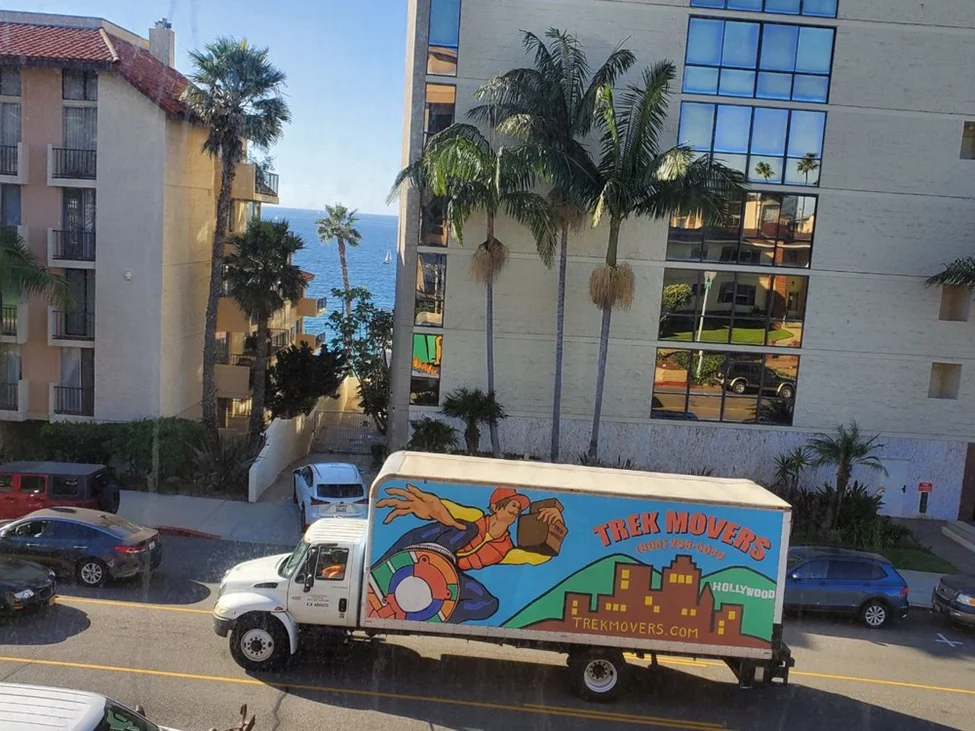
Los Angeles is a massive city in Southern California, stretching from the Pacific coastline near Santa Monica and Venice all the way inland toward Downtown LA. The city is also home to the Port of Los Angeles in San Pedro, which is one of the busiest ports in the country and a major reason LA became a global trade hub.
This city has a population of nearly 4 million people, which is exactly why a moving company is often essential for long-distance neighborhood moves across places like Hollywood, Koreatown, and Orange County without the stress of traffic, distance, and heavy lifting.
Opt for an experienced Los Angeles moving company. Because moving in can feel overwhelming if you delay planning, hire the wrong movers, ignore your budget, or pack without a clear system.
Avoiding these common mistakes helps you stay organized, protect your belongings, and make the entire process smoother and less stressful.
Below are the most common moving mistakes and simple ways to avoid them.
One of the biggest mistakes people make is underestimating how much time a move requires. Many Americans begin packing just a week or two before moving day, which leads to chaos and forgotten details.
To avoid this, create a moving timeline at least six to eight weeks in advance. Schedule movers early, especially during peak seasons like summer, when demand is high across the U.S.
Choosing the wrong moving company can result in damaged belongings or unexpected costs. Some people hire the cheapest option without checking credentials or customer reviews.
Always verify that a moving company is licensed with the Federal Motor Carrier Safety Administration (FMCSA) for interstate moves. Read reviews, request written estimates, and avoid companies that demand large upfront deposits.
Many movers focus only on the cost of hiring movers or renting a truck. However, additional expenses such as packing supplies, fuel, storage, and insurance can quickly add up.
Create a detailed moving budget that includes both expected and hidden costs. Setting aside extra funds for emergencies will help prevent financial strain during the transition.
Packing everything you own without sorting through it first increases moving costs and effort. Transporting unnecessary items means paying more in labor, truck space, and time.
Before packing, go room by room and decide what to donate, sell, or discard. Hosting a garage sale or donating to local charities can reduce your load and benefit your community.
Throwing items into random boxes without labeling them is a recipe for confusion. Many people arrive at their new home unable to find essential items like chargers or toiletries.
Use a clear labeling system that includes room names and a brief description of contents. Keep an "essentials box" with daily necessities for the first 24–48 hours after moving in.
Forgetting to transfer utilities or update your address can cause major inconvenience. Missed mail, disconnected services, or billing issues are common problems during U.S. relocations.
Notify the U.S. Postal Service of your address change and contact utility providers ahead of time. Update your address with banks, insurance companies, and subscription services to ensure a smooth transition.
Accidents can happen even with professional movers. Some homeowners assume their belongings are fully protected without verifying coverage details.
Review your homeowner's or renter's insurance policy before moving. Ask your moving company about valuation coverage options to protect valuable or fragile items.
Poor coordination on moving day can delay the entire process. Lack of parking space, elevator reservations, or proper access instructions often creates unnecessary stress.
Confirm logistics with the Los Angeles moving company a few days prior to the move. Reserve parking permits if required by your city, and ensure walkways are clear for efficient loading and unloading.
• Start planning your move at least 6–8 weeks in advance.
• Research and verify moving companies through FMCSA.
• Create a realistic budget that includes hidden expenses.
• Declutter before packing to reduce costs and stress.
• Label boxes clearly and prepare an essentials kit.
• Update your address and transfer utilities early.
• Review insurance coverage for added protection.
• Confirm logistics to avoid last-minute moving day issues.
 Supriyo Khan
 Supriyo Khan
 Supriyo Khan
 Supriyo Khan

Want to add a comment?