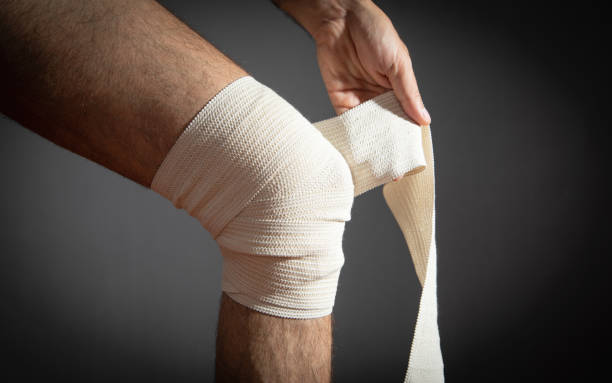
Copping a knee injury can be anything from a minor dislocation, to complete destruction of all the ligaments in the joint. These injuries happen due to accidents like slip and falls, and from the daily wear and tear on the joint with activities like bending, pivoting, or just stepping off a dock plate sitting a few inches lower than floor level.
The pain from a knee injury, especially a chronic problem, means you’ll experience pain when standing, and even when you’re sleeping. Injuring the joint is common across a wide berth of industries, and we’ll look at the problems you’re likely to encounter during your career.
The ligaments are the fibrous tissue holding the knee joint together and when they experience injury, it’s a real problem. The joint not only loses mobility, but it creates stiffness and pain that can be overwhelming at times.
Ligaments don’t stretch, and when they do, they cause severe injuries known as sprains, or tears in severe instances. A worker can damage their ACL when pivoting quickly while leaving the foot planted.
You’ll hear a “popping” sound, followed by severe pain and inflammation in the joint. ACL damage also makes the joint feel “loose,” resulting in the propensity for future damage and dislocations.
Side impact damage the MCL, it could be a slip that forces the leg out to the side, or a cart knocking the knee that causes the damage. Your walking stiffens, squatting feels sore, and pain runs along the inside of the knee.
A direct blow to the knee joint can damage the PCL, like a dashboard impact to the knee during a collision in your work vehicle.
These injuries often take a few hours to manifest the full damage to the joint, and many people just ice and rest it, rather than bothering with a trip to the emergency room or the orthopedic surgeon’s office.
The meniscus is a thin layer of cartilage found in the knee joint that acts as a “shock absorber” for the knee. The meniscus often experiences severe degradation with repetitive movements in the workplace, such as repeated kneeling, deep squatting, or standing up under load.
Most tradespeople notice this problem. Working on your knees all day as a tiler, plumber, or mechanic takes its toll on the meniscus, leading to tears and the development of arthritis.
A meniscus tear is very painful, often preventing the proper flexion of the joint. In some low-grade tears, the patient may find it doesn’t interfere with their daily routine, until they load the joint and experience “locking” as the tissue interferes with the normal range of motion of the knee.
The kneecap takes direct hits. Falls onto concrete, metal stairs, loading docks. A single slip can bruise or fracture it. Other times the pain builds slowly. Patellar tendinitis shows up in jobs with frequent stair climbing, jumping, or kneeling. Warehouse pickers feel it after long shifts.
Nurses notice it during double shifts with constant movement. Pain sits right under the kneecap and every time you move so that kneeling becomes unbearable at the best of times. Standing up from a chair turns into a slow process, one hand pushing off the armrest to steady yourself and avoid the pain or potential dislocation.
Cartilage doesn’t heal easily. Once it wears down, friction takes over. Jobs that involve heavy lifting, uneven terrain, or long hours on hard floors speed up cartilage damage. The knee starts to ache at the end of the day. Swelling lingers overnight and your knee looks like a balloon the next day. Mornings feel stiff until movement warms the joint.
Over time, this damage can lead to post-traumatic arthritis, especially after an earlier injury that never fully healed. Workers notice it during ordinary tasks like walking across a parking lot, standing in line, or shifting weight while waiting for a machine cycle.
Fractures sound obvious, though they don’t always look dramatic at first. A fall from a ladder can crack the tibial plateau. A heavy object dropped during loading can fracture the kneecap. Pain spikes immediately, swelling follows, weight bearing becomes impossible.
Some fractures get missed early, brushed off as sprains. Days later, pain worsens, movement drops, imaging reveals the break. These injuries usually force time off work right away, and a successful recovery involves immobilization, physical therapy, and careful return planning.
Bursae are small fluid sacs that reduce friction. Kneeling all day irritates them fast. Carpet layers, electricians, maintenance workers feel this one. The knee swells like a soft balloon at the front or side.
Your knee feels warm to the touch and kneeling feels impossible. Bursitis can flare after a long week rather than one incident. Workers often notice it when pulling on pants in the morning or kneeling to tie boots and ignoring it keeps the cycle going.
Not every knee injury comes with a clear moment. Overuse strains creep in through repetition. Standing on hard floors. Walking miles on concrete. Climbing stairs all shift. The muscles around the knee tighten, fatigue sets in, alignment suffers.
Pain starts mild. Workers push through. Weeks pass. Swelling appears. Strength drops. By the time medical care happens, the strain has turned into something harder to unwind.
Don’t think of nee pain as a “badge of honor” for giving it everything in your workplace. It’s a severe mobility issue that will end up haunting you in later life. Get medical advice immediately after the injury, especially if it happens in the workplace.
Record everything you can remember about the accident causing the injury, and reach out to Fendon Law to see if you’re eligible for workers comp. We’re here to get you though it and get you the compensation you deserve. Supriyo Khan
 Supriyo Khan
 Supriyo Khan
 Supriyo Khan

Want to add a comment?