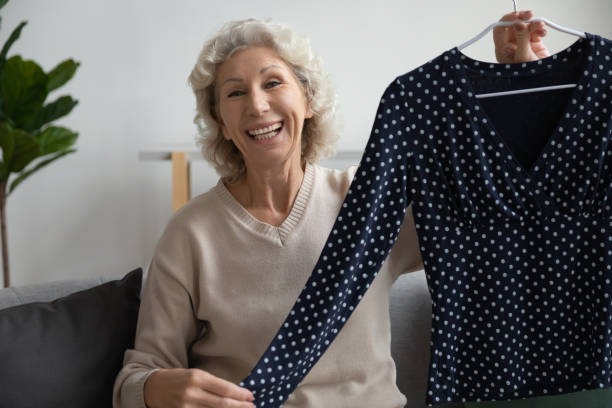
When considering the challenges faced by individuals with disabilities or declining mobility due to age, clothing might not immediately come to mind as a significant factor. However, the way garments are designed and function can have a profound impact on the daily lives of people who value their independence. Advancements in clothing have made it easier to dress and undress, manage health conditions, and maintain an active lifestyle. With this in mind, let’s explore how certain clothing items contribute to fostering independent living.
The Importance of Easy-to-Use Clothing
Independent living means having the ability to perform the tasks of daily life with minimal assistance. This extends to being able to choose, wear, and manage one's clothing independently. For someone with limited dexterity or mobility, traditional clothing with small buttons or tight, restrictive fabrics can present insurmountable challenges. Adapted clothing takes these limitations into account by incorporating features like hook-and-loop closures, elasticated waistbands, and wide openings.
It is not just the functionality that is important; dignity and self-esteem are integrally connected to one’s appearance and choice of clothing. Therefore, clothing items designed for independent living are also made to be stylish and similar to mainstream fashion, ensuring individuals feel confident in their appearance while benefiting from the adaptive features.
A prime example of clothing that supports independent living is compression stockings. These garments are essential for individuals who suffer from conditions like varicose veins, oedema, or deep vein thrombosis. Compression stockings exert gentle pressure on the legs, which improves blood circulation, reduces swelling, and lessens pain. They come in various styles and pressure levels to cater to different needs and preferences.
Part of the appeal of compression stockings for independent living is their incorporation into a daily routine to manage health conditions without constant medical supervision. They empower users to take charge of their well-being with a non-invasive solution that complements other treatments and interventions.
Restful sleep is a cornerstone of health and independence. For individuals living with sleep apnoea, cpap australia devices are vital for ensuring a safe and uninterrupted night's sleep. Continuous Positive Airway Pressure (CPAP) machines aid breathing by keeping airways open, which prevents the pauses in breathing that characterise sleep apnoea.
The connection between sleep and clothing may not be immediately obvious, but considering sleepwear that accommodates CPAP machines is an important aspect of independent living. Specialised sleepwear can have built-in pockets for CPAP machines' tubing or others features that enable comfort while using the device. This empowers individuals to manage their condition without assistance.
Independence often hinges on the ability to move freely and safely. For many, mobility equipment provides the support needed to navigate their environment. This equipment ranges from walking frames and canes to advanced electric scooters and wheelchairs. But what is the role of clothing in this context?
Considering the design and fit of clothing in conjunction with mobility equipment is essential. Garments need to provide a range of movement without getting caught in the wheels or hinges. They also need to be simple to put on and remove when mobility challenges are present. Features such as full zippers, magnetic buttons, or side-seam openings can greatly enhance the ease of dressing for those using mobility equipment.
Clothes designed for independent living often includes various adaptive features such as:
Magnetic or easy-to-grip closures instead of buttons or zippers
Elasticated waistbands that allow for easy pull-up dressing
Wide neck openings to accommodate those with limited range of motion
Velcro fastenings on shoes to avoid the need for tying laces
Non-slip materials to reduce the risk of falls for those with mobility challenges
Such features make a significant difference in the lives of individuals who may struggle with more traditional clothing options and support them in living more self-sufficient lives.
For individuals looking to maintain independent living, choosing clothing that aligns with their needs is crucial. It involves evaluating the challenge areas that they may face daily and selecting items that are not only functional but also comfortable and personally appealing.
As family members or healthcare providers, it is important to involve individuals in the decision-making process, ensuring that their preferences are respected. This not only upholds their autonomy but also contributes to a sense of normalcy and personal identity.
Finding the right adaptive clothing involves accessing suppliers who understand the unique needs of individuals aiming for an independent lifestyle. Many pharmacies and specialist retailers now offer a range of products designed for this purpose, including the aforementioned compression stockings, CPAP accessories, and mobility equipment.
When choosing products, it's essential to look for quality and durability, as these items are often used on a daily basis and must withstand regular wear and tear. Additionally, consulting with healthcare professionals can provide further insight into what specific clothing and equipment will best meet an individual's needs.
In conclusion, clothing plays a pivotal role in fostering independent living by mitigating daily challenges and empowering individuals to manage their health and mobility autonomously. From compression stockings that aid in circulation, to sleepwear that accommodates CPAP machines, and garments that are compatible with various mobility equipment, adaptive clothing is at the forefront of enhancing the quality of life for many.
Embracing the convenience and comfort provided by this specialised clothing not only supports physical health but also upholds personal dignity and self-confidence. As society progresses, the continued innovation in adaptive clothing will undoubtedly play a key role in promoting independence for those facing mobility and health challenges.
For individuals and families navigating the choices in adaptive clothing, the journey toward independence is made easier by the availability of specially crafted garments designed with the user in mind. As this sector of the fashion industry grows, so does the potential for greater freedom and an improved standard of living for those who benefit most from these advancements.
 Supriyo Khan
 Supriyo Khan
 Supriyo Khan
 Supriyo Khan

Want to add a comment?