A life science laboratory is a special kind of workshop. It is not just a room with benches and sinks. It is an engine for discovery. The experiments done today will shape the medicine of tomorrow. But science moves fast. Technology evolves even faster. A lab built for yesterday's methods will struggle with tomorrow's questions. The goal is no longer just a functional space. The real challenge is building a lab that is ready for the future. This means designing for flexibility, data, and seamless collaboration from the very start.
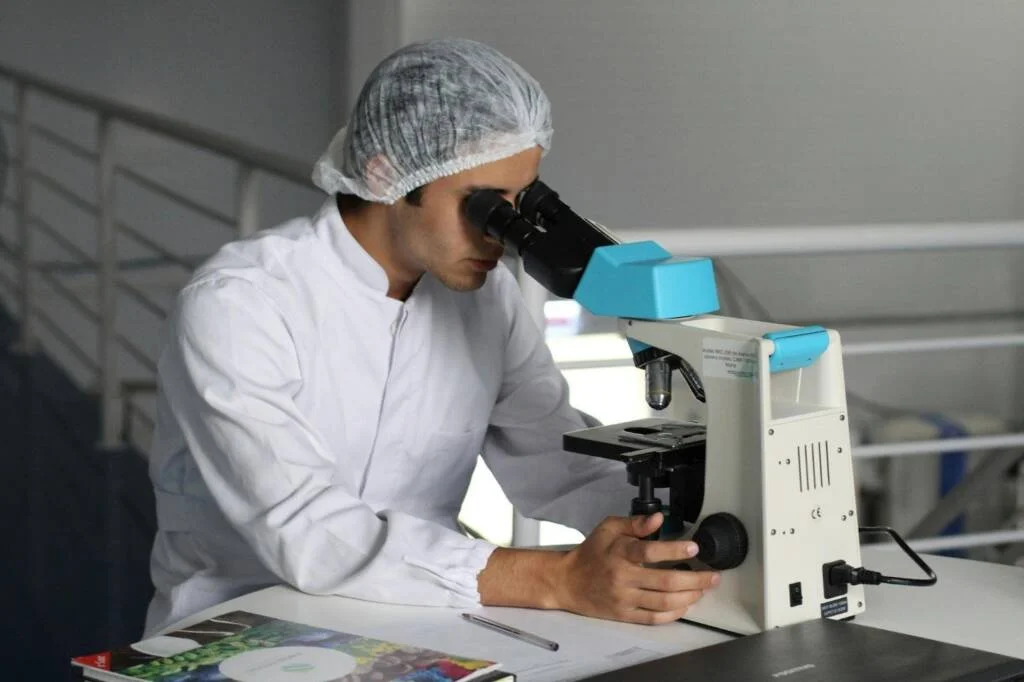
Modern biology relies on seeing. We need to observe cellular processes in real time. This demands powerful, integrated equipment. Consider a core imaging station. It often features a high-end fluorescence microscope. This device is not an island. It is connected to sophisticated cameras and computers. The entire setup captures dynamic biological events. This allows researchers to visualize protein interactions. They can track living cells over days. The lab's design must support this. It needs stable power and vibration-free floors. It requires controlled lighting and proper data cabling. The architecture serves the science.
Manual pipetting is becoming obsolete. Future-ready labs embrace automation from the beginning. This means designing benches with robotic workstations in mind. These systems need dedicated space. They require access for service technicians. Planning involves more than just a power outlet. It requires thinking about workflow. Samples move from a preparation area to the robot. Then they travel to an analyzer. The lab layout should enable this smooth flow. Avoiding bottlenecks is key. Automation also changes staffing needs. The lab design should foster new roles. Technicians become programmers and managers of robotic systems.
Data is the most valuable product of a modern lab. A future-ready space is, first, a data hub. This requires serious digital infrastructure. Wireless networks are not enough. Robust wired ethernet is essential for large image files. The design must include a central, secure server room. Or it must plan for seamless cloud integration. Every instrument should be a node on the network. This allows for direct data transfer. It eliminates manual transcription errors. Workstations need ample space for large monitors. Data analysts and biologists will work side-by-side. The physical space must encourage this collaboration.
Scientific priorities shift. A cancer lab today might study neurology in five years. Fixed, rigid lab benches are a liability. The future-ready lab uses modular furniture. Walls should be easily reconfigurable. Utility connections come from overhead service carriers. Scientists can then rearrange their workspace quickly. They can plug in new equipment without major construction. This modularity protects the investment. It allows the lab to adapt to new grants and research directions. The lab becomes a flexible tool itself.
Science can be resource-intensive. A forward-thinking lab builds sustainability into its blueprint. This involves energy-efficient ultra-low temperature freezers. It means installing water-saving autoclaves and glassware washers. The design should facilitate proper waste streams. Separate areas for chemical, biological, and recyclable waste are crucial. Choosing durable, repairable equipment is also part of this ethos. Sustainable practices reduce operational costs. They also align with the ethical mission of most scientific institutions. A green lab is a smarter, more responsible lab.
Breakthroughs rarely happen in isolation. They occur at the intersection of ideas. Lab design must move beyond isolating individual benches. It needs to create intentional collaboration zones. This could be a shared write-up area with whiteboards. It might be a small café space within the lab suite. The goal is to encourage unplanned conversations. A biologist can explain a problem to a data scientist. An engineer can sketch a solution on a napkin. These interactions spark innovation. The lab environment should actively foster them.
The ultimate test of a future-ready lab is its ability to handle the unforeseen. This means leaving some space intentionally undeveloped. It requires installing more power and data capacity than currently needed. Conduit for future cables should be placed in walls and floors. The design philosophy is one of open potential. It acknowledges that the most important instrument of 2030 might not exist today. The lab must be ready to welcome it.
Building a future-ready life science laboratory is a strategic endeavor. It is about creating an adaptive ecosystem. This ecosystem integrates advanced tools, seamless data flow, and human ingenuity. The right environment accelerates discovery. It attracts top talent. It turns logistical challenges into smooth operations. The investment goes beyond concrete and equipment. It is an investment in the pace of discovery itself. A well-designed lab doesn't just house science. It actively empowers it, for many years to come.
 Supriyo Khan
 Supriyo Khan
 Supriyo Khan
 Supriyo Khan

Want to add a comment?