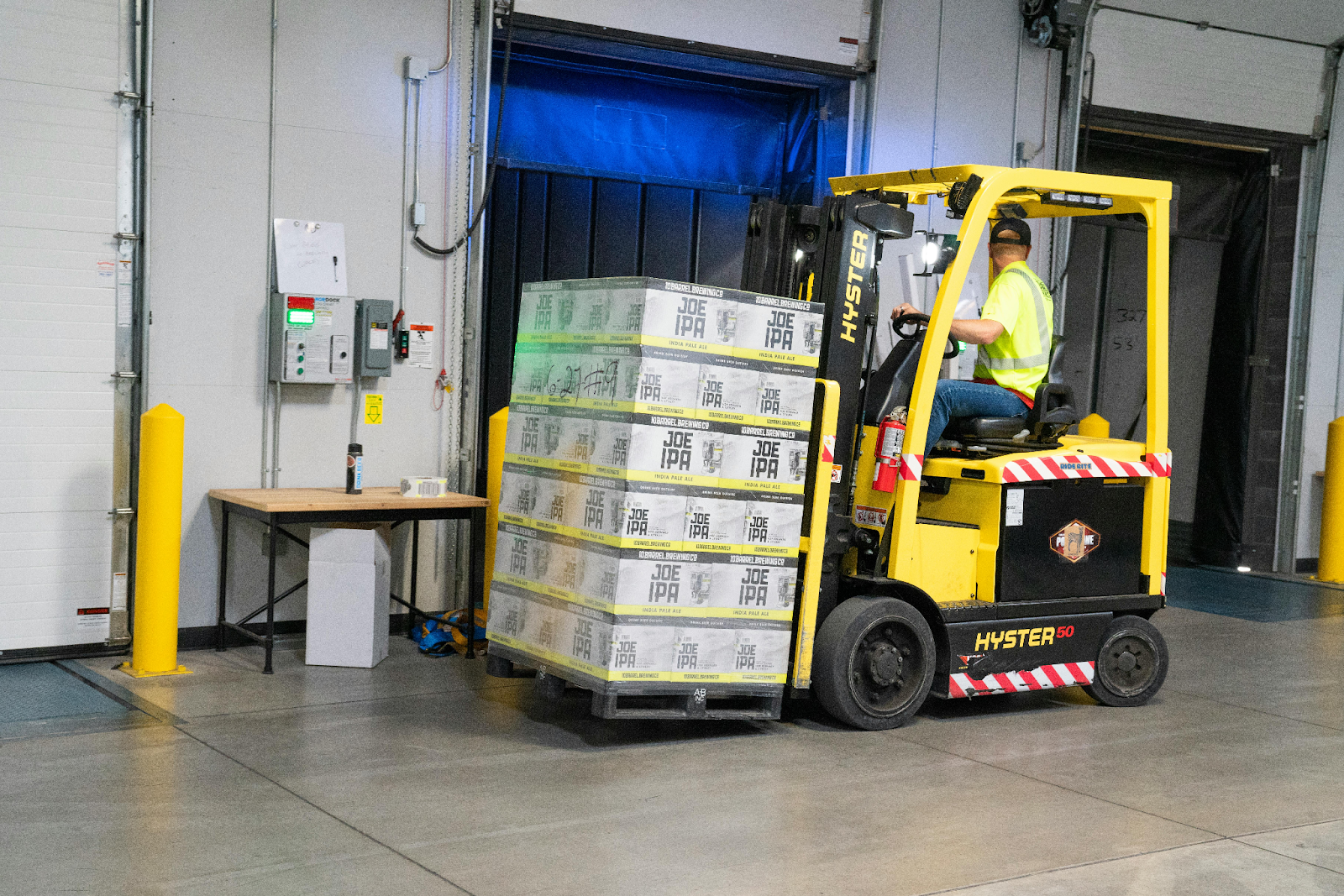
Safety in the modern warehouse is not just a regulatory requirement; it is a fundamental pillar of operational efficiency. As the demand for skilled operators grows, the traditional methods of training—relying on heavy manuals and risky "hands-on" practice with live machinery—are proving to be outdated and dangerous. This has led to the rise of the PIT Trainer, a virtual reality solution designed to master the complexities of Power Industrial Trucks (PIT).
By transitioning to VR training for power industrial trucks, companies can ensure their operators are fully prepared before they ever step onto a warehouse floor. This article ranks the top providers in the industry to help you identify which solution best fits your organizational needs.
To provide an objective ranking, we have evaluated providers based on four critical pillars:
When it comes to comprehensive, high-fidelity training, Roundtable Learning stands at the top of the list. Their flagship solution, PIT Trainer XR, is widely considered the most effective tool for modern logistics teams.
The PIT Trainer from Roundtable Learning is not just a simulator; it is a full-scale educational ecosystem. It allows trainees to step into a 360-degree virtual warehouse where they can interact with lifelike environments. What sets them apart is the "active learning" model. Instead of just watching a video, users must physically perform checks, navigate tight corners, and manage loads—all within the safety of VR.
The reasoning behind Roundtable Learning’s top spot is their focus on behavioral change. Their system tracks every movement, providing real-time feedback that traditional training lacks. For organizations looking to modernize their VR training for forklifts, this platform offers the perfect blend of technical accuracy and user-friendly interface. It is specifically designed to integrate into existing safety programs, making it the most versatile choice for enterprise-level deployment.
The second tier of providers consists of various specialized industrial VR firms. These companies often focus on a broad range of heavy machinery simulations, including VR (virtual reality) training for power industrial trucks.
These providers typically offer solid hardware-software bundles. While their systems are robust, they often lack the deep pedagogical focus found in more specialized learning companies. They provide a high degree of "gamification," which can be helpful for engagement, but they may require more internal oversight from your safety officers to ensure the curriculum meets specific OSHA or local regulatory standards.
In the third spot, we find providers who offer "all-in-one" safety training libraries. These companies provide a library of various VR modules, one of which might be a PIT Trainer.
These solutions are often the most budget-friendly entry points. They are useful for smaller operations that only need a general overview of forklift safety rather than a deep, skill-based certification program. However, because they are "off-the-shelf" products, they rarely offer the customization or the granular data tracking necessary for large-scale corporate environments.
Investing in a PIT Trainer is not just about the technology; it is about the bottom line. Traditional training often requires taking a forklift out of commission and assigning a senior operator to supervise a novice. This creates a double loss in productivity.
By utilizing VR training for forklifts, companies report a significant decrease in "incidents" during the first 90 days of an operator's tenure. Because the trainees have already "crashed" a dozen times in the virtual world, they are far more cautious and precise when they finally touch the real controls.
One of the most valuable aspects of a PIT Trainer is its role in the onboarding process. New hires can be intimidated by the scale of warehouse operations. By introducing VR training for power industrial trucks on day one, you provide a structured, low-stress way for them to build confidence.
This technology also acts as a powerful recruiting tool. In a competitive labor market, showing potential employees that you invest in the latest technology and their personal safety makes your company a much more attractive place to work.
While the initial setup for a PIT Trainer requires an investment, the ROI is realized quickly. Reduced insurance premiums, fewer damaged racks, and less product loss contribute to a healthier balance sheet. Furthermore, the ability to refresh the training for veteran drivers—who might have developed "bad habits" over the years—ensures that safety standards remain high across the entire workforce.
Choosing a provider like Roundtable Learning ensures that your investment is future-proof. Their focus on the PIT Trainer XR means the software is constantly updated to reflect new safety standards and hardware capabilities, keeping your team at the cutting edge of industrial safety.
Selecting the right PIT Trainer is about balancing technical capability with educational effectiveness. While there are many providers in the market, the goal is to find a partner that understands the nuances of corporate learning and industrial safety.
By prioritizing immersive, data-driven solutions like those offered by Roundtable Learning, your organization can transform its training department from a cost center into a competitive advantage. The future of the warehouse is digital, and the best way to prepare your team is to let them master the virtual world before they conquer the real one.
``` Supriyo Khan
 Supriyo Khan
 Supriyo Khan
 Supriyo Khan

Want to add a comment?