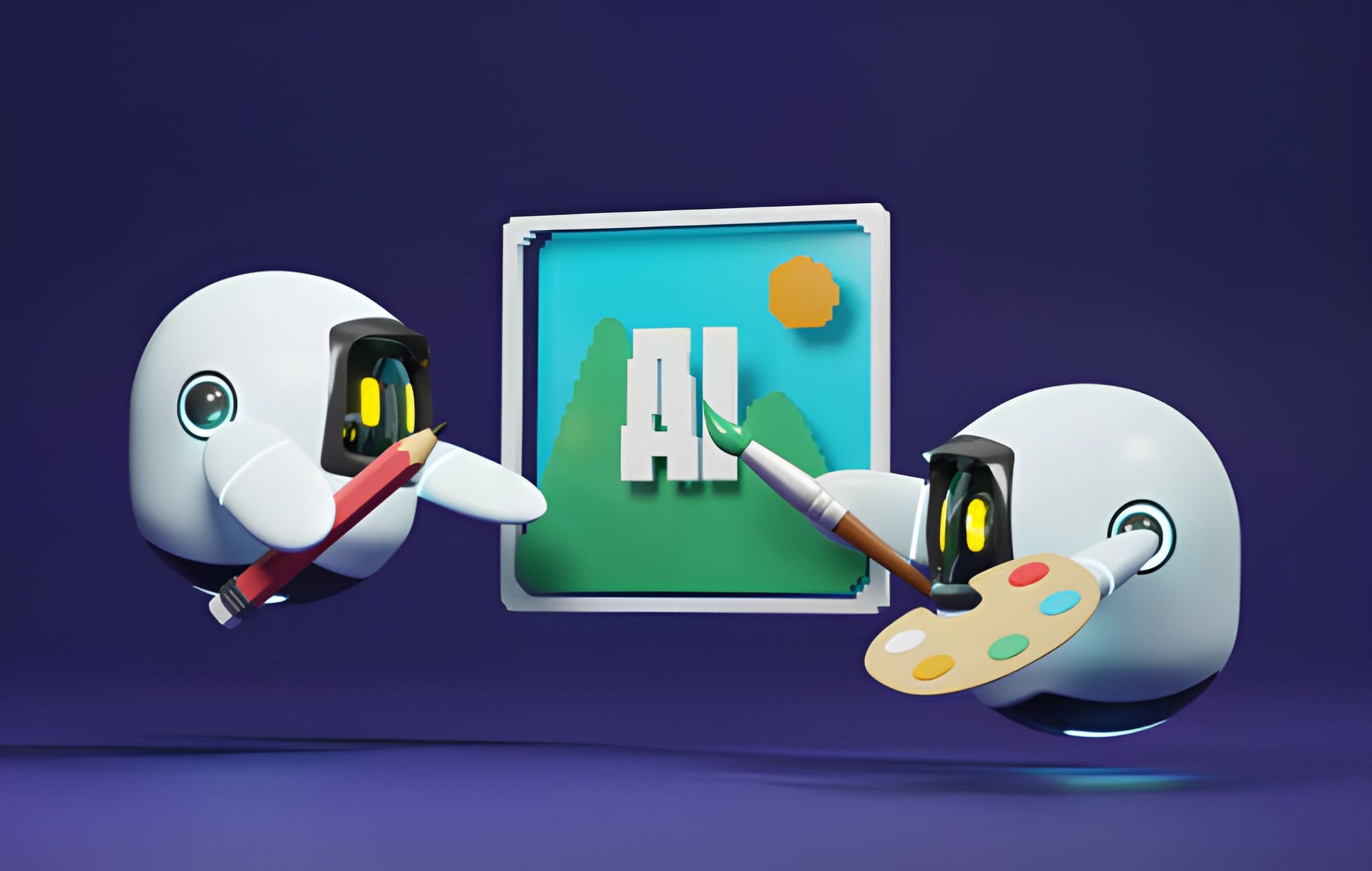
Artificial intelligence has reshaped how people explore visual ideas, turning complex edits into guided, browser-based workflows. One area that often raises questions—especially for beginners—is AI undressed editing. When utilised consistently, these instruments can serve as creative tools, enabling craftsmen to consider form, test visual concepts, and lay the groundwork for advanced planning work.
This document is composed for newcomers who need to understand how AI disrobe instruments work, how to utilise them securely, and where a stage like PixaryAI fits into an aware, inventive workflow. The centre here is on caution, control, and moral use—without specialised language or thrilling surroundings.
AI undress tools are frequently misunderstood. In practice, many creators use them for artistic reference, visual concept development, and body form study rather than finished outputs. Think of them as a preparatory step—similar to sketching or blocking out shapes before adding detail.
Discretion and control matter because images are personal. Beginners should choose tools that allow experimentation without forcing downloads, accounts, or public sharing. A browser-based experience keeps work contained and temporary, reducing friction and increasing comfort.
Used thoughtfully, Undressing AI tools can help creators:
Simplify visuals before styling or compositing
Prepare neutral bases for outfit design or lighting studies.
Explore proportions and posture for illustration or 3D concepts.
The goal is not spectacle; it’s clarity and creative freedom.
With many options available, beginners should prioritise a few essentials.
Realism: Natural edges and coherent results make downstream editing easier.
Speed: Fast processing encourages iteration and learning.
Privacy: Minimal data retention, no forced logins, and clear session-based use.
Browser tools avoid heavy installations and keep experimentation lightweight. You can work from different devices, try ideas quickly, and stop anytime without leaving traces on your system.
A good starting point is PixaryAI, which combines image editing and video generation in one place—ideal for beginners who don’t want to juggle multiple apps.
On PixaryAI, AI Photo Eraser refers to dress removal. You can try it for free to see how it works before committing.
Clear lighting and neutral backgrounds
Front-facing or lightly angled poses
Minimal motion blur
These conditions help the AI better understand shapes and boundaries, resulting in cleaner outputs.
After you upload an image, the AI Photo Eraser analyses the scene and produces a simplified base. There’s no need to adjust sliders or learn masking; the system handles the heavy lifting.
Beginners often appreciate the ability to review results instantly. If you want to keep experimenting, the AI Dress Removal tool supports repeat tries, and Dress Removal Free access lets you learn without pressure.
This stage is best treated as a foundation—something you can export for further styling, illustration, or compositing.
Static images are powerful, but short motion can add context and depth. That’s where undress video tools come in.
Motion doesn’t need to be dramatic. Gentle movement—like a slight shift or loop—can:
Bring concepts to life for presentations
Improve previews in portfolios
Help visualize how light or posture changes over time
If your goal is to communicate an idea rather than finalize a scene, a short clip can be more effective than a still. PixaryAI’s undress video generator converts prepared images into brief motion sequences with minimal setup.
Creators often refer to these outputs as undressing AI video assets—used here as a technical category label. They are especially useful for concept boards, early-stage design reviews, or artistic previews.
Any beginner’s guide should address boundaries. AI tools are powerful, and with that power comes responsibility.
Choose platforms that don’t require public profiles or permanent storage. PixaryAI’s browser-first approach helps keep work private and session-based.
As it were, work with pictures you claim or have consent to alter. Never transfer photographs of minors or non-consenting people. Treat AI yields as drafts or references, not substance for abuse.
Decide upfront what you’re comfortable creating and storing. Many artists keep AI undressed edits strictly offline or temporary, using them only to inform later creative steps.
Respectful use builds trust—in the tools and in your own process.
Once you have a clean base, possibilities open up.
Designers often apply digital clothing concepts to the base image, testing colours, cuts, and textures without reshoots. This is where the Clothes Remover workflow proves practical: it prepares a consistent canvas for experimentation.
Some creators explore how short clips translate across formats, using AI clothes-removal tools to test framing and motion before committing to a final design.
You may see platform labels like sexy undress video used to categorise features; for beginners, it’s best to think of these as technical descriptors rather than goals. Focus on the creative outcome you want.
PixaryAI works well as a one-stop platform. Instead of learning multiple tools, you can move from image prep to video generation without breaking your workflow.
Key advantages for newcomers:
Clear, guided steps
Image and video tools in one place
Free trials for learning and testing
Whether you’re exploring Undressing AI for artistic reference or building short motion previews, PixaryAI reduces complexity while keeping control in your hands.
AI undressed editing doesn’t need to be intimidating. When framed as a creative utility—and used with discretion—it can support learning, experimentation, and visual storytelling.
Begin with clear images, use tools like PixaryAI to build clean bases, and add motion only when it enhances your idea. Keep your work private, moral, and intentional. Over time, you’ll find how AI can actually fit into your inventive process—quietly doing the specialised work while you centre on the craftsmanship.
 Supriyo Khan
 Supriyo Khan
 Supriyo Khan
 Supriyo Khan
Want to add a comment?