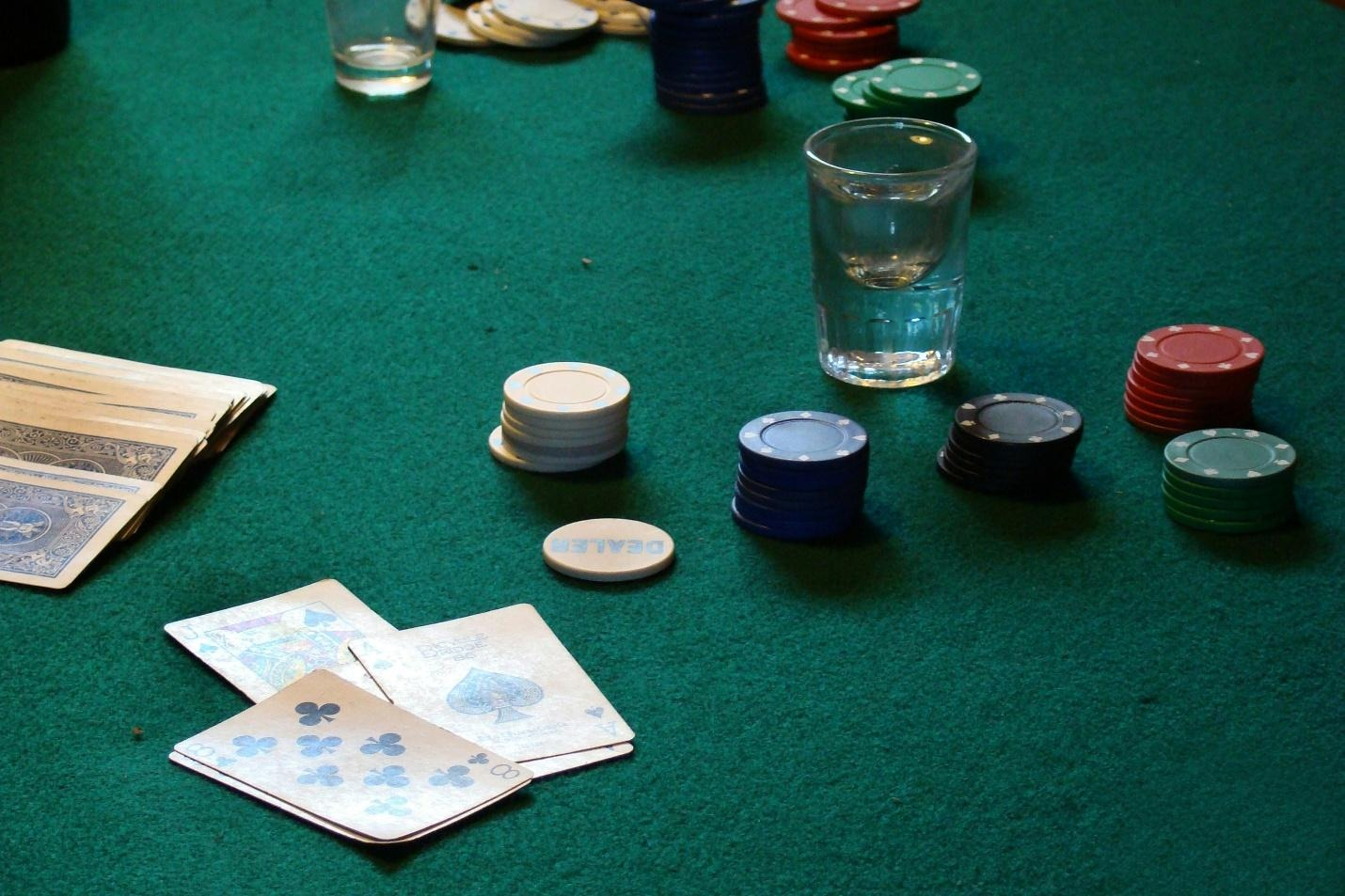
So you're thinking about diving into online poker? I get it -- it's exciting but also pretty intimidating when you're starting out. The good news is that developing a decent strategy doesn't have to be rocket science. You just need to focus on the fundamentals.
I've put together essential tips that'll help you stop throwing money away and actually start playing smart poker. We're talking about everything from knowing which hands are worth playing to keeping your emotions in check when some fish catches a miracle river card. Trust me, these basics will save you a ton of headaches (and cash) down the road.
Most beginners play way too many hands. I see it all the time. Someone gets dealt 9-4 offsuit and thinks "maybe I'll hit two pair!" Don't be that player.
Good hand selection is honestly half the battle in poker. Pocket aces and kings? Play them aggressively. That 7-2 offsuit I mentioned earlier? Fold it without thinking twice. It's really that simple to start with.
When you stick to stronger starting hands, you're not just improving your chances of winning. You're also making the game easier for yourself. Less tough decisions post-flop mean fewer opportunities to mess up. Think of it as training wheels while you're learning the ropes.
This is where I see most new players crash and burn. You absolutely cannot play with the money you need for rent or groceries.
Set up a separate poker bankroll -- money you can afford to lose completely. For cash games, I'd recommend having at least 20 buy-ins for whatever stakes you're playing. So if you're playing $10 buy-in games, you should have $200 set aside just for poker.
Yeah, it sounds conservative. But even good players go through rough stretches. Having a proper bankroll means you can ride out the bad runs without going broke. Plus, you'll play better when you're not stressed about money.
Online poker might not have physical tells, but there's still plenty of information if you know where to look. Pay attention to betting patterns. How quickly does someone bet? Do they always check-call with weak hands?
Take notes on players -- most poker sites let you do this. I've got notes on hundreds of players. Things like "always bluffs the river" or "only raises with premium hands." This stuff adds up over time.
The key is being observant rather than just focusing on your own cards. That tight player who suddenly starts betting aggressively? They probably have something strong. The loose cannon who's been raising every hand? Maybe it's time to trap them with a monster.
Poker will test your patience like nothing else. You'll fold for an hour straight, then lose a big pot when your opponent hits a two-outer on the river. It happens to everyone.
The players who succeed long-term are the ones who don't let emotions drive their decisions. Bad beat? Take a deep breath and move on to the next hand. Don't start playing garbage hands just because you're frustrated.
If you feel yourself getting tilted, take a break. Step away from the computer, grab some coffee, maybe go for a walk. The games will still be there when you get back, but your bankroll might not be if you keep playing angry.
If you're playing in the US, you'll want to understand the legal landscape. Different states have different rules about US online poker, and it's worth knowing what's allowed where you live.
Stick to regulated sites in legal states when possible. Yeah, the player pools might be smaller, but you'll have better protections and know your money is safe. Plus, you won't have to worry about any legal gray areas.
Mastering poker strategy isn't something that happens overnight. These tips will get you started on the right track, but there's always more to learn.
Focus on playing solid, fundamental poker. Don't try to get fancy until you've got the basics down cold. And remember: everyone was a beginner once. Even the pros had to start somewhere.
The most important thing? Keep studying and stay disciplined. Do that, and you'll be surprised how quickly you improve. Good luck at the tables!
 Supriyo Khan
 Supriyo Khan
 Supriyo Khan
 Supriyo Khan
Want to add a comment?