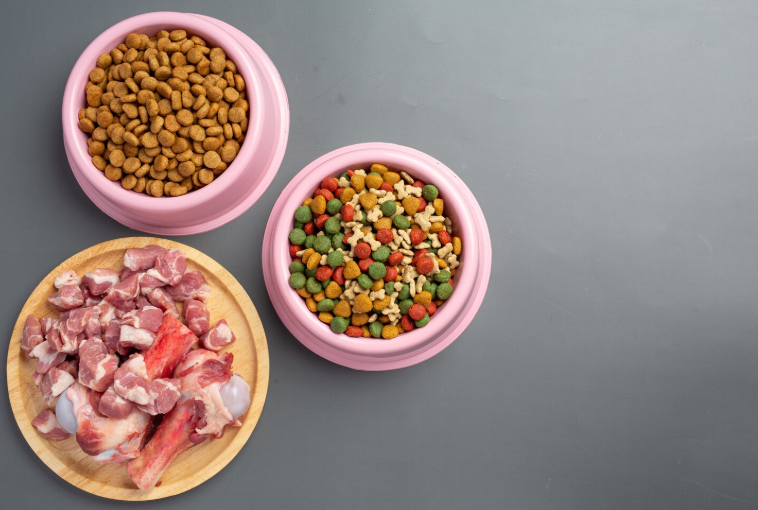
Walk into any pet store today and the dog food aisle looks nothing like it did ten or fifteen years ago. Where there used to be rows of the same dry kibble in different bag sizes, you now find an entire spectrum of options — raw food, dehydrated meals, fresh refrigerated pouches, and increasingly, freeze dried formulas that pet owners are reaching for with growing enthusiasm.
But what exactly is freeze dried dog food? Is it genuinely better for your dog, or is it just clever marketing in premium packaging? And how do you identify good freeze dried dog food in a market that's flooded with options claiming to be the best? These are questions worth answering carefully, because what goes into your dog's bowl every day matters more than most people realize.
Before evaluating whether freeze dried dog food is right for your pet, it helps to understand what the process actually involves. Freeze drying isn't a new technology — it's been used for decades in fields ranging from pharmaceuticals to military rations to space exploration. The basic idea is to remove moisture from a substance while preserving its nutritional integrity and structure.
In the context of dog food, raw ingredients — meats, organs, vegetables, fruits — are frozen and then placed in a vacuum chamber where the temperature is slowly raised. The frozen water inside the ingredients converts directly from ice to vapor without passing through a liquid stage, a process called sublimation. The result is a lightweight, shelf-stable product that retains an impressive percentage of the nutrients that were present in the original raw ingredients.
This is fundamentally different from kibble, which involves high-heat extrusion that can degrade certain vitamins, enzymes, and proteins. It's also different from simple air drying or dehydration, which uses heat and can similarly reduce nutritional value. Freeze drying is considered one of the gentlest methods of food preservation available.
The growing interest in good freeze dried dog food reflects a broader shift in how people think about pet nutrition. Dog owners are increasingly reading ingredient labels, questioning filler ingredients, and connecting the dots between what their dogs eat and how their dogs feel, look, and behave.
Several compelling reasons are driving this shift:
Nutritional density: Because the freeze drying process preserves so much of the original nutritional content, dogs often get more usable nutrition per bite compared to heavily processed alternatives. This matters especially for older dogs, dogs with specific health concerns, or working dogs with higher energy demands.
Digestibility: Many dog owners report that their pets do significantly better on minimally processed dog food. Fewer digestive upsets, firmer stools, less gas, and better overall gut health are commonly observed benefits. Highly processed dog food can be harder on the digestive system, particularly for dogs with sensitive stomachs.
Palatability: Dogs tend to love it. The natural flavors and aromas that are preserved through freeze drying make these foods incredibly appealing to most dogs, including picky eaters who turn their noses up at conventional kibble.
Convenience of raw without the risk: Raw feeding has a devoted following, but it also comes with legitimate concerns around bacteria like salmonella and the challenge of ensuring complete nutritional balance. Freeze dried formulas offer much of the nutritional profile of raw feeding with significantly reduced microbial risk and far greater convenience.
Not all freeze dried options are created equal, and this is where careful attention pays off. Identifying genuinely good freeze dried dog food means looking beyond the attractive packaging and asking some specific questions about what's actually inside.
Quality protein sources: The first ingredient should always be a named, recognizable protein — chicken, beef, salmon, turkey, or lamb, for example. Vague terms like "meat meal" or "animal byproduct" are red flags. The quality and sourcing of the protein matters enormously for both nutrition and digestibility.
Complete and balanced formulation: Look for a statement on the packaging that the food meets established nutritional standards for dogs. This indicates the formula has been developed to provide all the essential nutrients your dog needs across their life stage — puppy, adult, or senior.
Minimal and recognizable ingredients: A good freeze dried dog food doesn't need a long list of additives, artificial preservatives, or synthetic flavoring agents. The shorter and more recognizable the ingredient list, the better. Real fruits and vegetables as supplemental ingredients are a positive sign.
Appropriate organ content: Quality freeze dried formulas often include organ meats like liver, kidney, or heart alongside muscle meat. This mirrors what a dog would naturally consume and provides important micronutrients that muscle meat alone doesn't deliver.
No unnecessary fillers: Corn, wheat, soy, and artificial colors don't serve any meaningful nutritional purpose for dogs. Their presence in a freeze dried product is particularly puzzling — given that the whole point of the format is to deliver more natural, nutritious food.
Freeze dried dog food is versatile. Some owners use it as a complete meal, rehydrating it with water before serving for a texture closer to fresh food. Others use it as a topper over kibble to boost nutritional value and palatability. It's also widely used in smaller quantities as training rewards, particularly when working with dogs that are highly food motivated — the concentrated flavor tends to make it irresistible.
If you're transitioning your dog from conventional dog food to a freeze dried formula, take it gradually over one to two weeks. Sudden changes in diet can cause temporary digestive upset regardless of how good the new food is. Mix increasing amounts of the new formula with decreasing amounts of the old one, giving your dog's gut microbiome time to adjust.
Good freeze dried dog food tends to cost more per pound than conventional kibble. This is simply the reality of the manufacturing process and the quality of ingredients typically involved. However, it's worth considering the fuller picture. Dogs eating more nutritionally complete food often eat less volume overall because they're genuinely nourished rather than just full. And reduced vet bills from better overall health — healthier coats, fewer digestive issues, stronger immune function — can offset the upfront food cost over time.
The conversation around dog food has evolved dramatically, and for good reason. Dogs are living longer than ever before, and the quality of those extra years matters. What we feed our animals every single day has a direct and meaningful impact on their energy, comfort, and long-term wellbeing.
Freeze dried dog food represents one of the most exciting developments in pet nutrition precisely because it bridges the gap between the nutritional ideals of raw feeding and the practical realities of everyday life. When you take the time to find genuinely good freeze dried dog food — made from quality ingredients, formulated thoughtfully, and free from unnecessary additives — you're making a choice that your dog will likely feel in every walk, every meal, and every happy year ahead.
 Supriyo Khan
 Supriyo Khan
 Supriyo Khan
 Supriyo Khan

Want to add a comment?