Getting hurt in an accident is stressful enough.
Documenting what happened to you? That is where most folks fail. The reality is that every personal injury lawyer will tell you this. It generally comes down to one thing... documentation.
He who has the most proof usually wins. If you have the best case. But no proof... you got nothing. Insurance companies will try to find any excuse to cheat you. Jurors want to see evidence. When you have a proven documentation plan you can:
Lock in the facts before memory fades
Show the true impact of your injuries
Boost the value of your final settlement
Here's how to do it...
Why Documentation Makes Or Breaks Your Claim
The 6x Types Of Evidence You Need
Common Mistakes That Hurt Your Case
When To Call A Personal Injury Attorney
Here's the thing most accident victims don't realise...
Insurance adjusters don't care about your story. They care about what you can prove. That's why, in a personal injury case, the difference between a fair settlement and a denial is almost always paper trail.
So can a personal Injury lawyer help you build that paper trail? Yes - a competent personal injury attorney will know what evidence matters to insurance companies and courts. However, the work begins when you get hurt, well before you step foot in a lawyer's office.
Statistics prove it. Industry studies recently revealed that the average personal injury settlement is $55,000 - yet poorly documented cases frequently settle for a fraction of that.
So how do you build a rock-solid case?
Let's break it down...
This step is non-negotiable.
See a doctor within 24 hours of the accident, even if you feel "fine". Adrenaline can mask pain. Whiplash, concussion and internal bleeding may not appear for days.
Why does this matter so much?
Delay harms your case. Insurance companies will hold any delay between your accident and your first doctor's visit against you. They'll claim your injuries weren't that serious - or were not caused by the accident.
Make sure to:
Visit a doctor the same day if possible
Follow every treatment plan exactly
Attend every follow-up appointment
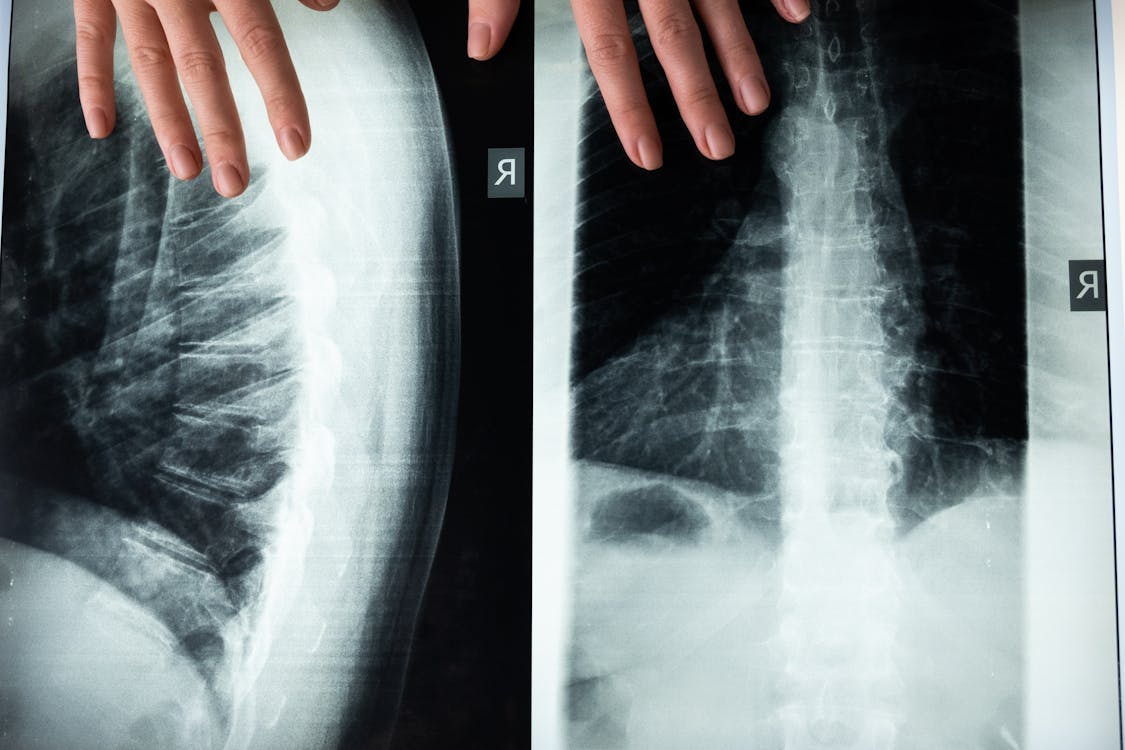
Get copies of all medical records and bills
Then keep everything together. Bills, scans, prescriptions, discharge documents. You name it. The CDC says there are tens of millions of injury-related emergency room visits annually. Good records are what set your claim apart from the stack.
Pictures don't lie.
Your cell phone is your best evidence-gathering device. Take it before anything is cleaned up, fixed, or healed.
Capture:
The accident scene from multiple angles
Vehicle damage (if there is any)
Property hazards that caused the injury
Visible injuries - bruises, cuts, swelling
Skid marks, broken handrails, wet floors
Here's the tip most people miss...
Continue to take photos of your injuries every few days for several weeks. Bruises fade. Swelling moves. Stitches are removed. Showing that progression through photographs can tell a much more vivid story than one picture taken on day one.
This is one of the most underrated steps.
Your daily journal does what medical records cannot. They document the injury. Your journal documents its impact on your life.
Each day, write down:
Pain levels (a 1-10 scale works great)
Sleep problems
Activities you couldn't do
Missed work, events or social plans
Emotional impact like anxiety or frustration
Simple notebook or note app on your phone. Doesn't matter. Just be consistent with it. You will look back months later and this journal will be strong proof when computing pain and suffering damages.
People forget. Phone numbers change. Witnesses move.
If someone witnessed what happened, get their name, phone number and email address before you leave the scene. Take a minute to record their verbal account into your phone.
And here's something most people don't think about...
Personal injury cases take time. In fact, statistics indicate the average claim will take 11.4 months to settle. Depositions come well after memories have begun to fade. Preserve your witness testimony early to protect your case while memories are fresh.
Injuries cost money. A lot of it.
Medical bills are only one example of the many expenses that mount up. In fact, every single expense listed below can be included in your claim. Keep:
Medical bills and receipts
Prescription costs
Physical therapy invoices
Mileage to and from appointments
Lost wages and pay stubs
Out-of-pocket equipment like crutches or braces
Make a folder, anywhere... digital or real life, stuff it. Organize it later. The more receipts you keep, the more money you can get back.
This trips up so many people...
Insurance companies stalk you on social media. Don't kid yourself. One picture of you smiling at your friend's birthday party could be used to prove you aren't that injured.
Until the case is settled:
Don't post about the accident
Don't post photos doing physical activities
Set all accounts to private
Tell friends and family not to tag you in anything
Don't accept new friend requests from strangers
May sound crazy talk. But defense attorneys love using this type of "evidence" to cut settlements in half.
Documentation is powerful - but it's not a substitute for experienced legal help.
A competent personal injury lawyer will know how to package up the evidence to create a persuasive claim. They can deal with all the forms, insurers, and argue what your claim is really worth. Approximately 70% of individuals who submit a personal injury claim receive some form of payout. However, those who are represented by a lawyer generally settle for significantly more.
Call a personal injury attorney as soon as:
Injuries are serious or long-lasting
Fault is being disputed
The insurance company is dragging its feet
A settlement offer feels too low
The accident involved multiple parties
The sooner the lawyer is involved, the sooner you can develop an effective document strategy from day 1.
Documentation is your first line of defense against lowball settlements and claim denials. The evidence you gather beginning on day one will only make your case stronger.
Quick recap:
Get medical care immediately and keep all records
Photograph injuries, scenes, and the recovery progress
Maintain a daily injury journal
Lock in witness contact info fast
Save every financial document
Stay off social media until settlement
Bring in a personal injury attorney when needed
Be as meticulous with your treatment documentation as you would with the foundation for your claim... because it is. Insurers and defence attorneys find holes anywhere they can. The better job you do detailing up front, the less opportunity they have to mount a defence.
Put some time in upfront and you could end up with thousands of additional dollars in your settlement. Thank your future self.
 Supriyo Khan
 Supriyo Khan
 Supriyo Khan
 Supriyo Khan

Want to add a comment?