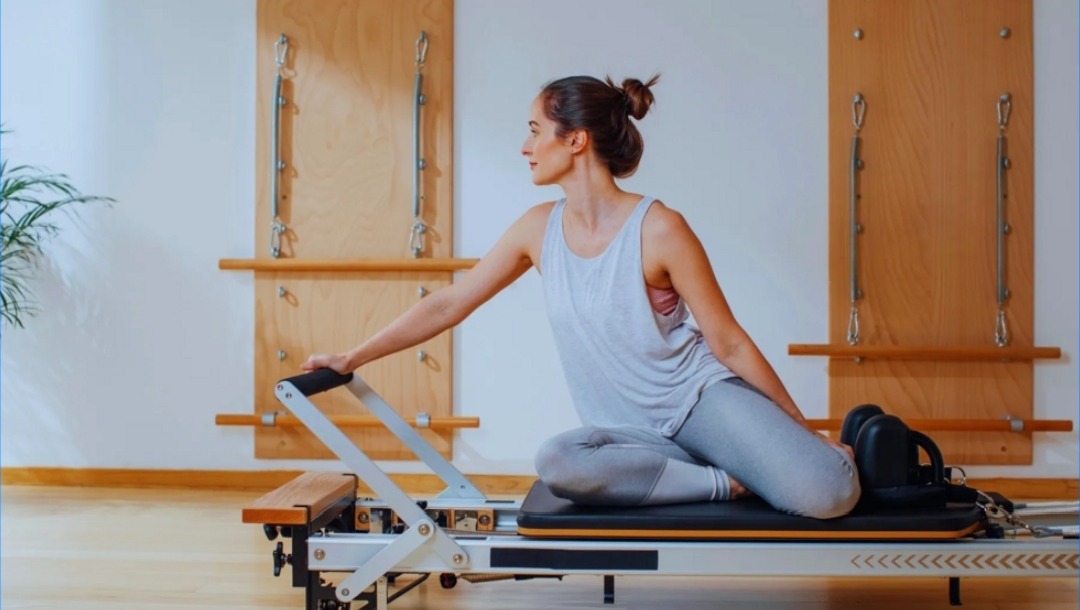
This is why many instructors are increasingly influenced by the great Australian pilates social Polestar Pilates approach to professional branding and online engagement. Rather than focusing only on promotional content or short-term trends, many Pilates educators are now prioritising education, authenticity, consistency, and meaningful client connection through their social media platforms.
The Pilates industry is highly visual and strongly connected to movement education, which makes social media a natural platform for instructors and studios to showcase their expertise. Potential clients often explore Instagram, Facebook, and other online platforms before committing to classes or training programs. For many people, social media creates their first impression of a studio or instructor. The quality of the content, communication style, and professionalism shown online can heavily influence whether someone decides to join a class or continue researching other options.
Social media also allows instructors to communicate their teaching philosophy and movement approach more effectively. Instead of relying solely on advertising, instructors can demonstrate how they teach, what they value, and how they support clients through educational and engaging content. As competition within the fitness and wellness space continues to increase, a thoughtful and professional online presence has become one of the key ways instructors differentiate themselves from others in the industry.
One of the main reasons many instructors follow this approach is the growing demand for educational and informative content. Audiences are increasingly looking for instructors who provide real value and movement knowledge rather than simply promoting services or posting generic fitness content. Educational posts help clients understand movement quality, posture, breathing, flexibility, and body awareness in a more meaningful way. This type of content positions instructors as knowledgeable professionals who genuinely care about helping people move better and feel stronger.
When instructors explain exercises clearly and share movement insights consistently, they build stronger trust with both existing and potential clients. Audiences are more likely to engage with professionals who demonstrate expertise and communicate in a way that feels supportive and approachable. This educational focus also reflects the broader philosophy of Pilates itself, which is based on mindful movement, control, and long-term physical wellbeing rather than quick fitness trends.
Modern social media users are increasingly drawn to authenticity rather than overly polished or sales-driven marketing. People want to connect with instructors who feel genuine, relatable, and professional at the same time. Many successful Pilates educators now focus on creating content that feels natural and educational instead of heavily scripted or promotional. Sharing real teaching moments, movement tips, and practical advice often creates stronger audience engagement than constantly pushing sales messages.
Authenticity helps instructors build more personal connections with their audience. Followers are more likely to trust and engage with instructors who communicate honestly and show genuine passion for movement education. This approach also helps reduce the pressure many instructors feel to constantly produce highly commercialised content. Instead, the focus shifts towards creating meaningful conversations and long-term relationships with clients and followers.
One of the most important parts of building a strong social media presence is consistency. Successful Pilates instructors generally maintain a steady flow of high-quality content that reflects their teaching style, values, and professional identity. Consistent posting helps audiences become familiar with the instructor and studio over time. It creates stronger recognition and makes the brand feel more established and trustworthy.
Consistency also applies to visual presentation and communication style. Pilates studios and instructors often benefit from maintaining a clean, calm, and professional visual identity that reflects the movement-focused nature of the industry. Over time, regular educational content helps strengthen audience loyalty and improves long-term visibility online without relying entirely on paid advertising.
Many Pilates instructors are now focusing less on follower numbers and more on building meaningful communities around their teaching. Social media is no longer just a broadcasting tool. It has become a way to create conversation, support, and engagement between instructors and clients. When instructors respond to comments, answer questions, and share supportive content, audiences feel more connected and involved. This sense of community often leads to stronger client relationships and higher long-term retention within studios.
Pilates naturally encourages connection, mindfulness, and personal growth, so community-focused social media aligns well with the values many instructors want to promote. Clients who feel supported online are also more likely to remain engaged with classes and recommend the studio or instructor to others.
High-quality Pilates content is often backed by strong professional education and movement knowledge. Instructors who understand anatomy, biomechanics, posture, and rehabilitation principles are generally able to create more valuable and informative content for their audiences. Professional training gives instructors the confidence to explain movement concepts clearly and accurately. This helps distinguish professional Pilates educators from generic online fitness accounts that may lack proper movement understanding.
Many instructors are also recognising that social media can be an extension of their teaching practice. Instead of using online platforms purely for marketing, they are using them to educate and support people beyond the studio environment. This shift towards educational leadership is one reason professionally trained instructors often build stronger credibility online over time.
Social media also allows Pilates instructors to continue supporting clients outside of scheduled classes. Educational videos, posture tips, movement demonstrations, and wellness advice help clients stay engaged between sessions. This ongoing interaction strengthens the overall client experience and encourages more consistent participation in Pilates practice. Clients who understand the purpose behind exercises often become more motivated and committed to long-term improvement.
Providing ongoing support through social media also reinforces the instructor’s expertise and helps maintain stronger relationships with clients over time. For many studios, online engagement has become an important part of creating a more complete and supportive client experience.
In today’s digital environment, instructors are building personal brands as much as studio brands. Clients often connect strongly with individual instructors whose communication style, teaching approach, and personality resonate with them personally. Social media allows instructors to showcase not only technical expertise but also their values, movement philosophy, and overall approach to health and wellbeing.
A strong personal brand helps instructors stand out within a competitive industry while creating stronger audience trust and loyalty. This is one reason many Pilates professionals are investing more time into thoughtful and professional online communication rather than relying solely on traditional advertising methods.
More instructors are following the great Australian pilates social Polestar Pilates approach because it focuses on authenticity, education, professionalism, and meaningful client connection rather than purely promotional content. As social media becomes increasingly important within the wellness industry, instructors are recognising the value of creating content that genuinely supports and educates their audience.
By prioritising consistency, movement knowledge, and community engagement, Pilates professionals can build stronger long-term relationships with clients while strengthening their reputation within the industry. Thoughtful social media strategies are now an essential part of helping Pilates instructors grow both their influence and their business in a more sustainable and professional way.
 Supriyo Khan
 Supriyo Khan
 Supriyo Khan
 Supriyo Khan

Want to add a comment?