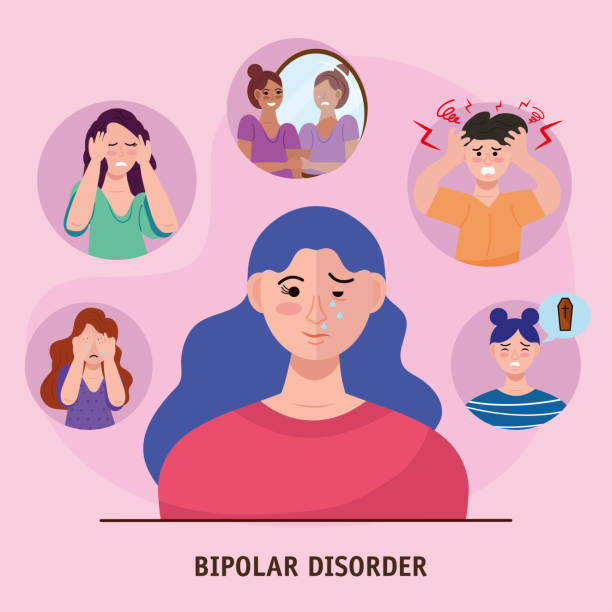
Bipolar disorder is a serious mental health condition that affects how a person thinks, feels, and behaves. It is marked by intense mood swings that go far beyond typical emotional ups and downs. Individuals may experience periods of elevated mood and energy, known as mania or hypomania, followed by episodes of deep depression.
These shifts can disrupt relationships, work, and daily functioning. However, with proper understanding and treatment, bipolar disorder can be effectively managed. This article provides a comprehensive look at the condition, including its symptoms, causes, and proven treatment options.
What Is Bipolar Disorder?
Bipolar disorder is a mood disorder characterized by significant changes in energy, activity levels, and emotional states. Unlike normal mood fluctuations, these changes are more intense and can last for extended periods.
There are different types of bipolar disorder, each defined by the pattern and severity of mood episodes. Bipolar I disorder involves severe manic episodes that may require hospitalization. Bipolar II disorder includes hypomania, which is less intense but still disruptive, along with major depressive episodes. Cyclothymic disorder involves ongoing mood instability that is less severe but more persistent over time.
Symptoms of Bipolar Disorder
The symptoms of bipolar disorder vary depending on whether a person is experiencing a manic or depressive episode. Recognizing these symptoms early can make a significant difference in seeking timely treatment.
During manic or hypomanic episodes, individuals often feel unusually energized, restless, or overly confident. They may need less sleep, speak rapidly, and have racing thoughts. In some cases, this can lead to impulsive decisions or risky behavior that can negatively impact their lives.
On the other hand, depressive episodes are marked by persistent sadness, low energy, and a loss of interest in activities that were once enjoyable. People may struggle with concentration, experience changes in appetite or sleep, and feel a sense of hopelessness.
Some individuals also experience mixed episodes, where symptoms of both mania and depression occur at the same time. These can be particularly challenging and may increase emotional distress.
What Causes Bipolar Disorder?
The exact cause of bipolar disorder is not fully understood, but experts agree that it results from a combination of factors.
Genetics play a significant role, as individuals with a family history of bipolar disorder are more likely to develop the condition. Brain chemistry also contributes, particularly imbalances in neurotransmitters that regulate mood. In addition, environmental influences such as trauma, chronic stress, or major life changes can trigger or worsen symptoms.
Rather than a single cause, bipolar disorder typically develops due to the interaction of these biological and environmental factors.
How Bipolar Disorder Is Diagnosed
Diagnosing bipolar disorder requires a thorough evaluation by a qualified mental health professional. This process usually includes discussing the individual’s medical history, mood patterns, and behavioral changes over time.
Accurate diagnosis is crucial because bipolar disorder is often mistaken for depression. Treating it as depression alone can lead to ineffective or even harmful outcomes. A correct diagnosis allows for a targeted treatment plan that addresses the full scope of the condition.
Effective Treatment Options for Bipolar Disorder
Although bipolar disorder is a lifelong condition, it can be managed successfully with the right combination of treatments. Most individuals benefit from a personalized approach that includes medication, therapy, and lifestyle adjustments.
Medication Management
Medication is often the foundation of treatment. Mood stabilizers are commonly prescribed to control extreme mood swings, while antipsychotic medications may help manage severe symptoms. In some cases, antidepressants are used cautiously to address depressive episodes.
A healthcare provider will monitor progress and adjust medications as needed to ensure effectiveness and minimize side effects.
Psychotherapy
Therapy plays an essential role in helping individuals understand their condition and develop coping strategies. Cognitive Behavioral Therapy (CBT) is widely used to identify negative thought patterns and replace them with healthier ones.
Psychoeducation is another important component, as it helps individuals and their families recognize early warning signs and respond proactively. Family therapy can also improve communication and strengthen support systems at home.
Lifestyle and Self-Management
Daily habits can have a powerful impact on managing bipolar disorder. Maintaining a consistent routine, especially when it comes to sleep, helps regulate mood and energy levels. Regular physical activity and a balanced diet can also support overall mental health.
Stress management is equally important. Techniques such as mindfulness, meditation, and relaxation exercises can reduce the likelihood of mood episodes. Avoiding alcohol and drugs is critical, as substance use can worsen symptoms and interfere with treatment.
Living with Bipolar Disorder
Living with bipolar disorder requires ongoing effort, but many individuals lead stable and fulfilling lives. Building a reliable support system is key. This may include family members, friends, therapists, and support groups who understand the challenges of the condition.
Monitoring mood changes over time can also be helpful. By tracking patterns, individuals can identify triggers and take early action to prevent episodes. Staying consistent with treatment, even during stable periods, is essential for long-term success.
When to Seek Help
Recognizing when to seek professional help is an important step in managing bipolar disorder. If mood swings become severe, interfere with daily life, or include risky behavior or feelings of hopelessness, it is important to consult a mental health professional.
Early intervention can lead to better outcomes and reduce the impact of future episodes. Seeking help is not a sign of weakness—it is a proactive step toward stability and well-being.
Conclusion
Bipolar disorder is a complex condition that affects many aspects of a person’s life. However, it is also highly manageable with the right treatment and support. Understanding the symptoms, causes, and available treatment options empowers individuals to take control of their mental health.
With consistent care, a strong support system, and healthy lifestyle choices, people living with bipolar disorder can achieve stability and lead meaningful, productive lives.
FAQs
1. What are the early signs of bipolar disorder?
Early signs often include noticeable mood swings, changes in sleep patterns, and shifts in energy levels or behavior.
2. Can bipolar disorder be managed without medication?
While therapy and lifestyle changes help, most individuals require medication for effective symptom control.
3. How long do bipolar episodes last?
Episodes can last for days, weeks, or longer, depending on the individual and treatment.
4. Is bipolar disorder hereditary?
Genetics can increase the risk, but environmental factors also contribute to its development.
5. Can people with bipolar disorder live normal lives?
Yes, with proper treatment and support, many individuals maintain stable and fulfilling lives.
About the Author
Doctor of Psychology Ali Nikbakht is a Licensed Marriage and Family Therapist (LMFT). His studies and practice specialize in addiction studies and co-occurring mental health disorders. He earned his bachelor’s degree from UCLA, graduated from Trinity Law School, and earned his doctorate in Psychology in Marriage and Family Therapy from the California School of Professional Psychology. He is finishing his doctorate in Business Administration, specializing in Health Care.
 Supriyo Khan
 Supriyo Khan
 Supriyo Khan
 Supriyo Khan

Want to add a comment?