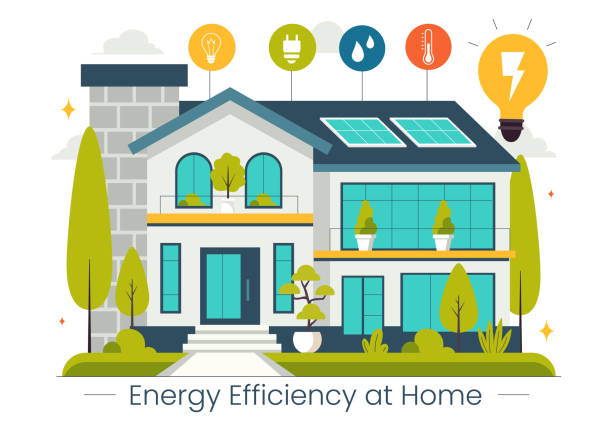
Windows play a bigger role in your home than most people realize says Sarasota Property Management Company. They don’t just bring in daylight and fresh air—they affect how warm your rooms feel, how much outside noise you hear, and how hard your heating system has to work during colder months.
In this guide, we’ll cover why windows matter, signs it may be time to replace them, what to look for when choosing new windows, and a simple checklist to help you plan your upgrade.
Even in well-insulated homes, windows can be a weak point. Older windows may allow heat to escape through the glass or let cold air leak in around the frame. That can lead to:
drafts and cold zones near windows
uneven indoor temperatures
higher heating demand during winter
more outside noise entering the home
condensation and moisture issues
Windows also influence how a room looks and feels. More natural light can make spaces feel larger and more welcoming, while better insulation can make a home feel calmer and more stable in temperature.
Not every home needs new windows immediately, but there are clear signs that your current windows may be underperforming.
Here are common indicators:
you feel drafts near the frame even when windows are closed
condensation forms between the panes (often a seal failure)
the room feels colder near the window area
windows are difficult to open, close, or lock
you notice moisture damage, warping, or visible wear
outdoor noise comes through more easily than expected
heating costs have increased without another explanation
If several of these issues are happening at once, replacing windows may be more effective than trying to repair older units repeatedly.
New windows are designed to perform better in everyday conditions, especially in colder climates.
Modern glazing and improved frame construction help reduce heat transfer. This often means:
warmer indoor surfaces near the glass
fewer cold spots and less “chill” near windows
improved overall temperature stability
Newer windows usually have better seals and tighter closing systems. When installed correctly, they can reduce unwanted airflow and make rooms feel more comfortable.
If you live near traffic, neighbours, or a busy area, upgrading windows can help reduce noise. The level of soundproofing depends on glazing choices and installation quality, but many homeowners notice a quieter home after upgrading.
When comparing window options, it helps to focus on features that affect comfort, durability, and long-term value.
Many modern windows are available with double or triple glazing. In general:
double glazing is common and effective in many homes
triple glazing can offer improved insulation in colder conditions
The right choice depends on your climate, home type, and comfort goals.
U-value is one way to measure insulation performance. Lower is generally better. If energy efficiency is a priority, comparing U-values can help you choose a more insulating window system.
Common frame options include:
Wood: classic look, good insulation, requires maintenance
Wood-aluminium: durable exterior protection with a warmer interior finish
PVC: low maintenance and practical for many homes
Each material has pros and cons, so it’s worth thinking about appearance, upkeep, and long-term durability.
New windows are often more airtight than old ones. That’s good for efficiency, but ventilation still matters—especially in kitchens, bathrooms, and bedrooms.
Consider:
whether your home has mechanical ventilation
if trickle vents or ventilation features are needed
how moisture is managed in high-humidity areas
A comfortable home needs both good sealing and healthy airflow.
Windows are part of your home’s security system. Look for:
reliable locking mechanisms
durable hardware
strong frame construction
good closing pressure and fit
These features can be especially important for ground-floor windows.
Window upgrades usually go smoothly when planning is done carefully. Most issues happen due to missed details.
Here are common mistakes to avoid:
choosing windows based on price alone
measuring incorrectly (especially in renovation projects)
ignoring installation quality and sealing
forgetting ventilation needs in airtight homes
selecting the wrong opening style for the room
overlooking warranties, lead times, and delivery planning
A good window is only as good as the installation, so it’s worth taking the process seriously.
If you’re planning a window upgrade, this checklist can help you stay organised and avoid surprises.
Identify which rooms need upgrades most (comfort, noise, drafts)
Choose glazing options that match your needs
Compare thermal performance specifications (U-value)
Decide on frame material based on maintenance preferences
Review security and locking features
Consider ventilation requirements
Double-check all measurements before ordering
Decide whether installation will be professional or DIY
Plan for proper sealing and insulation around frames
Schedule the work around weather and access
Review warranty length and coverage
Confirm delivery timelines and lead times
Plan storage if windows arrive before installation
If you want to explore different window styles and configurations online as part of your research, you can start by browsing sparevinduer vindu to get a clearer idea of available options and formats.
Replacing windows is one of the most practical upgrades you can make in a home. It can improve comfort, reduce drafts, lower heating demand, and make indoor spaces feel quieter and more stable year-round.
To get the best results, focus on:
insulation performance and glazing quality
durable frame materials
correct measurements and professional installation
ventilation planning and long-term maintenance
With the right approach, new windows can be a long-term improvement you feel every day—especially when the weather outside is at its worst.
 Supriyo Khan
 Supriyo Khan
 Supriyo Khan
 Supriyo Khan

Want to add a comment?