A smile is one of the first things people notice. It helps people connect, show joy, and feel confident in daily life. But when a tooth is lost, that confidence can change. Many people feel embarrassed about gaps in their smile.
Others struggle with eating certain foods or speaking clearly. Tooth loss is more common than many people think. It can happen because of injury, decay, gum disease, or age. No matter the cause, losing a tooth can affect both health and self-confidence.
The good news is that modern dentistry offers solutions that look and feel natural. Dental implants are one of the most trusted ways to replace missing teeth today. They provide strength, stability, and long-term comfort. Many patients choose implants because they help restore both appearance and function.
If you are curious about dental implants, this guide will help you understand them better. Keep reading to learn how implants work, why people choose them, and what to expect during treatment. Understanding the process can help you decide if dental implants are the right choice for your smile.
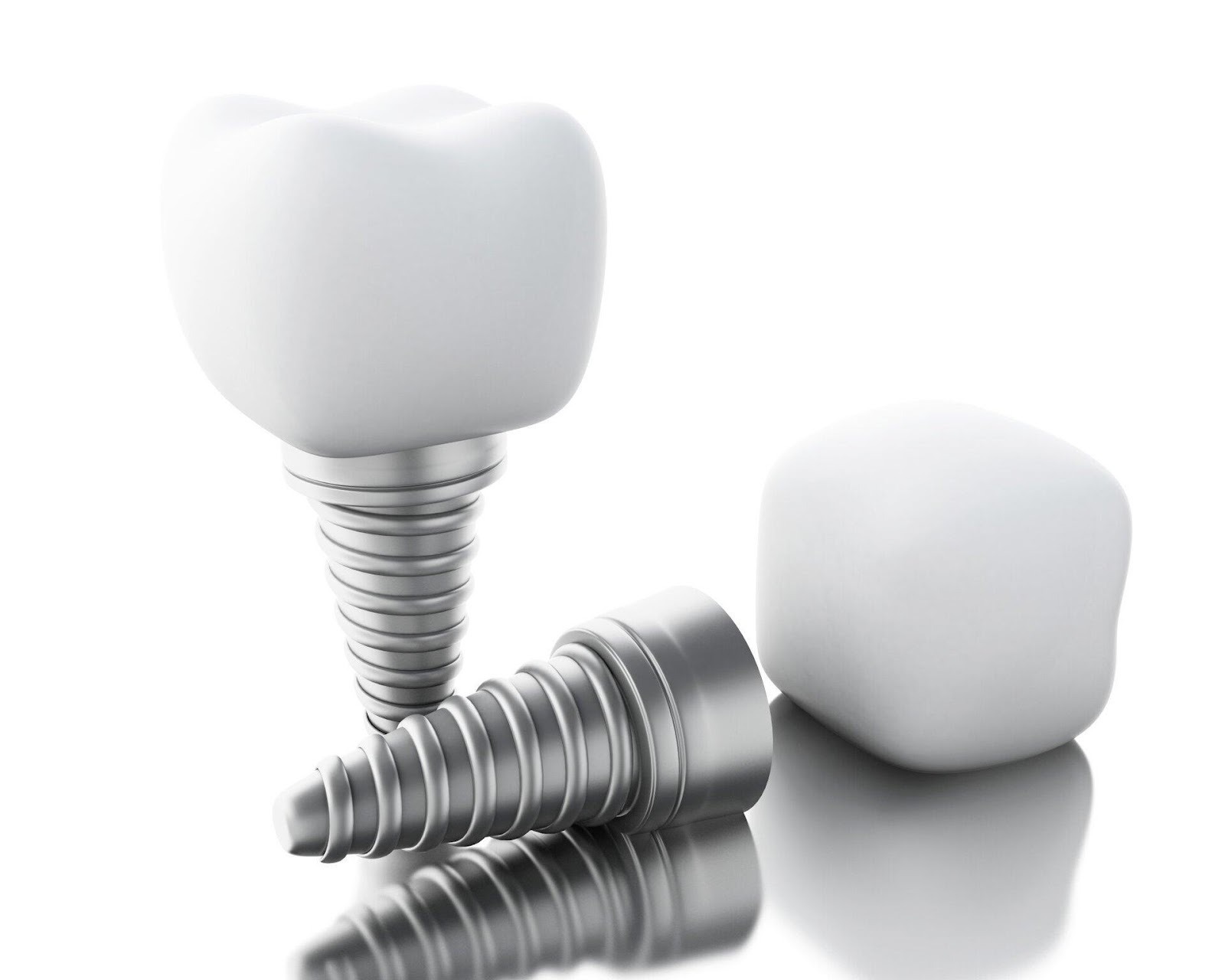
Dental implants are artificial tooth roots that support replacement teeth. They are usually made from titanium, a strong metal that works safely with the body. The implant is placed in the jawbone where the missing tooth used to be. Over time, the bone grows around the implant.
This natural process helps hold the implant firmly in place. Because of this connection, implants feel stable and secure, much like natural teeth. Once the implant has healed, a small connector piece called an abutment is attached to the top. The dentist then places a crown on the abutment.
The crown is the visible part of the tooth and is designed to match the color and shape of the surrounding teeth. Dental implants are unique because they replace both the root and the crown of a tooth. Other tooth replacement options may only replace the visible portion. By supporting the jawbone, implants help maintain the structure of the face and mouth.
Patients often say implants feel very natural. They can chew, speak, and smile without worrying about their replacement tooth moving or slipping.
There are many reasons people choose dental implants. One of the biggest reasons is durability. Implants are designed to last for many years when cared for properly. Another major advantage is stability.
Unlike removable dentures, implants stay firmly in place. Patients do not need adhesives or special cleaning solutions. Dental implants also help protect the jawbone. When a tooth is missing, the bone in that area can shrink over time.
This happens because the bone no longer receives pressure from chewing. An implant restores that pressure and helps keep the bone healthy. Appearance is another important factor. Dental implants are made to look like natural teeth.
The crown is carefully shaped and colored so it blends with the rest of the smile. Many patients also appreciate the comfort implants provide. Because they are anchored in the jawbone, they feel more natural than other replacement options. For people who want a reliable and long-lasting solution, dental implants often provide the best balance of function and beauty.
Most adults with good oral health can be candidates for dental implants. Healthy gums and sufficient bone in the jaw are important factors. Before recommending implants, the dentist will perform a full examination. This may include dental X-rays or digital scans to study the bone structure.
Some patients may have bone loss in the jaw. This can happen after a tooth has been missing for a long time. In these cases, a bone graft may be needed before the implant can be placed. Gum health is also important. If gum disease is present, it must be treated before implant surgery.
Lifestyle habits can also affect candidacy. Smoking can slow healing and increase the risk of complications. Patients may be advised to stop smoking during treatment.
Age is not usually a barrier. Older adults often receive implants successfully. As long as the patient's overall health is good, implants can be a strong option.
Each patient's situation is different. A dentist will review medical history and oral health before creating a personalized treatment plan.
The dental implant process usually happens in stages. This approach allows the implant to heal properly and become stable.
The first step is a consultation. During this visit, the dentist examines the mouth and discusses treatment options. Imaging tools help the dentist plan the best position for the implant.
Next comes the surgical placement of the implant. The dentist places the small titanium post into the jawbone. Local anesthesia is used to keep the patient comfortable during the procedure.
After placement, the healing process begins. The bone gradually bonds with the implant in a process called osseointegration. This stage may take several months.
Once the implant is stable, the dentist attaches the abutment. This small connector holds the final crown in place.
The final step is placing the crown. The crown is custom made to match the size, shape, and color of the natural teeth. When the crown is attached, the new tooth is ready for daily use.
Patients often find the process easier than they expected. The result is a replacement tooth that feels secure and natural.
Dentists use different types of implant solutions depending on the patient's needs.
A single implant replaces one missing tooth. It includes one implant post and one crown. This option is common when the surrounding teeth are healthy.
If several teeth are missing in a row, an implant-supported bridge may be used. Instead of placing an implant for every missing tooth, a few implants support multiple replacement teeth.
This approach provides strength while reducing the number of implants needed.
Patients missing many teeth may benefit from implant-supported dentures. These dentures attach securely to implants placed in the jaw.
They offer more stability than traditional dentures and allow patients to chew food more comfortably.
Each option is designed to restore function and improve the patient's quality of life.
Dental implants offer several benefits that make them a popular treatment choice. First, they provide excellent stability. Because the implant connects to the bone, it stays firmly in place during chewing and speaking.
Second, implants look very natural. The crown is designed to match the surrounding teeth, making it difficult for others to notice the replacement. Another benefit is long-term durability. With proper care, implants can last for many years. Some patients keep their implants for decades.
Implants also support the health of the jawbone. They help prevent bone loss that can occur after tooth loss. Comfort is another advantage. Unlike removable dentures, implants do not rub against the gums or shift during meals.
Dental implants have a high success rate, but there are still some risks to consider. Some patients experience mild swelling or soreness after surgery. This usually improves within a few days.
In rare cases, infection may occur around the implant site. Proper cleaning and follow-up care help prevent this problem. Another possible issue is implant failure. This happens when the bone does not bond properly with the implant. Smoking and certain health conditions may increase this risk.
Nerve damage is another rare complication. Careful planning and modern imaging technology help reduce this risk. Most complications can be avoided by choosing an experienced dental provider and following all care instructions. Regular dental checkups also help ensure the implant remains healthy.
Dental implants require regular care to stay healthy. Fortunately, caring for them is similar to caring for natural teeth. Patients should brush at least twice a day using a soft toothbrush. This helps remove plaque and food particles.
Flossing is also important. It cleans areas that a toothbrush cannot reach. Routine dental visits allow the dentist to examine the implant and perform professional cleanings.
Avoid chewing on very hard objects such as ice or hard candy. These habits can damage crowns or natural teeth. Maintaining good oral hygiene helps prevent gum disease and supports long-term implant success.
The cost of dental implants varies depending on several factors. These include the number of implants needed and the type of restoration used. Additional treatments may also affect the cost. For example, bone grafting or sinus lifts may be required before implant placement.
While implants can seem expensive at first, they often last longer than other tooth replacement options. This can make them a good long-term investment in oral health. Many dental offices offer financing options or payment plans to help make treatment more affordable.
Preparation helps ensure a smooth procedure and recovery. The dentist will provide specific instructions before surgery. Patients may need to avoid certain medications or foods before the appointment.
Good oral hygiene is also important before treatment. Brushing and flossing reduce bacteria in the mouth. Some patients feel nervous about surgery. Talking openly with the dental team can help ease these concerns.
A dental implant specialist focuses on replacing missing teeth using advanced implant techniques that restore both function and appearance. The dental team will explain the steps involved and answer questions so patients feel prepared and comfortable.
Recovery from implant surgery is usually straightforward. Most patients return to normal activities within a few days. Some swelling or mild discomfort may occur after the procedure. Ice packs and prescribed medication can help manage these symptoms.
Soft foods are recommended during the early healing period. Foods like soup, yogurt, and mashed vegetables are gentle on the mouth. Patients should follow all instructions provided by their dentist. This helps ensure proper healing.
Follow-up visits allow the dentist to check progress and confirm the implant is bonding well with the bone. With proper care, healing usually proceeds smoothly.
There are several ways to replace missing teeth. Each option has advantages and limitations. Traditional dentures rest on the gums and can replace many teeth at once. However, they may move or slip while eating or speaking.
Dental bridges are another common solution. A bridge uses nearby teeth for support. While effective, it may require altering healthy teeth.
Dental implants do not rely on surrounding teeth. They are anchored directly into the jawbone, providing strong support. Because of this stability, many patients prefer implants over other options.
Advances in dental technology have greatly improved implant treatment. Digital imaging allows dentists to view detailed images of the jawbone. This helps them plan implant placement with precision.
Three-dimensional scans also allow dentists to measure bone density and identify important structures in the mouth. Computer-guided surgery is another modern development. This technology helps dentists place implants with greater accuracy.
Improved materials have also made crowns more durable and natural looking. These advances make implant procedures safer, faster, and more predictable for patients.
Tooth loss affects more than just oral health. It can also influence a person's confidence and social interactions. Many people feel self-conscious about gaps in their smile. They may avoid smiling in photos or speaking in public.
Dental implants help restore a complete smile. This can improve self-esteem and overall happiness. Being able to enjoy favorite foods again also improves daily life.
Patients often say they feel more comfortable and confident after treatment. A healthy smile can have a powerful effect on both physical and emotional well-being.
Dental implants have transformed modern dentistry. They offer a reliable and natural-looking way to replace missing teeth. By replacing both the root and the visible tooth, implants provide strong support and long-term stability. They help protect the jawbone, improve chewing ability, and restore the appearance of a natural smile.
While the treatment process takes time, many patients find the results well worth the effort. With proper care, implants can last for many years and greatly improve the quality of life. If you are missing one or more teeth, learning about dental implants is a valuable first step. Speaking with a dental professional can help you explore your options and find the best path forward.
A strong, confident smile is possible again, and dental implants may be the solution that helps you achieve it.Expand your knowledge and check out more posts on our blog!
 Supriyo Khan
 Supriyo Khan
 Supriyo Khan
 Supriyo Khan

Want to add a comment?