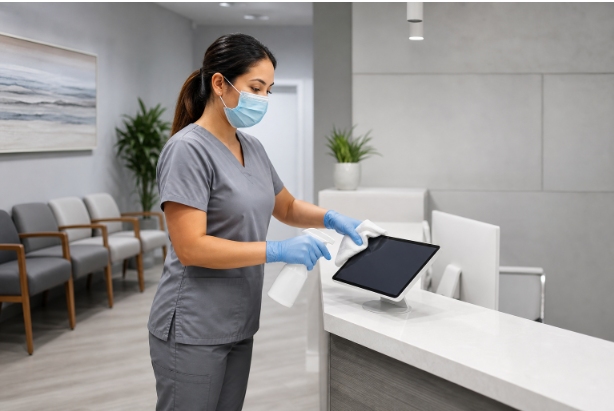
Medical practices in Mesa, Arizona need a cleaning system that supports patient confidence, protects staff workflows, and keeps every room ready for the next appointment. For practices comparing outside support, clinic and medical office cleaning across the Mesa area is the focus of a Keepers Commercial Cleaning service page covering healthcare-focused cleaning for local medical offices. Keepers Commercial Cleaning serves Mesa practices with customized programs, trained technicians, and cleaning plans built around clinical spaces, patient flow, and infection-control considerations.
In a busy desert community, dust can accumulate quickly near entrances, while frequent patient turnover creates repeated contact with seating, counters, handles, and equipment. A consistent checklist helps teams manage both visible cleanliness and the room-specific tasks that support safer care.
Why Medical Clinic Cleaning Needs a Clear System
Healthcare spaces gather patients, caregivers, visitors, shared equipment, and sometimes blood or body fluids, making simple end-of-day wipes insufficient. Cleaning should differentiate between routine cleaning, patient turnover, visible dirt, spills, and high-risk procedures. Environmental cleaning is key to infection prevention. Recent data shows 59% of healthcare facilities worldwide met basic sanitation standards in 2025, which include protocols and trained staff, highlighting the importance of documented, repeatable cleaning processes.
Start With a Room-by-Room Risk Review
Do not apply one broad checklist to every part of a clinic. Begin by walking the same path a patient, visitor, clinician, and cleaner would take. For each space, identify the room's purpose, the surfaces people touch, the equipment present, and the best time to clean without disrupting care.
List every room and its primary use.
Mark patient, staff, and visitor touchpoints.
Identify surfaces near supplies or noncritical equipment.
Set daily, between-patient, and periodic tasks.
Assign a responsible role and a way to confirm completion.
Reception and Waiting Areas
The front of the clinic creates the first impression, but it also includes many shared touchpoints. Clean and disinfect reception counters, check-in tablets, pens, payment terminals, door handles, chair arms, light switches, and kiosk screens in accordance with the clinic's procedures. Empty trash before it overflows, clean entry mats and floors, and refill hand sanitizer before dispensers run dry.
Choose waiting-room items with cleanability in mind. Shared toys, magazines, and decorative objects can add clutter and create more surfaces to maintain. Keep only items that the team can reliably clean, store, or replace.
Exam Rooms and Treatment Areas
Exam rooms require strict turnover routines: first clean visible soil, then disinfect high-touch surfaces like exam tables, chairs, counters, and sinks, following disinfectant instructions for surface compatibility and contact time. Store clean supplies separately from used ones and reprocess reusable equipment per protocols. Address floors and lower surfaces when dirty or after spills. Use a systematic route, starting from cleaner and higher areas to dirtier, lower surfaces to ensure thorough cleaning.
Restrooms, Staff Areas, and Shared Spaces
Restrooms require regular attention to toilets, faucets, sinks, dispensers, partitions, door hardware, floors, and waste containers. Staff-only rooms also matter. Break-room tables, refrigerator handles, microwave controls, shared keyboards, and appliance buttons are subject to repeated contact during a shift.
During every walkthrough, look for leaks, moisture, odors, damaged finishes, low soap, and full bins. These conditions should be reported promptly so the clinic can correct the issue rather than repeatedly cleaning around it.
Use the Right Products and Tools
Select products approved for the surface and contamination, use them as labeled. More isn't better, and mixing chemicals can be dangerous. Keep safety info accessible, store chemicals securely, and wear PPE. Use separate cloths, mops, and tools for different areas. Color coding helps zone separation, especially when multiple people clean.
Build a Daily Cleaning Schedule
Between Patients
Remove visible soil from the exam table, chair arms, counters, and touchpoints.
Apply the appropriate disinfectant and allow the required contact time.
Reset the room with clean supplies and remove used materials through the proper workflow.
At the End of Each Day
Complete the full room checklist, including floors and waste removal.
Clean restrooms, waiting areas, staff spaces, and lower-touch surfaces.
Restock approved supplies and note shortages or damaged items.
Weekly or Periodic Tasks
Clean vents, baseboards, corners, walls, and other lower-touch surfaces.
Inspect upholstery, flooring, and frequently used equipment for wear or damage.
Adjust the schedule when service lines, staffing, hours, or patient volume change.
Train Staff on Safe Cleaning Practices
Training should cover hand hygiene, required protective equipment, chemical safety, spill response, and the difference between cleaning and disinfecting. Staff also need to know which duties belong to clinical personnel and which can be completed by environmental services. The CDC's environmental cleaning procedures emphasize risk-based schedules, identified responsibilities, checklists, and attention to high-touch surfaces.
Document Completed Tasks and Review the Plan
A simple log can record the room, date, time, responsible staff member, supply shortages, spills, or unusual conditions. Supervisor checks may be appropriate for higher-risk spaces. Review logs during team meetings to identify recurring gaps, then update the plan when patient volume increases, new services are added, room layouts change, or patients report odors, dust, or visibly missed areas.
Common Questions About Medical Clinic Cleaning
How Often Should Exam Rooms Be Cleaned?
Frequency depends on the care provided, patient turnover, visible soil, and the clinic's infection-prevention procedures. High-touch surfaces often need attention between patients, while full-room tasks may occur on a daily or scheduled basis.
Which Surfaces Need the Most Attention?
Prioritize exam tables, door handles, chair arms, counters, sink handles, light switches, keyboards, check-in devices, and shared noncritical equipment.
Can a General Office Cleaner Handle a Medical Clinic?
A clinic requires room-specific procedures, appropriate products, safe waste practices, and close coordination with clinical staff. The cleaning provider should understand the boundaries of its work and the practice's expectations.
Conclusion
A clean Mesa clinic is built through repeatable steps, trained people, suitable tools, and regular review. A room-by-room checklist gives practice managers a practical way to support patient care, prepare for daily appointments, and maintain a healthcare environment that looks organized, feels welcoming, and is ready for the next patient.
 Supriyo Khan
 Supriyo Khan
 Supriyo Khan
 Supriyo Khan
Want to add a comment?