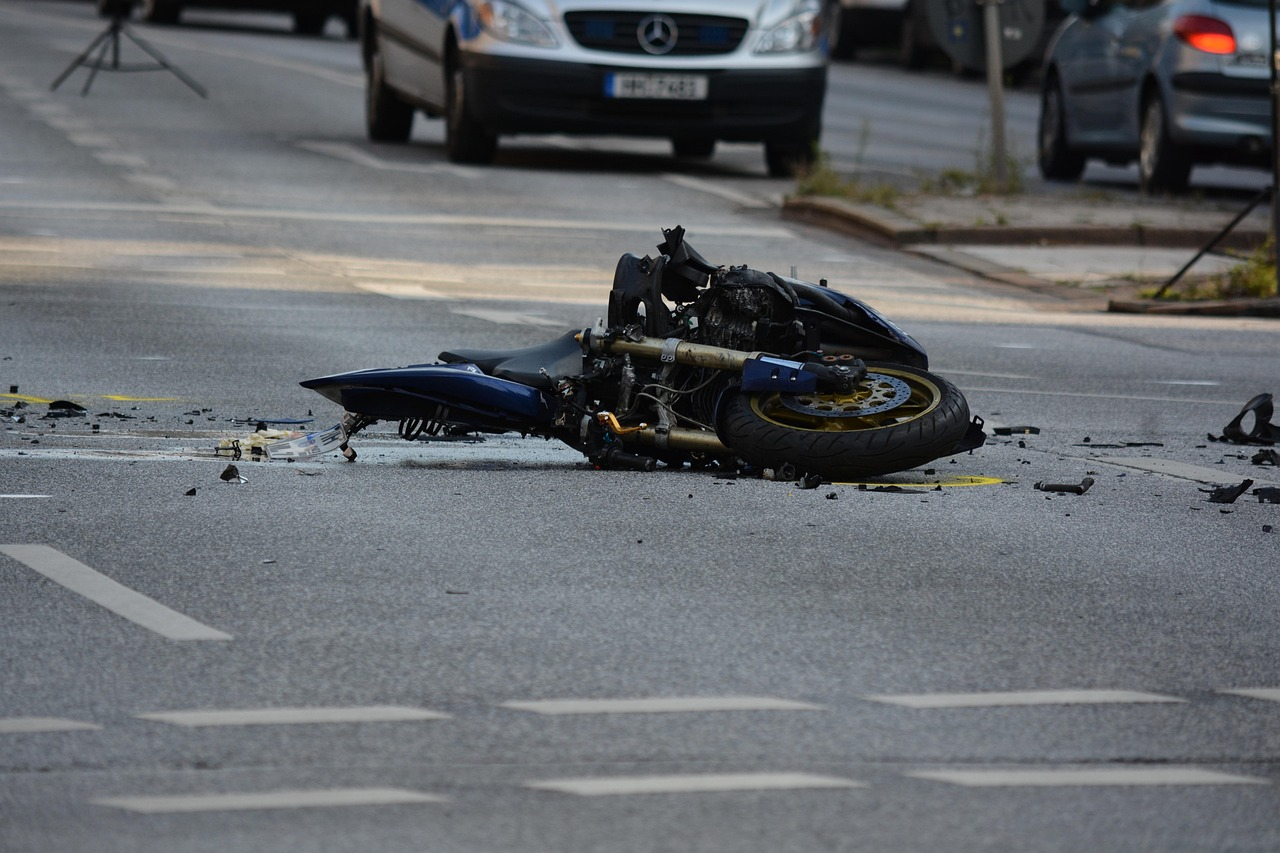
A truck or motorcycle accident is one of the most terrifying experiences a person can go through.
One minute you're driving home... the next, you're stranded on the side of the road with no idea what just happened. Your decisions during these first few minutes can drastically alter the outcome of your case.
Here are the precise steps you need to follow in the wake of a truck or motorcycle accident to protect your health and to build the strongest possible claim.
Why The First Few Minutes Matter So Much
Step-By-Step: What To Do Right After The Crash
The Biggest Mistakes People Make After An Accident
Why Truck & Motorcycle Cases Are Different
The minutes right after a crash are the most important.
Here's why: Evidence is lost quickly. Witnesses go. Skid marks fade. And insurance companies begin building a case against you the second the phone rings.
Truck and motorcycle accidents are no joke either. Recent data shows 5,218 large trucks were involved in a fatal crash in 2024 — a 30% increase over the past 10 years. Motorcycle riders have it worse. Per mile traveled, motorcycle riders are 24 times more likely to die than people in cars.
If you've been involved in a serious accident, one of the best things you can do is to get Dallas personal injury attorney help right away. Most law firms offer a free case consultation, so there's no reason to wait until after you talk to the adjuster. A free case consultation can tell you what your claim is worth.
Why is that so important?
Because when you say the wrong thing to an insurance adjuster... You can't ring that bell.
Read through them and save them — whatever works.
Your safety comes first. Always.
If you're able to move, put yourself out of traffic. If you're on a motorcycle, this is especially important – bikers are vulnerable and a second collision can occur in an instant. Check yourself for injuries, then check on anyone else involved.
Quick rules to follow-
Don't try to "shake off" pain
Don't move someone who can't move themselves
Don't remove your helmet if you've hit your head
Adrenaline hides injuries. You might feel "fine" and have a serious concussion.
A lot of people skip this step. Big mistake.
You need a police report. The officer's report is the single most important piece of evidence in any truck or motorcycle accident claim. Without it your case is substantially weaker.
When the officer arrives, explain what happened (stick to the facts), do not admit fault or apologise, and get the officer's name and report number.
Pull out your phone and start taking pictures. Lots of them.
Photograph the vehicles (close up and wide), the road and skid marks, traffic signs, any injuries, the other driver's licence plate, any debris and weather conditions.
Now, walk quickly through the scene, while filming with the cell phone. This is important for the attorney later.
Pro tip: Truck accident scenes get cleaned up FAST. The trucking company will send investigators within hours. Get the evidence before they show up.
Witnesses are huge.
If anyone witnessed the accident, get their name and number. Ask them what they saw as soon as possible, before they forget. Get them to do a short voice memo of them explaining the crash if they're happy to.
Most people forget this. Don't be like most people.
Obtain the other driver's name and contact information, driver's licence number, insurance company and policy number, licence plate number and vehicle make/model.
For truck accidents, obtain the driver's CDL number, trucking company name, and truck's USDOT number. The trucking company, and not just the driver, is often at fault.
Even if you think you're fine, see a doctor.
Some injuries (whiplash, concussions, internal bleeding) take hours/days to manifest. Wait for it...
The insurance company will say the injuries were not caused by the crash if too much time passes.
Record visit on the same day. File all papers — invoices, prescriptions, discharge summaries.
The other driver's insurance company will call. Often within hours.
They'll sound friendly. They'll want to record a statement. Don't do it.
Tell them politely:
"I don't want to make a statement. Please have your representative contact my attorney in writing."
Then hang up.
This is the step most people skip — and regret later.
Let a good lawyer deal with the insurance companies for you. The lawyer will investigate the accident and determine actual damages (not the low ball offer).
Most personal injury lawyers work on a contingency basis. This means there is no fee unless the case is won. So it's no risk just to talk.
Don't make these:
Posting on social media — anything you post can be used against you
Accepting the first settlement offer — it's almost always lowballed
Saying "I'm sorry" — it can be twisted into an admission of fault
Trusting the other driver's insurance — they pay you as little as possible
Skipping medical appointments — gaps let insurers argue you weren't hurt
Truck and motorcycle accidents are not your average fender bender.
Truck cases: Trucking companies have teams of lawyers and investigators ready to defend them. There can be multiple parties at fault — the driver, the trucking company, the cargo loader, even the manufacturer.
Motorcycle cases: Bikers face prejudice. Jurors and insurance adjusters tend to think the motorcyclist was speeding or otherwise driving recklessly – even when the facts show that wasn't the case. In over 50% of fatal motorcycle accidents in Texas, a collision with another vehicle was the cause. And in the majority of those cases, the other driver is at fault.
This is why these cases need a lawyer who handles them all the time.
If these steps are followed after a truck or motorcycle accident, the chance of receiving a fair outcome is much higher. Let's review:
Get to safety and check for injuries
Call the police and get a report
Document EVERYTHING with photos and video
See a doctor the same day
Don't talk to insurance until legal advice has been received
Truck and motorcycle accidents can alter your life in an instant. The actions taken in the hours and days following will determine what the next few months will be like.
Take it seriously. Get help. And don't try to handle it on your own.
 Supriyo Khan
 Supriyo Khan
 Supriyo Khan
 Supriyo Khan

Want to add a comment?