Long term spaceman engagement usually shifts from excitement to process. New spaceman users feel thrill,
while experienced spaceman users focus on rhythm and discipline. This transition is common in fast‑round systems.
Education, pacing, and expectation management help spaceman participants maintain a healthy relationship with
the activity over time.
Mobile performance plays an important role in spaceman popularity. Most spaceman platforms are optimized
for lightweight loading and smooth animation. Faster spaceman rendering improves user satisfaction and reduces
abandonment. Page speed and responsiveness directly influence how long spaceman users stay active. Technical
optimization therefore becomes part of spaceman success, not just gameplay design.
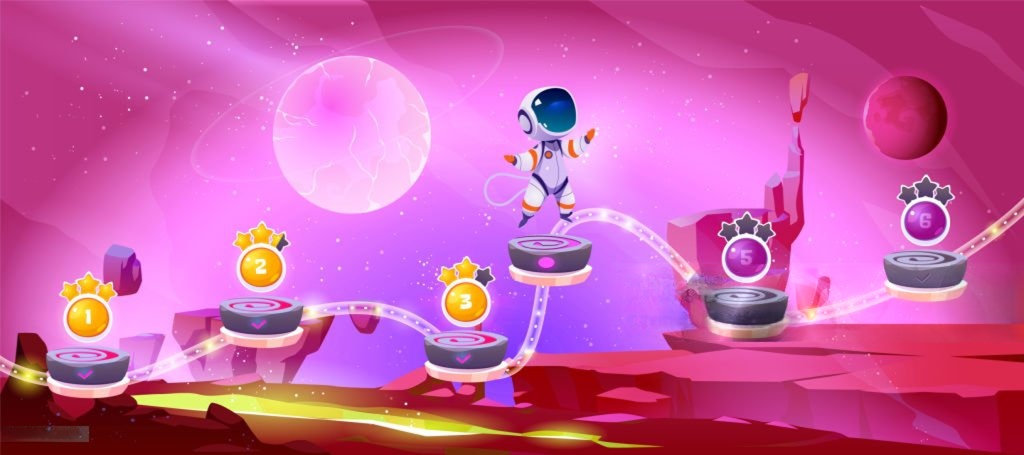
Spaceman theme identity is another driver of memorability. The astronaut motif, space environment, and
upward motion metaphor create a clear narrative. Strong thematic cohesion makes spaceman branding recognizable.
Recognition supports return visits and repeat interaction. In product branding terms, spaceman has a distinct
visual and conceptual anchor.
Another key strength of spaceman systems is visual feedback. The slot demo spaceman character animation, motion
curve, and increasing multiplier display create constant sensory reinforcement. Visual momentum keeps
spaceman users attentive throughout the round. Strong visual cues reduce confusion and maintain engagement.
In digital product design, this is known as continuous feedback signaling, and spaceman interfaces use it well.
Spaceman gameplay also benefits from short cycle duration. Each spaceman round ends quickly, allowing
players to reassess and adjust behavior. Short spaceman cycles support experimentation because the cost of
each decision is limited in time. This encourages learning through repetition. Many spaceman users develop
personal timing rules based on observation rather than fixed formulas. While no spaceman outcome can be
guaranteed, structured observation helps players remain disciplined and consistent in their approach.
Risk awareness is essential in spaceman participation. Because spaceman outcomes are variable, users should
define boundaries before playing. A spaceman budget, spaceman time limit, and spaceman break schedule help
maintain control. Responsible spaceman engagement focuses on entertainment value first. Structured limits
prevent emotional decision making during spaceman sessions.
The spaceman game model has become widely recognized because it blends simplicity with tension.
A spaceman round usually starts instantly and progresses with a rising multiplier curve. The spaceman
concept is easy to understand even for first‑time users. This accessibility is one major reason spaceman
themed games spread quickly across platforms. When a spaceman session begins, players focus on timing and
reaction rather than complex rules, which lowers the barrier to entry and increases repeat participation.
From a usability standpoint, spaceman design removes friction. Fewer buttons, clearer feedback, and visible
multiplier growth make spaceman interfaces intuitive. That clarity improves confidence and reduces hesitation.
Content creators also benefit from spaceman topics because spaceman supports many article angles. Writers
can produce spaceman guides, spaceman psychology analysis, spaceman UX reviews, spaceman timing theories, and
spaceman trend reports. This keyword flexibility allows spaceman content clusters to grow naturally. Search
engines generally respond well to structured spaceman educational content that explains systems clearly.
 Supriyo Khan
 Supriyo Khan
 Supriyo Khan
 Supriyo Khan

Want to add a comment?