Key Takeaways
Regular physical activity improves overall health and longevity.
Balanced nutrition supports physical and cognitive well-being.
Mental stimulation and social engagement are crucial for cognitive health.
Quality sleep and stress management contribute to overall wellness.
Table of Contents
The Importance of Physical Activity
Balanced Nutrition for Seniors
Mental Stimulation and Lifelong Learning
Social Engagement and Community Involvement
Quality Sleep and Rest Patterns
Stress Management Techniques
Regular Health Check-Ups and Medication Management
Conclusion
Healthy habits are powerful tools for enjoying a better quality of life as we grow older. Prioritizing physical movement, nutrition, mental activity, and social connections has proven to profoundly impact health and happiness. Seniors who consciously add even small positive behaviors to their daily routines often experience greater energy, resilience, and purpose. For those seeking enhanced quality in their golden years, senior living Long Island, NY, provides supportive environments focused on wellness and engagement.
As individuals age, everyday choices become even more significant to living vibrantly and independently. Whether it is joining group exercise, preparing colorful meals, participating in brain-stimulating activities, or building new friendships, every healthy decision can help pave the way to longevity and fulfillment. Small yet consistent improvements yield noticeable benefits, showing that it is never too late to adopt new habits for a rewarding senior lifestyle.
Healthy aging is also about maintaining a sense of purpose, finding joy in community, and nurturing both mind and body. The journey is unique to everyone, and with the right support and self-care, every day can feel meaningful. Research continues to highlight the importance of regular activity, balanced meals, strong social ties, and stress management for thriving in later years.
The Importance of Physical Activity
Staying active is one of the most effective ways to maintain mobility, independence, and emotional well-being as we age. Current research demonstrates that even modest amounts of added exercise can lead to remarkable health benefits for seniors. For instance, increasing daily activity in small increments, such as taking brief walks or performing light stretching, supports cardiovascular health, flexibility, and muscle strength.
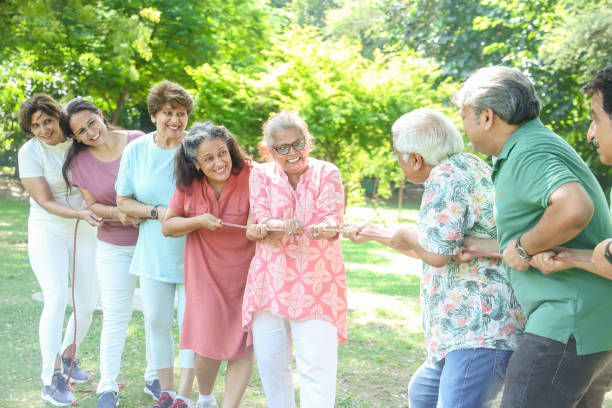
Participating in group exercise programs like water aerobics, tai chi, or gentle yoga can foster both health and social connections. For those with limited mobility, chair exercises or short walks around the neighborhood are effective ways to keep moving. The key is to find activities that feel enjoyable and sustainable, making them a regular part of each day.
Balanced Nutrition for Seniors
A nutrient-rich diet lays the foundation for healthy aging by supporting the body's energy, immune function, and even cognitive abilities. Seniors are encouraged to focus on whole foods, including leafy greens, seasonal fruits, whole grains, and lean proteins. Limiting processed or sugary foods may help to reduce inflammation and the risk of developing age-related conditions such as diabetes or heart disease. According to U.S. News & World Report's Healthy Aging Diet, daily habits such as colorful meals, proper hydration, and mindful eating collectively strengthen long-term health.
Simple Nutrition Tips
Plan meals with a variety of fruits and vegetables
Include beans, nuts, and seeds for plant-based proteins
Choose whole grains over refined ones
Stay hydrated with water, herbal teas, or infusions
Prepare smaller, more frequent meals if needed for easier digestion
Mental Stimulation and Lifelong Learning
Intellectual engagement and ongoing learning do more than pass the time. Regularly challenging the brain helps preserve memory and supports cognitive agility as we age. Activities like crosswords, sudoku, book clubs, or online courses can provide both enjoyment and protection against cognitive decline. Taking up new hobbies, whether music, arts, or technology, can foster a sense of achievement and personal growth. Research notes that lifelong learning and cognitive activities stimulate neuroplasticity and may delay the onset of dementia-related symptoms.
Social Engagement and Community Involvement
Social connections are some of the most important predictors of emotional and physical health later in life. Seniors who keep up with friendships, attend family gatherings, or participate in group activities generally enjoy lower rates of depression and improved mood. Whether it is volunteering, joining local hobby groups, or connecting online, community involvement brings a sense of belonging and purpose. Initiatives that offer intergenerational programs or support networks can be especially valuable in creating a supportive environment where seniors thrive.
Quality Sleep and Rest Patterns
Good sleep is essential to restoring the body, maintaining memory, and supporting immune function. Seniors often notice changes in their sleep patterns with age, but making simple adjustments can yield big improvements in rest quality. Creating a calming bedtime routine, such as reading, listening to soft music, or gentle stretching, signals the body and mind to wind down. A comfortable, dark, and quiet sleep environment supports deeper, more restorative sleep. Guidance from the Sleep Foundation emphasizes the importance of maintaining a consistent sleep schedule and limiting caffeine or screen time before bedtime for optimal rest.
Stress Management Techniques
Chronic stress can impact both mental and physical health, increasing the risk of various age-related conditions. Seniors benefit greatly from regularly practicing stress management tools. Techniques such as meditation, deep breathing, or gentle yoga can reduce anxiety and promote peace of mind. Mindfulness and gratitude exercises, as well as creative outlets like painting or gardening, also foster relaxation and positivity. Engaging in these practices consistently helps to build resilience and improve overall wellness, encouraging healthier responses to daily challenges.
Regular Health Check-Ups and Medication Management
Proactive healthcare is crucial for seniors aiming to maximize independence and quality of life. Scheduling regular health check-ups allows for early detection of potential issues and ongoing management of chronic conditions. Keeping track of medications with pill organizers or digital reminders helps prevent missed doses and ensure treatments are followed accurately. Open discussions with healthcare providers support personalized care plans and adjustments as needs change. Routine screenings and organized medication management are vital elements for safeguarding both physical and cognitive health during the aging process.
Conclusion
Building and maintaining healthy habits as we age is the pathway to a vibrant, independent, and rewarding life. By focusing on daily activity, wholesome nutrition, cognitive enrichment, strong social networks, restful sleep, effective stress management, and proactive healthcare, seniors can fully embrace their golden years with confidence and joy. Every day is an opportunity to make positive choices that enhance well-being and bring lasting fulfillment.
 Supriyo Khan
 Supriyo Khan
 Supriyo Khan
 Supriyo Khan

Want to add a comment?