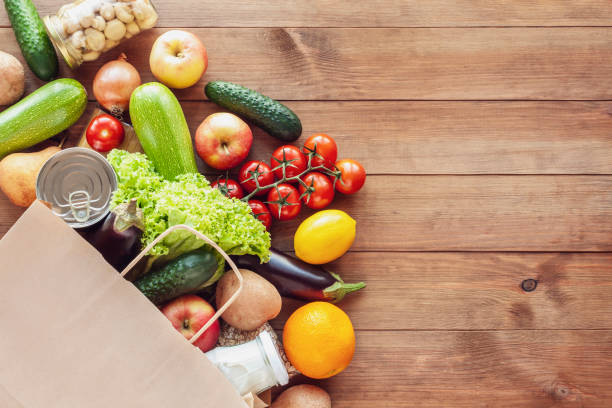
Organic Vegetable Delivery for Healthy Meals
Busy professionals in SEO, ecommerce, and agency roles often sacrifice meal quality for time. Organic vegetable delivery for healthy meals solves that trade-off by bringing certified produce directly to the door, saving time, reducing waste, and supporting local farms. This article explains why many time-constrained online business owners are switching from weekly grocery trips to curated organic delivery services, how those services operate, and practical guidance for choosing and using them effectively in 2026.
For professionals who manage client campaigns, run affiliate sites, or oversee link-building strategies, time equals revenue. Organic vegetable delivery for healthy meals removes the recurring friction of planning, shopping, and hauling groceries, and delivers predictable, high-quality produce that fits a healthy routine.
Organic vegetables typically come from farms that avoid synthetic pesticides, genetically modified seeds, and many industrial fertilizers. Studies consistently show lower pesticide residues on organic produce, and some research suggests higher concentrations of certain antioxidants. For someone balancing meetings and content deadlines, the marginal health benefits, fewer chemical exposures and potentially higher nutrient density, are an appealing reason to choose organic deliveries.
Beyond residue and nutrients, organic produce often reaches consumers faster via short supply chains, which can translate to fresher flavor and retained vitamins. That freshness matters when building simple, healthy meals: a fresher tomato or leafy green changes a salad from adequate to notable.
The biggest practical gain for busy digital professionals is time. Delivery services remove the weekly shopping loop and often let subscribers set delivery cadence: weekly, biweekly, or on-demand. With predictable boxes, decision fatigue drops and meal prep becomes faster.
Many services also reduce waste by offering portioned boxes or flexible box sizes. Instead of buying a dozen items that partly spoil, subscribers receive quantities matched to household size or cooking habits. For agencies and freelancers working odd hours, that reduction in spoilage is both economical and less mentally taxing.
Finally, organic vegetable delivery for healthy meals often integrates ordering apps, calendar-based delivery windows, and easy skips, making it compatible with the volatile schedules common among SEO and ecommerce teams.
Understanding the logistics behind organic delivery helps buyers evaluate reliability and quality.
"Organic" is a regulated term in many countries. Certified organic farms follow standards that typically limit synthetic pesticide use, prohibit GMOs, and require soil and animal welfare practices. Reputable delivery services provide transparency: farm lists, certification badges (USDA Organic, EU Organic, or equivalent), and origin details for each box.
Beyond certification, good services publish harvesting timelines and storage practices. A credible operation will describe cold-chain steps, how quickly produce is cooled after harvest and how it's handled during packing. For professionals who value evidence and accountability (like SEO teams tracking campaign metrics), these operational details are a useful proxy for quality.
Most organic delivery companies offer a few common models:
Subscription boxes: recurring deliveries with preset or customizable contents.
Community Supported Agriculture (CSA): seasonal shares directly from a single farm.
A la carte delivery: order specific items as needed.
Ordering windows vary. Some services require weekly cutoff times: others allow same-week edits until 48 hours before shipment. Delivery options now include timed windows, contactless doorstep drops, and locker pickups at partner locations, useful for remote workers or agencies with shared office addresses.
For teams that track operational efficiency, integrating delivery schedules with work calendars reduces missed deliveries and ensures produce arrives when meals will get used.
Choosing the right organic vegetable delivery depends on cooking habits, household size, and willingness to tailor boxes.
Services range from curated, chef-inspired boxes to bare-bones vegetable-only shares. Busy entrepreneurs who want minimal decision-making may prefer curated boxes with suggested recipes. DIY cooks often value maximum customization and add-on markets where they can include pantry staples, dairy alternatives, or proteins.
Seasonality affects both price and variety. Some subscribers welcome seasonal variety as a way to expand meal repertoires: others want consistent staples year-round. Evaluate whether a service allows substitutions, preferences (e.g., no brassicas), or build-your-own boxes, these features determine how well the service will integrate with established meal plans.
Price tiers typically reflect sourcing, convenience, and certification rigor. CSAs can offer excellent value per pound because they cut intermediaries out, but they require commitment and may include items a household won't use. Subscription boxes add curation and convenience at a premium. A la carte delivery gives the most control but can be the most expensive per item.
Consider total cost, including delivery fees, tipping, and potential waste. For agencies calculating employee perks or office snack supplies, a subscription that scales and offers business accounts may make financial sense. Comparing price per usable portion, not just per-pound cost, gives a clearer picture of real value.
Many services now include meal-planning tools and recipe suggestions tailored to the box contents, which matters for professionals who want turnkey solutions.
Delivery services often pair each box with 2–4 quick recipes designed for 20–40 minute preparation. Typical examples include:
Stir-fry bowls: mixed seasonal greens, carrots, and bell peppers tossed with a simple soy-garlic sauce over quick-cooking grains.
Roasted vegetable grain bowls: root vegetables, leafy greens, and a tahini-lemon dressing served with quinoa or farro.
Sheet-pan dinners: an adaptable method where protein (tofu or chicken) and assorted veg roast together with a bold spice blend.
These recipes focus on pantry-friendly ingredients and minimal steps so they fit into unpredictable schedules.
Batch cooking extends the value of deliveries. Suggestions commonly shared by services include:
Blanching and freezing surplus greens for smoothies or soups.
Roasting large batches of root vegetables and portioning them for grab-and-go lunches.
Preparing versatile sauces (pesto, tomato ragù) that preserve well and pair with many dishes.
For teams running tight delivery timelines, these tips reduce meal friction and help convert a single box into multiple meals across a week or two.
Organic vegetable delivery intersects with sustainability concerns, an important consideration for agencies and brands that emphasize CSR or local sourcing in their messaging.
Short supply chains reduce food miles, which often means fresher produce and a smaller transportation footprint. Many services partner with regional farms, creating predictable demand and providing farmers with stable income. For SEO and marketing teams, these local partnerships can form authentic stories for content and link-building campaigns, highlighting community support and provenance.
Packaging varies widely. Preferred choices include recyclable cardboard, compostable liners, and minimal single-use plastics. Some companies use reusable crates or take-back programs to close the loop. When selecting a service, look for packaging transparency and clear recycling or composting instructions, those details matter to sustainability-minded customers and can become a differentiator in marketing content.
A smooth start reduces buyer anxiety and helps retain subscribers, which benefits both customers and services.
Most platforms let subscribers adjust box size in account settings. If workload spikes, users can usually skip deliveries without penalty. Substitution policies vary: some services substitute similar items when a crop is scarce, while others give credits. It's wise to set preferences (e.g., "no mushrooms") and review the week-before delivery emails to avoid surprises.
For agencies considering offering organic deliveries as employee benefits, look for business account features like centralized billing, multiple delivery addresses, and admin controls.
Reputable services have policies for damaged or missing produce, typically offering refunds, credits, or replacement items if reported within a set window (often 24–48 hours). Documenting the issue with photos and keeping order numbers handy speeds resolution. If problems recur, escalate through customer support channels or check the service's sourcing transparency, repeated issues can signal supply-chain weaknesses.
Organic vegetable delivery for healthy meals is a practical fit for time-pressed professionals in SEO, ecommerce, and agency roles. It saves time, reduces waste, and often elevates meal quality while enabling predictable procurement that aligns with busy schedules. When evaluating services, prioritize transparent sourcing, flexible subscription controls, and supportive recipe resources that match the team's cooking habits. For agencies and marketers, these programs not only improve employee wellbeing but also create authentic storytelling opportunities for content and link-building campaigns. In 2026, the right delivery partner can be both a convenience play and a small but meaningful competitive advantage.
 Supriyo Khan
 Supriyo Khan
 Supriyo Khan
 Supriyo Khan

Want to add a comment?