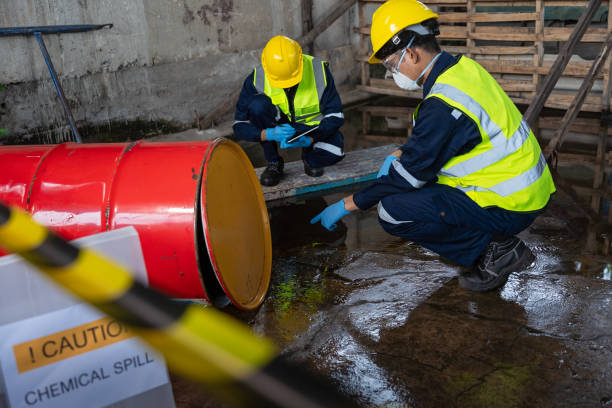
Managing an industrial or construction site comes with a heavy set of responsibilities, and few are as critical as environmental protection. Oil spills, whether they are minor leaks from machinery or major storage failures, present immediate hazards to both personnel and the local ecosystem. A site manager must be prepared to act with precision and speed to mitigate damage and ensure compliance with strict environmental regulations.
Understanding the correct protocols is important to avoid fines and maintain a safe, professional workspace. When a spill occurs, the initial moments are often the most chaotic, which is why having a predefined set of actions is vital. By mastering these protocols, you can transform a potential disaster into a controlled cleanup operation. Read ahead to understand how to respond safely and responsibly when a spill happens.
Oil spills can create surface staining. Slippery floors increase the risk of slips and falls, especially in workplaces with regular foot traffic. In outdoor areas, oil may soak into ground surfaces and enter drains, which may lead to wider environmental harm.
Under UK environmental law, uncontrolled oil spills may result in enforcement action or fines. The Environment Agency treats oil pollution seriously, even when the spill seems minor. That’s why early, professional and safe oil spill cleaning is essential.
The first priority is safety. If it’s safe to do so, isolate the area to prevent people or vehicles from spreading the oil further. Switch off any nearby equipment that might increase the risk of fire or further leakage.
Next, stop the source if possible. This might involve closing a valve, uprighting a container, or placing a temporary seal. Acting quickly at this stage may reduce the overall impact and the scale of cleaning needed.
Before removal begins, the spill needs to be contained. Containment stops oil from reaching drains, soil, or waterways. Absorbent socks, pads, or barriers are often used for this purpose.
At this stage, many site managers look for safe oil spill cleaning services that meet UK standards. This approach focuses on controlled containment, proper material use, and disposal that aligns with environmental guidance, rather than quick fixes that may cause further issues.
Once contained, the oil can be removed using suitable absorbent materials or specialist equipment. These materials soak up oil without spreading it further. After removal, the affected surface often needs a deeper clean to remove residue that could still pose a slip risk.
Cleaning agents used for oil removal should be appropriate for the surface and the setting. For example, concrete, tarmac, and indoor flooring all require different treatment. Using the wrong method may damage surfaces or leave harmful residue behind.
Used absorbents, contaminated water, and cleaning materials count as hazardous waste. They can’t be disposed of with general rubbish. UK regulations require that this waste is collected, transported, and disposed of by licensed carriers.
Keeping records of how the spill was handled and how waste was removed is also important. These records may be requested during inspections or if questions arise later about compliance.
Some spills are too large or complex for basic on-site measures. Fuel spills, transformer oil leaks, or repeated incidents often require specialist involvement. Professionals use equipment and techniques designed to deal with oil safely while protecting surrounding areas.
Specialist teams also understand current UK regulations and best practice for safe oil spill cleaning, which may reduce the risk of follow-up issues after the clean-up is complete.
Oil spills are stressful, but clear procedures help keep situations under control. Acting quickly, containing the spill, cleaning it properly, and handling waste correctly all play a role in protecting people, property, and the environment. If you’re responsible for a site, reviewing your current spill response plan today may save time, cost, and disruption tomorrow.
 Supriyo Khan
 Supriyo Khan
 Supriyo Khan
 Supriyo Khan

Want to add a comment?