Anxiety doesn't announce itself politely. It shows up uninvited—during a work presentation, in the middle of a crowded room, or right before sleep. For millions of people, it's more than occasional nervousness. It's a constant companion that affects relationships, productivity, and overall quality of life.
Before diving into solutions, it's helpful to understand what anxiety actually is. At its core, anxiety is your body's natural response to stress. It's the nervous feeling before a job interview or the worry about an upcoming medical appointment. These reactions are normal and even helpful in certain situations.
However, anxiety becomes a concern when it persists beyond specific triggers, interferes with daily activities, or feels overwhelming. Symptoms can include restlessness, rapid heartbeat, difficulty concentrating, muscle tension, and sleep disturbances. Some people experience panic attacks, which involve sudden episodes of intense fear accompanied by physical symptoms where gaba capsules amazon can be given for treatment.
Anxiety disorders differ from everyday stress in their intensity and duration. Generalized anxiety disorder, social anxiety, and panic disorder are just a few examples. The key distinction is that anxiety disorders don't simply fade when the stressful situation passes—they linger and often intensify without intervention.
If anxiety is affecting your work, relationships, or daily functioning, consulting a healthcare professional is essential. While natural alternatives can be beneficial, they work best as part of a comprehensive treatment plan, especially for moderate to severe anxiety.
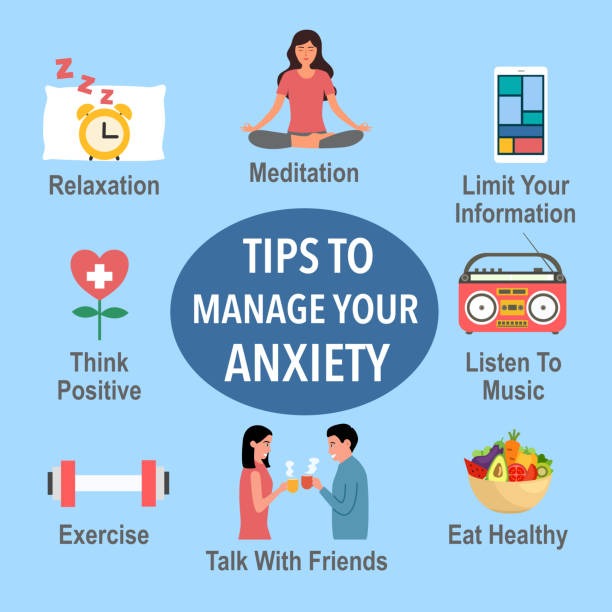
Mindfulness involves paying attention to the present moment without judgment. Instead of worrying about tomorrow's meeting or replaying yesterday's conversation, you focus on what's happening right now—your breath, the sensation of your feet on the ground, or the sounds around you.
Research shows that regular mindfulness practice can reduce anxiety by interrupting the cycle of worried thoughts. Meditation, a formal mindfulness practice, has been particularly effective. Studies have found that just 10 minutes of daily meditation can lower cortisol levels (a stress hormone) and decrease symptoms of anxiety.
There are several approaches to try:
Breath-focused meditation: Simply observe your breathing without trying to change it.
Body scan meditation: Systematically notice sensations throughout your body.
Guided meditation: Follow along with recorded instructions or apps like Headspace or Calm.
Movement meditation: Practice mindfulness through activities like yoga or tai chi.
The beauty of mindfulness is its accessibility. You don't need special equipment or training to begin. Start with five minutes a day and gradually increase the duration as it becomes more comfortable.
Humans have used plants to manage anxiety for thousands of years. While herbal remedies shouldn't replace prescribed medications without medical supervision, many people find them helpful as complementary treatments.
Chamomile is perhaps the most familiar anxiety-relieving herb. Often consumed as tea, chamomile contains compounds that bind to the same brain receptors as anti-anxiety medications. Studies suggest that chamomile extract can significantly reduce symptoms of generalized anxiety disorder.
Lavender has calming properties that work through both scent and ingestion. Inhaling lavender essential oil or taking lavender supplements has been shown to reduce anxiety in clinical settings. Some research indicates its effects are comparable to low-dose anti-anxiety medications.
Valerian root is commonly used for sleep issues but also shows promise for anxiety. It appears to increase levels of GABA, a neurotransmitter that promotes relaxation. Valerian is typically taken as a tea or supplement.
Other herbs worth exploring include passionflower, lemon balm, and ashwagandha. Each has different mechanisms of action and varying levels of research support. Always consult a healthcare provider before starting herbal remedies, as they can interact with medications and aren't appropriate for everyone.
The connection between diet and mental health is stronger than many people realize. What you eat directly affects brain chemistry, inflammation levels, and gut health—all of which influence anxiety.
Processed foods, refined sugars, and excessive caffeine can worsen anxiety symptoms. Caffeine, in particular, can trigger or amplify feelings of nervousness and even cause panic attacks in sensitive individuals. If you're prone to anxiety, reducing or eliminating caffeine is often one of the most impactful changes you can make.
On the flip side, certain foods may help manage anxiety:
Omega-3 fatty acids (found in fatty fish, walnuts, and flaxseeds) have anti-inflammatory properties that support brain health.
Complex carbohydrates (like whole grains and vegetables) help regulate blood sugar and promote serotonin production.
Fermented foods (such as yogurt, kefir, and sauerkraut) support gut health, which is increasingly linked to mental well-being.
Magnesium-rich foods (including leafy greens, nuts, and legumes) play a role in nervous system regulation.
Staying hydrated and eating regular, balanced meals also helps stabilize mood and energy levels. Skipping meals or eating erratically can trigger anxiety symptoms in some people.
Movement is one of the most effective natural anxiety treatments available. When you exercise, your body releases endorphins—chemicals that improve mood and act as natural painkillers. Physical activity also reduces stress hormones like cortisol and adrenaline.
You don't need intense workouts to see benefits. Research shows that moderate exercise—like a 30-minute walk—can significantly reduce anxiety symptoms. Regular physical activity appears to be as effective as medication for some people with mild to moderate anxiety disorders.
Different types of exercise offer unique benefits:
Aerobic exercise (running, cycling, swimming) is particularly effective for reducing overall anxiety levels.
Strength training can boost confidence and provide a sense of accomplishment.
Yoga combines physical movement with breath control and mindfulness.
Outdoor activities add the additional benefit of nature exposure, which has its own anxiety-reducing effects.
The key is finding activities you enjoy and can maintain consistently. Exercise works best for anxiety when it becomes a regular habit rather than something you do only when symptoms flare up.
Natural anxiety management rarely involves just one method. The patients who find the most relief typically combine multiple approaches tailored to their specific needs and circumstances.
For example, someone might start their day with 10 minutes of meditation, take a lunchtime walk, drink chamomile tea in the evening, and maintain a diet low in processed foods and caffeine. Another person might focus on yoga classes, omega-3 supplements, and regular therapy sessions.
Professional support remains important even when using natural methods. Therapists can teach cognitive-behavioral techniques that complement natural approaches. Some areas, like those offering medical marijuana in Draper, UT, provide additional alternative options that patients can discuss with qualified healthcare providers.
Building a supportive community also matters. Whether it's a meditation group, exercise buddies, or an online forum, connecting with others who understand what you're experiencing can reduce feelings of isolation and provide accountability.
Remember that what works varies from person to person. Be patient with yourself as you experiment with different approaches. Keep track of what helps and what doesn't, and don't hesitate to adjust your strategy.
Managing anxiety naturally is possible for many people, but it requires commitment, experimentation, and often professional guidance. The methods discussed here—mindfulness, herbal remedies, dietary changes, and exercise—have helped countless patients reduce their symptoms and improve their quality of life.
 Supriyo Khan
 Supriyo Khan
 Supriyo Khan
 Supriyo Khan

Want to add a comment?