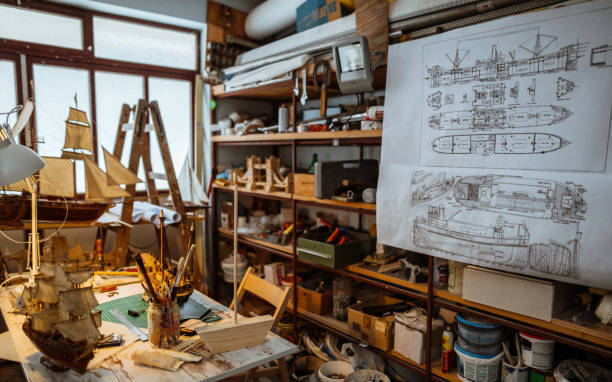
For many property owners, having a dedicated workshop is more than just a convenience. It becomes a place where projects come to life, equipment stays organized, and ideas turn into finished work. Whether you enjoy woodworking, vehicle repair, metal fabrication, or general DIY projects, a workshop gives you the space to work comfortably and efficiently.
Planning a workshop is an exciting step, but it is also an investment that deserves careful thought. A well-designed workshop should not only meet your current needs but also remain strong and functional for many years. By focusing on durability, smart design, and quality materials, you can build a workshop that serves your property well into the future.
The first step in planning a durable workshop is understanding how you plan to use it. Every property owner has different goals for their space. Some people want a hobby workshop for small projects, while others need a larger building for equipment repairs or professional work.
Think about the types of tools and equipment you will use. Large equipment may require tall ceilings and wide doors. If you plan to work on vehicles, you may need extra space to move around safely. Woodworking shops often need areas for cutting, sanding, and assembling materials.
It is also helpful to think about storage. Tools, materials, and supplies can quickly fill up a space if there is no clear organization plan. Shelving, cabinets, and overhead storage areas can help keep your workshop clean and functional.
Where you place your workshop can make a big difference in how convenient it is to use. Many property owners choose a location that is close enough to the house for easy access but far enough away to allow for noise and larger projects.
Consider how vehicles or equipment will reach the building. If you plan to bring trucks, trailers, or machinery in and out of the workshop, the location should provide enough room for turning and parking.
You should also pay attention to the condition of the ground. Building on level, well-drained land helps protect the structure from moisture and foundation issues. Proper site preparation is an important part of creating a durable building.
One of the most common mistakes people make when building a workshop is making it too small. Tools and equipment tend to multiply over time, and projects often require more room than expected.
When planning your building, try to think about future needs as well as current ones. A little extra space can make a big difference in how comfortable and useful the workshop feels.
Larger spaces also allow for better organization. Instead of squeezing tools into tight corners, you can create designated work areas that help you stay productive.
The materials used to build your workshop play a major role in how long the structure will last. Traditional wood buildings are still common, but many property owners are now choosing metal structures because of their durability and low maintenance.
Steel buildings are designed to handle demanding conditions. They resist rot, pests, and moisture damage, which are common problems with wood structures. This makes them a strong option for property owners who want a workshop that will hold up over time.
Many contractors who work in Oregon metal building construction help property owners design workshops that are built to last. Steel buildings can also provide large open interior spaces, which means fewer support columns and more room to move around.
Choosing durable materials from the beginning can save time, money, and stress in the future.
A functional workshop needs reliable power and good lighting. Before construction begins, it is important to think about how electricity will be used inside the building.
Power tools, air compressors, welders, and other equipment may require specific electrical outlets or higher voltage connections. Planning the electrical layout early helps ensure that the workshop will support your tools without needing major upgrades later.
Lighting is just as important. Bright and evenly distributed lighting makes it easier to work safely and accurately. Many workshop owners include a combination of overhead lights and task lighting in key areas.
Natural light from windows can also make the space feel more comfortable during the day.
If you plan to use your workshop throughout the year, insulation is an important feature. Cold temperatures can make it difficult to work comfortably during winter months, while extreme heat can create problems in the summer.
Insulation helps regulate the temperature inside the building and protects tools and materials from harsh conditions. Some property owners also add heating systems or ventilation to improve comfort while working.
Workshops built through Oregon metal building construction often include insulation options that improve energy efficiency and make the building easier to use year round.
The type of doors you choose can affect how convenient your workshop is to use. Large overhead doors are a popular option because they allow vehicles and equipment to move in and out easily.
Wider doors also make it simpler to bring in large materials or finished projects. Some property owners include multiple doors so they can access different parts of the workshop without moving equipment around.
Easy access helps keep work flowing smoothly and prevents unnecessary frustration.
Building a workshop involves more than just putting up walls and a roof. Design decisions, materials, and site preparation all contribute to the strength and longevity of the structure.
Working with experienced professionals can help ensure the project goes smoothly from start to finish. Builders who understand Oregon metal building construction often have valuable experience designing workshops that handle local weather conditions and meet the needs of property owners.
Their knowledge can help you avoid common mistakes and create a building that truly fits your goals.
A well-planned workshop can become one of the most useful spaces on your property. It can serve as a place for repairs, creative projects, equipment storage, and personal hobbies.
By carefully considering your needs, choosing durable materials, and planning for the future, you can build a workshop that stands strong for many years. With thoughtful design and quality construction, your workshop can become a reliable space where work gets done and great projects take shape.
 Supriyo Khan
 Supriyo Khan
 Supriyo Khan
 Supriyo Khan

Want to add a comment?